





Introduction — Why some Lyon museums charge admission while others are free
Lyon is a city overflowing with cultural heritage: from ancient collections at the Gallo‑Roman Museum (Lugdunum) to cutting‑edge digital displays at the Musée des Confluences, and the painting masterpieces housed at the Musée des Beaux‑Arts de Lyon. Yet stroll from one museum to the next and you’ll notice a clear divide: some institutions charge an entrance fee, others open their doors for free. That raises questions for curious visitors: is this elitism? A tourist strategy? A question of public versus private funding? In this guide I explain, clearly and practically, why pricing varies in Lyon, with concrete examples of institutions, their addresses, typical prices, opening hours and local tips to get the most out of cultural visits in the capital of the Gauls.
The choice to charge admission comes down to several concrete factors. First is the institution’s legal and financial status: national museums, municipal or metropolitan museums, private museums and non‑profit venues don’t share the same funding sources or budgetary independence. For example, the Musée des Beaux‑Arts de Lyon (20 Place des Terreaux) belongs to the local authority and stages costly temporary exhibitions; as a result it charges an entry fee (usually around €10–12 for an adult, with free entry and discounts available) to help cover expenses. By contrast, some smaller municipal outposts or temporary exhibition spaces remain free because their operating costs are fully covered by the City of Lyon or by dedicated grants.
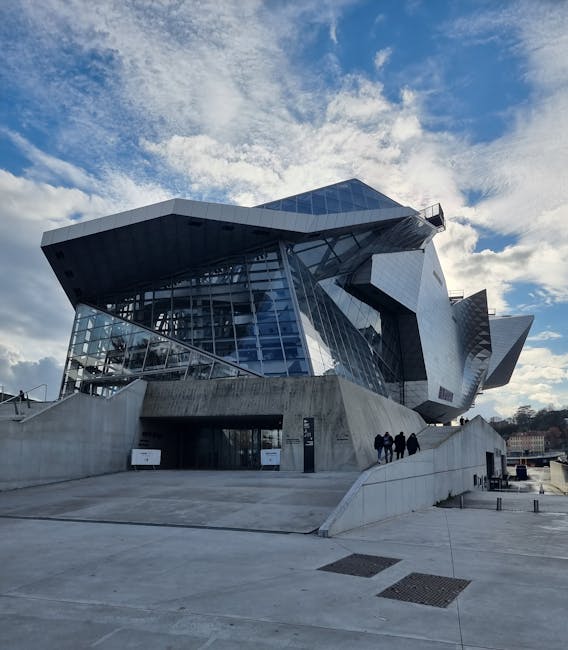
Next, the cost of conservation and visitor services plays a major role: collections require stringent preservation conditions (humidity and light control, security) and qualified staff (curators, restorers, front‑of‑house personnel). Large museums like the Musée des Confluences (86 Quai Perrache) also present scientific and naturalist exhibits with multimedia installations that demand ongoing maintenance — that helps explain an admission price in the region of €9–11 for full access. Finally, programming temporary exhibitions and investing in architecture — new builds or renovations — are expensive. These are all reasons why some entrances are ticketed.
Funding, legal status and pricing policy of Lyon museums
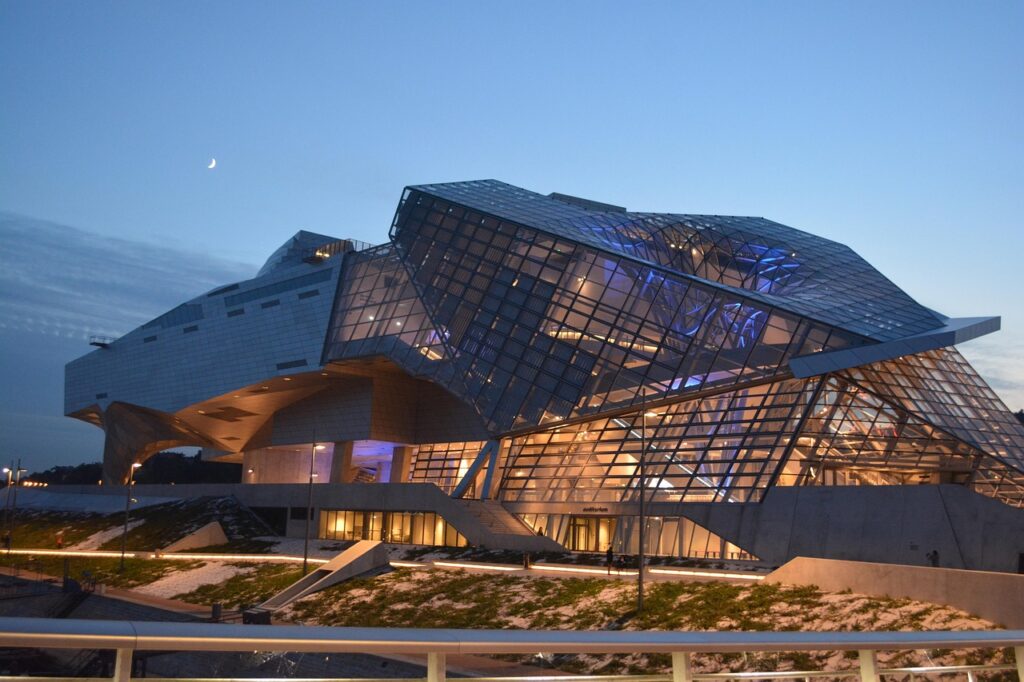
To understand why some Lyon museums require a ticket, start by looking at their status. In France there are three main categories: national museums (attached to the Ministry of Culture), territorial museums (municipal or metropolitan), and private or associative museums. The Musée des Confluences (86 Quai Perrache, 69002 Lyon) is a local public establishment with a scientific and cultural remit; its management relies on its own revenues (ticketing, shop, events) to offset costs. In practice its pricing varies: full price around €11, reduced price €8, free entry for under 18s and beneficiaries of certain schemes. Typical opening hours: Tuesday to Sunday 10:00–18:00, closed Monday. Those hours match optimal visiting periods and the staffing required for security and mediation.
By contrast, some exhibition spaces that are closely integrated into municipal cultural policy may offer free access to permanent collections. The City of Lyon may subsidize heritage sites that, for reasons of public access and education, remain ticket‑free. That flexibility supports local attendance but requires budget compensation: municipal subsidies, corporate sponsorship, or inclusion in social programs. The Musée Gadagne — Museum of Lyon History and the World Puppet Museum (2 Place du Petit Collège, 69005 Lyon) follows a mixed policy: the full visit is ticketed (full price often around €8–9), but there are occasional free days (first Sunday of the month, young people, jobseekers) and reduced fares for students and seniors. Opening hours: Tuesday to Sunday 10:00–18:00, closed Monday.
Conservation costs, architecture and temporary exhibitions: why ticketing is necessary
A museum is more than an exhibition space — it’s a technical infrastructure. Museum objects — old paintings, sculptures, ethnographic items — require strict conditions: controlled temperature and humidity, video surveillance, conservation labs, and high insurance. Those things are costly. The Musée des Beaux‑Arts de Lyon (20 Place des Terreaux, 69001 Lyon) houses major collections (European painting, decorative arts, Egyptian antiquities). To ensure conservation and to host international temporary exhibitions, it covers part of its operations through ticket sales: adult price roughly €10–12, reduced €7, free for under 18s and some other groups. Opening hours: Tuesday to Sunday 10:00–18:00, late openings some evenings.
The cost of constructing or renovating a building can also justify an admission fee. The Musée des Confluences is a prime example: a contemporary building designed by Coop Himmelb(l)au, with a high construction cost and ambitious museographic spaces. Ticket revenue helps fund maintenance of that volume and the multimedia systems inside. Likewise, temporary exhibitions involve international loans, insurance and specialized transport — expenses covered directly by ticket sales, patrons and partners. Finally, educational services, workshops, mediation programs, shops and cafés enrich the offer but also add fixed costs.
Free entry, local schemes and tips for visiting Lyon on a budget
Free access exists in Lyon too, but it’s often regulated. Several museums offer free days (first Sunday of the month in some institutions), ticket‑free hours for permanent collections, or free admission for specific groups (under 18s, teachers, disability card holders). For example, the Gallo‑Roman Museum of Lyon‑Fourvière (Lugdunum) (17 Rue Cléberg, 69005 Lyon) has tiered pricing: full price about €6, reduced €4, free for under‑18s; it’s open every day except Tuesday, 10:00–18:00. Municipal institutions may also offer free admission to residents who present proof of address — always check official websites before planning your visit.
Practical tips: the Lyon City Card often includes entry to several paid museums and unlimited public transport for a single day rate — it pays off if you plan to visit multiple paid sites in one day. Annual memberships and museum cards are a good deal if you live in Lyon or stay long‑term: they grant unlimited access, invites to previews and shop discounts. To save money on the spot: book online (sometimes cheaper), avoid peak hours, choose guided group tours, and take advantage of free slots (first Sunday). Here are some handy addresses:
- Musée des Beaux‑Arts de Lyon — 20 Place des Terreaux, 69001 Lyon — Full price ≈ €10–12, opening hours: Tuesday–Sunday 10:00–18:00.
- Musée des Confluences — 86 Quai Perrache, 69002 Lyon — Full price ≈ €11, opening hours: Tuesday–Sunday 10:00–18:00.
- Musée Gadagne — 2 Place du Petit Collège, 69005 Lyon — Full price ≈ €8–9, opening hours: Tuesday–Sunday 10:00–18:00.
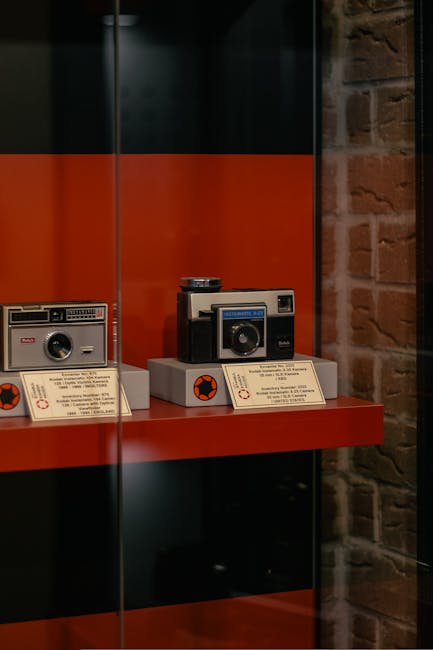
- Musée Lumière — 25 Rue du Premier‑Film, 69008 Lyon — Full price ≈ €6–8, opening hours: open daily except Monday 10:00–18:00.
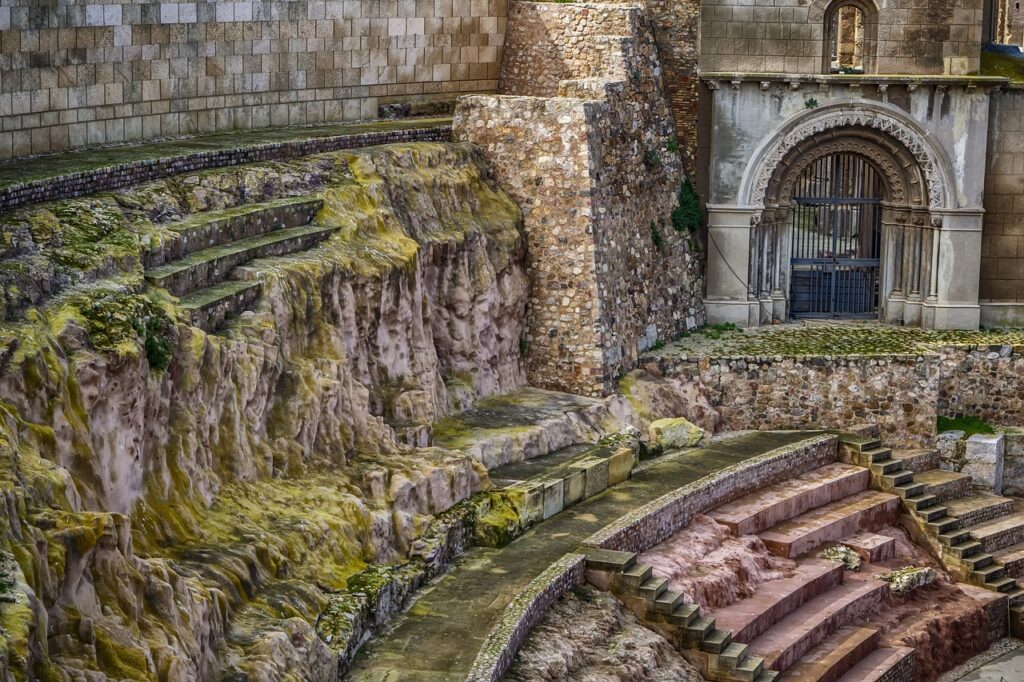
- Gallo‑Roman Museum (Lugdunum) — 17 Rue Cléberg, 69005 Lyon — Full price ≈ €6, opening hours: Wednesday–Sunday 10:00–18:00.
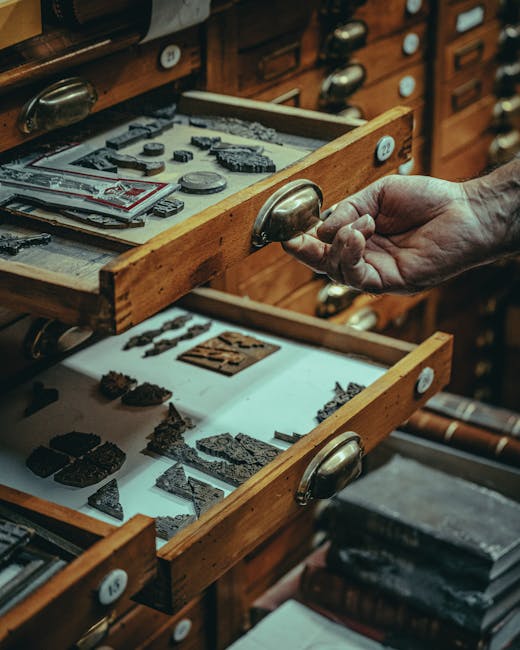
- Printing and Graphic Communication Museum — 13 Rue de la Poulaillerie, 69002 Lyon — Full price ≈ €6, opening hours: Tuesday–Saturday 10:00–18:00.
Conclusion — Balancing accessibility and sustainability
In Lyon, the variety of museums reflects different economic models and cultural goals. For some, free admission is a tool for public access and cultural inclusion, funded by local authorities or philanthropy. For others, ticketing is necessary to cover conservation, security, architectural upkeep and to support ambitious programming. Understanding that logic helps visitors appreciate the prices: buying a ticket also helps preserve heritage and sustain local cultural production.
Practical takeaway: if you plan to visit several paid museums in a short time, calculate whether a City Card, an annual pass or combined tickets makes financial sense. Always check museum websites for current free entry conditions (under 18s, teachers, jobseekers) and special days. Don’t overlook free or pay‑what‑you‑wish museums — they often offer original perspectives and high‑quality mediation and are an essential part of Lyon’s cultural life. By planning your route (hours, public transport, lunch breaks in the traboules of Vieux Lyon) you’ll optimize budget and time and fully enjoy the city’s rich museum scene.