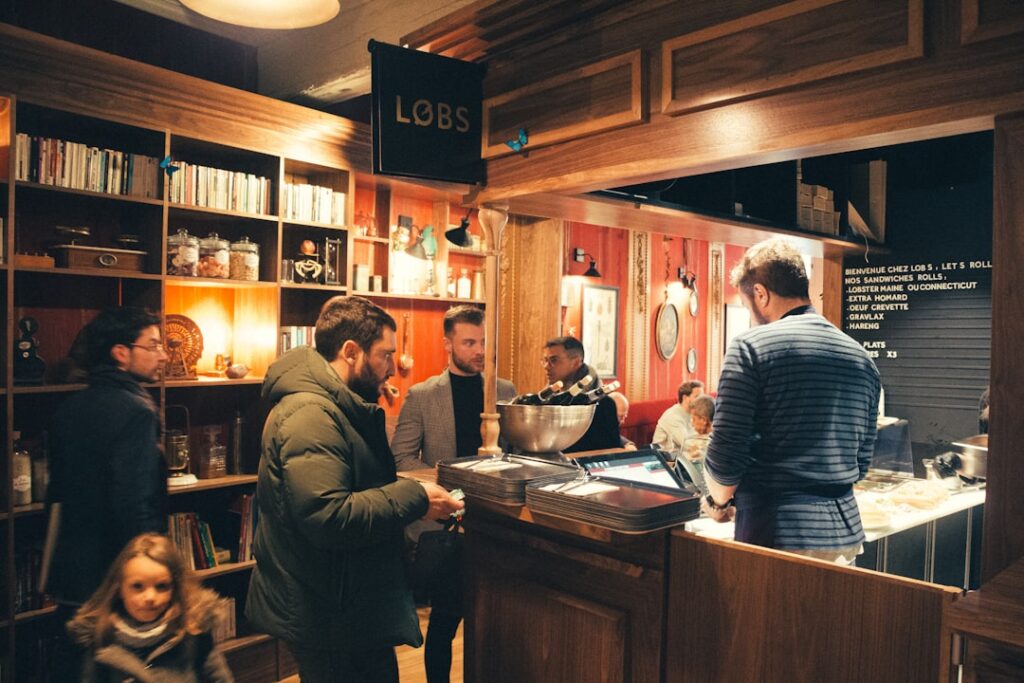






Introduction — When Industry Becomes Culture in Lyon
In Lyon, a city with millennia of history sitting at the crossroads of river routes and industrial trade, industrial history hasn’t been left to abandoned sites — it’s been reimagined, preserved and presented as living heritage. Across neighborhoods you’ll find silk factories turned into museums, print workshops reinvented as exhibition spaces, and former chemical plants repurposed as cultural centers. These places tell the story of how industry shaped the city and its society. This guide will introduce you to Lyon’s technical museums and heritage sites where industry becomes culture — not just through displayed objects, but via immersive scenography, live demonstrations, guided tours and educational programs that bridge past and present.
Lyon’s technical museums cover a wide range: silk, printing, cinema and photography, chemistry, mechanics and the automobile. Each institution speaks its own curatorial language: glass cases of rare objects, working machines, hands-on workshops, digitized archives, reconstructed ateliers and even conservation areas visible from public spaces. These sites help you understand industrial processes — spinning, weaving, engraving, printing, assembly — and grasp the social, economic and human dimensions of industrial labor. They also show how technical innovation shaped urban landscapes and contributed to Lyon’s identity.
Taking the time to visit these sites lets you appreciate the close link between technical memory and collective memory. Tour guides, mediators and sometimes former workers play a central role: they retell skilled gestures, explain technical terms and offer practical tips to get the most out of your visit. This guide gives you not only the must-see museums, addresses, opening hours and admission prices, but also immersive descriptions, suggested routes and local tips to make each visit memorable.
Whether you’re an engineering enthusiast, a fan of social history, a photographer hunting dramatic industrial motifs, or a curious traveler wanting to better understand the Lyon metropolitan area, this guide will help you plan a coherent, enriching itinerary. The sections below take deeper dives into a number of emblematic sites: Musée des Confluences for anthropology and science, the Musée de l’Imprimerie for graphic communication, La Maison des Canuts for silk, the Institut Lumière for the local film industry, and the Musée Henri Malartre for automobiles. Each section includes practical info, sensory descriptions and insider tips to turn a routine visit into an unforgettable experience.
Musée des Confluences — The Big Story of Technology and Science
Address: Musée des Confluences, 86 quai Perrache, 69002 Lyon.
Opening hours: open Tuesday to Sunday, 10:00–18:00 (closed Mondays except public holidays). Extended closures on certain public holidays — check the official website before you go.
Admission (indicative): adult €10.00; reduced €7.00; free for under 18s; family rates and seasonal passes available. Tickets can be purchased online on the museum website or on site (ticket desk and kiosks).
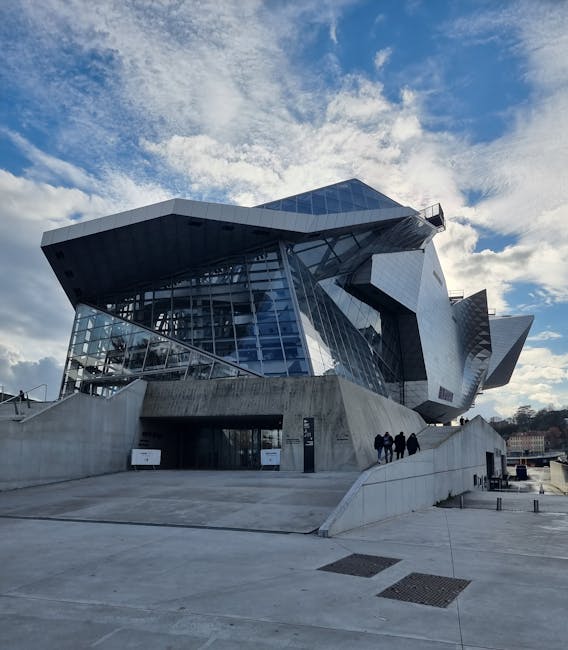
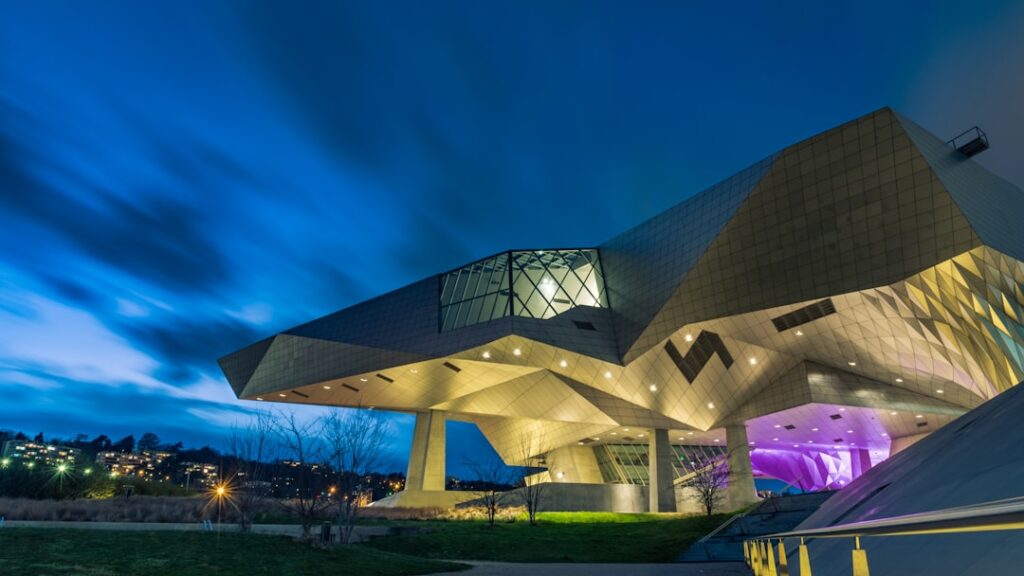
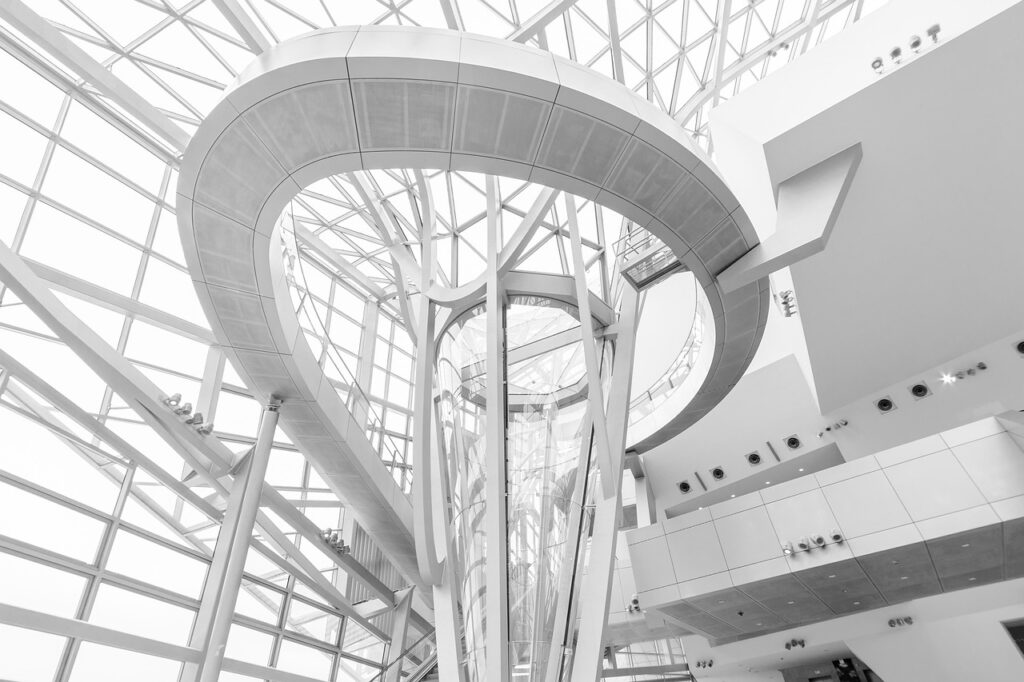
The Musée des Confluences is more than a technical museum: it’s a museological lab that examines the relationships between science, technology and society. Located at the southern tip of the Presqu’île, the futuristic building by Coop Himmelb(l)au is itself an engineering feat — steel framework, complex volumes and large glazed planes offering views over the confluence of the Rhône and the Saône. Inside, permanent exhibits intersect geology, biology, the humanities and technology: you’ll find vitrines of technical objects, mechanical machines, interactive displays and multimedia installations explaining industrial processes from metallurgy to mechanics.
Highlights for industrial heritage enthusiasts:
- Galleries on materials and energy: displays of raw materials, factory models and explanations of extraction and processing methods.
- Collections of technical objects: historical scientific instruments, prototypes, workshop tools and archival materials linked to Lyon’s industries.
- Temporary exhibitions: often focused on technical or industrial themes (mobility, robotics, circular economies) that complement the permanent collection.
Practical tips: allow 2–3 hours for a full visit. Walk the glass skywalks for photos of the architecture and the industrial river landscape. Audio guides are available in multiple languages and provide useful technical context to better understand the processes on display. The museum has a café and a bookstore specializing in science and technology — great if you want to extend your visit or pick up reference books.
Musée de l’Imprimerie et de la Communication graphique — The Craft and Matter of the Written Word
Address: Musée de l’Imprimerie et de la Communication graphique, 13 Rue de la Poulaillerie, 69002 Lyon.
Opening hours: open Tuesday to Sunday, 10:00–18:00; closed Mondays. Hours can sometimes be 10:00–17:30 in quieter seasons; check the official site.
Admission: full price around €7.00; reduced €5.00; free for under 18s. Group rates and paid guided tours available by reservation.
Located in the heart of the Presqu’île, the Musée de l’Imprimerie tells the story of text and image reproduction techniques, from traditional typography to modern processes. Lyon, with its long printing and publishing tradition (notably in the Ancien Régime and the 19th century), is a natural home for this museum. Inside you’ll find historical printing presses, type matrices, lead type, and rare books and posters. Rooms recreate printers’ workshops where you can observe the gestures of composition, press adjustment, inking and printing.
Immersive description:
- On entry, the scent of ink and old paper hits you; wooden shelves are lined with typographic molds and workshop tools.
- The section on photography and lithographic printing displays lithographic plates and rare proofs, explaining the links between graphic arts and the printing industry.
- Live demonstrations show a reconstructed Gutenberg press in action and let visitors handle type under the supervision of a mediator.
Local tip: take a guided tour to hear anecdotes about Lyon’s printers and to understand how technical advances lowered costs and changed public readership. The museum shop sells prints, posters and reproductions — excellent mementos. Some workshops offer beginner courses in typography and lettering; book in advance as spaces are limited.
La Maison des Canuts and Croix-Rousse — The Song of the Loom
Address: La Maison des Canuts, 10 Rue d’Ivry, 69004 Lyon (Croix-Rousse neighborhood).
Opening hours: open Tuesday to Sunday, generally 10:00–18:00; closed Mondays. Some activities have variable hours — check the site for live weaving demonstrations.
Admission: full price ≈ €6.00; reduced ≈ €4.00; free for children under 12 depending on temporary exhibits. Guided tours and paid workshops are extra (e.g. introductory weaving sessions €15–25 depending on length).
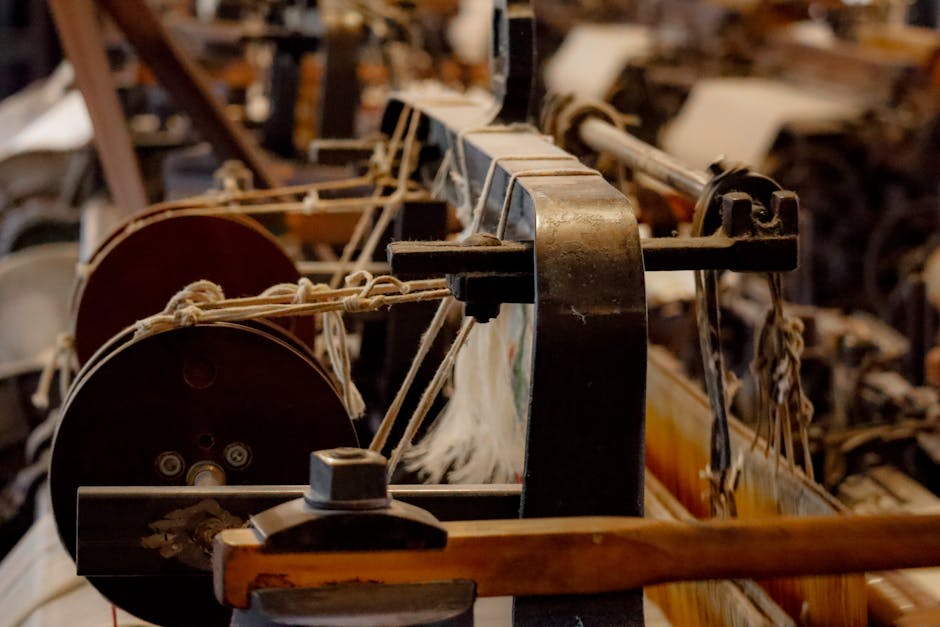
The Croix-Rousse is the historic district of the canuts, the silk-weaving workers who shaped Lyon’s economy in the 18th and 19th centuries. La Maison des Canuts is a living memory site: Jacquard looms are often running, and explanations of silk production — from the reel to the finished fabric — are detailed and accessible. You’ll learn the workings of the Jacquard loom, the programming of punched cards (a predecessor of machine languages), and the social issues tied to the canuts’ uprisings and working conditions.
Immersive description:
- You walk through workshops where the rhythm of the looms creates a unique soundscape — the clack of shuttles, the rustle of threads, the subtle perfume of fresh fabric.
- Interpretive panels explain technical specifics: weaves, warp and weft, yarn fineness, and how the Jacquard punched card system influenced early computing.
- Guides, often from the textile field or local historians, recount social struggles and technical innovations that helped Lyon carve out a place in the international silk market.
Tip: combine the visit with a stroll through the slopes of Croix-Rousse to spot former workshops turned into apartments or artist studios. The local market and small fabric shops are great spots to pick up an authentic textile souvenir. Aim to arrive mid-morning to catch a live weaving demonstration — that’s when looms are most often activated for visitors.
Institut Lumière and Industrial Cinema — From Reel to Studio
Address: Institut Lumière, 25 Rue du Premier Film, 69008 Lyon (the former Lumière family home, Monplaisir district).
Opening hours: open every day, generally 10:00–18:30; evening cinema programming varies by screening (check the schedule). The Lumière family villa may offer guided tours at set times.
Admission: museum and Lumière house full price ≈ €8.00–10.00; cinema ticket prices vary by screening (reduced rates for students and seniors). Guided tours and special screenings available by reservation.
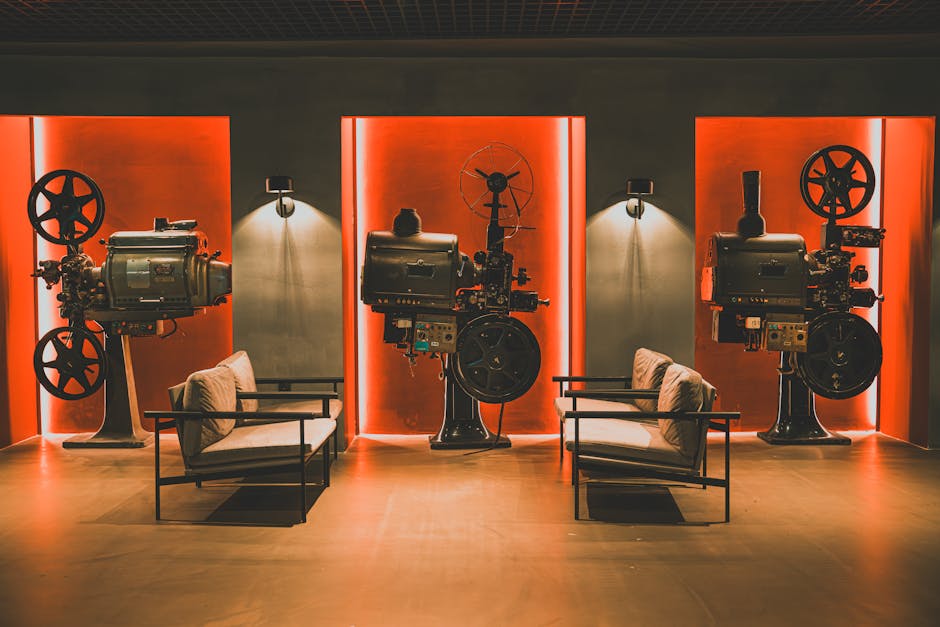
Lyon is the birthplace of cinema: in 1895 Auguste and Louis Lumière screened their first public films here. The Institut Lumière, housed in the family home and dedicated screening venues, is both a museum and a film restoration and exhibition center. Conservation spaces, restoration labs, archives and screening rooms sit alongside exhibits on early optical machines, projectors, film reels and the chemical processes of development.
Immersive description:
- A tour of the Lumière house recreates the domestic atmosphere of the turn of the century, with period technical objects and recreations of a photographic lab workshop.
- Behind the scenes at the Institut you can see historic projection machines, big photographic enlargers and pioneering cameras, with explanations of their physical and chemical principles.
- Screenings showcase the quality of restored archives, and themed cycles (industrial cinema, scientific films, technical documentaries) explore how moving images served technology and industry.
Tips: attend a 35 mm screening if one is on the program — the experience of film projection is unmatched. The Institut shop sells poster reproductions, books on cinema history and photographic prints. For enthusiasts, contact the archives department to learn about open days in the restoration lab, which are sometimes open to the public.
Musée Henri Malartre — Mechanics, Coachwork and Automotive Elegance
Address: Musée Henri Malartre, 10 Rue Henri Malartre, 69270 Rochetaillée-sur-Saône (about fifteen kilometres north of Lyon, reachable by car or bus).
Opening hours: mainly open on weekends and during the tourist season (April to October); hours vary — generally 14:00–18:00 on Sundays; confirm before traveling.
Admission: full price ≈ €8.00–10.00; reduced ≈ €6.00; free for children under certain conditions. Group and temporary exhibition rates may differ.
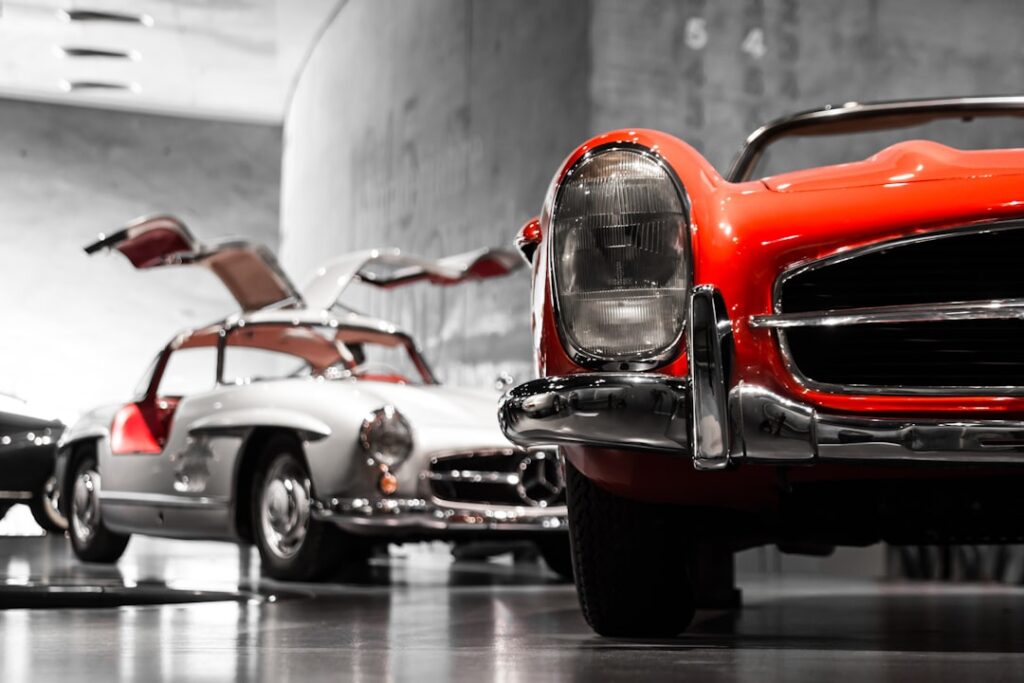
The Musée Henri Malartre is a comprehensive automobile collection housed in a former coaching inn and annex buildings: alongside vintage cars you’ll find workshop tools, machinery, bodywork workshops and spare parts that trace the evolution of automotive production and maintenance practices. More than a showcase of elegant bodies, it’s a technical museum celebrating mechanical know-how, finishing techniques and restoration skills.
Immersive description:
- Wander down aisles filled with cars, vintage motorcycles and utility vehicles; study technical details like ignition systems, gearboxes, axles and period suspensions.
- The coachwork section demonstrates metal shaping, painting and polishing techniques, often presented as workshop-style displays.
- Occasional demonstrations and restoration workshops let you observe adjustment, welding and finishing work on original parts.
Tips: pair the visit with a walk along the Saône for a more relaxed, less urban atmosphere. The museum is great for families and mechanical engineering buffs. Check opening days and special events (vintage car meet-ups) which add a festive vibe and the chance to chat with collectors.
Routes and Practical Tips for a Themed Visit
To make the most of Lyon’s technical museums, here are suggested routes and local tips to help you organize your days according to your interests and time constraints:
- A « Presqu’île and Confluence » day: start at the Musée de l’Imprimerie (13 Rue de la Poulaillerie) in the morning — allow 1.5–2 hours — then head to the Musée des Confluences (86 quai Perrache) for the afternoon (plan 2–3 hours). Lunch options include Vieux Lyon or the restaurants and food stalls around Halles de Lyon Paul Bocuse.
- Cross-Rousse and textile weekend: book La Maison des Canuts (10 Rue d’Ivry) and a walk through the Croix-Rousse slopes for a half-day, with cafés and small fabric shops to round out the experience. Perfect for textile design fans.
- Industry and image itinerary: Institut Lumière in the morning for the house-museum and a screening, then explore Monplaisir. In the afternoon, visit a contemporary photography studio to keep exploring technical image processes.
- Mechanical excursion: combine Musée Henri Malartre with visits to local restoration workshops or repurposed industrial sites, especially in the northern suburbs of the metropolis.
Common practical advice:
- Wear comfortable shoes: technical museums often have large spaces and mezzanines to cover.
- Buy tickets online when possible to avoid queues, especially at the Musée des Confluences.
- Look into educational programs and workshops: many of these institutions offer live demonstrations (printing presses, looms, film projection) that are key moments to understand technical gestures.
- Photographers: check photography rules — flash is often prohibited, but non-flash photography is usually allowed for private use in most museums.
- Use public transport: trams T1/T2 serve the Presqu’île and Confluence, metro line C serves Croix-Rousse and Monplaisir for the Institut Lumière. Musée Henri Malartre is easier to reach by car.
Conclusion — Industrial Heritage: A Living Resource for the Future
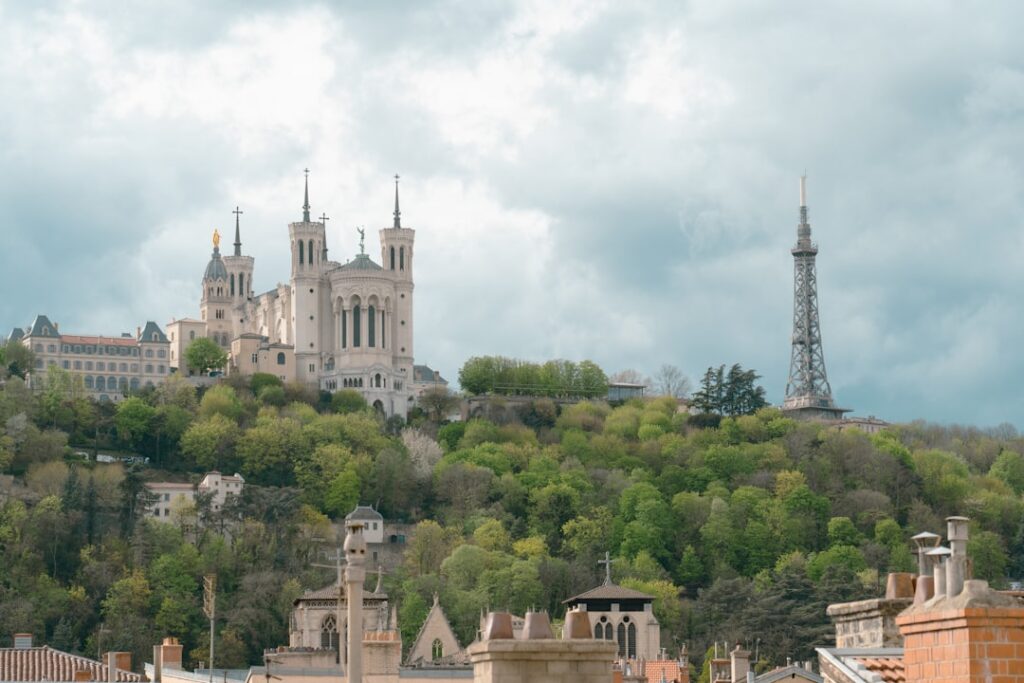
The conversion of industrial sites into cultural spaces in Lyon shows how a metropolis can valorize its past while creating dynamic cultural and educational resources. Technical museums — Musée des Confluences, Musée de l’Imprimerie, La Maison des Canuts, Institut Lumière, Musée Henri Malartre and other specialized venues — do more than preserve objects: they tell stories, pass on skills and offer immersive experiences that reconnect visitors with the technical processes and social realities that shaped the region.
Visiting these places helps you understand how technology shapes thought, how innovations drove social change and how conserving technical heritage can inspire more sustainable industrial models. For families, students, professionals and curious tourists, these museums provide tailored routes, hands-on workshops and documentary resources to deepen understanding of trades and technologies.
Finally, the museum experience in Lyon is enhanced by the quality of the urban fabric: riverside walks, markets, restaurants and artisan shops extend the visit. Whether your interest is in silk, printing, cinema or mechanics, the city offers a complementary palette of experiences. Before you go, always confirm opening times and prices on official sites, book workshops and guided tours in advance for groups, and take your time to listen to the mediators’ stories — they often make the human connection between technique and memory. Lyon demonstrates that industry is far from a frozen past; it becomes a lever for living culture and education for present and future generations.