





Introduction — Tram vs Metro vs Bike in Lyon: practical and environmental stakes
Lyon is a city where mobility is tied to history, urban planning and innovation. Between the slopes of Vieux Lyon, the broad quays of the Presqu’île and the modern Confluence district, there are plenty of ways to get around: tram, metro and Vélo’v (the city’s bike‑share). This comparative guide, both practical and eco‑oriented, digs into these three transport options to help you choose based on everyday needs, environmental priorities and the joy of exploring the city.
The Lyon tram network (operated under the TCL brand by Keolis Lyon) serves many surface routes, radiating from hubs such as Gare de la Part‑Dieu (Place Charles Béraudier, 69003 Lyon) towards residential and business districts. The metro, meanwhile, dives deeper into the city, serving dense neighbourhoods like Guillotière, Bellecour and Fourvière. Finally, bikes — via the Vélo’v service — offer a flexible, healthy and often fastest option for short to medium trips. Each mode has a different ecological profile: energy consumption, emissions per passenger‑kilometre, and footprint tied to infrastructure and rolling stock. We’ll cover those figures and the practical side — fares, schedules, access points, safety, comfort — with precise addresses, typical timetables and local tips.
This guide is aimed at residents, passing tourists, professionals and local decision‑makers wanting a concrete comparison. You’ll find practical, day‑to‑day information: where to catch a tram or metro, how to use Vélo’v, how much trips cost, which routes to favour to save time and lower your carbon footprint. We’ll also include tips for rush hours, bike parking, electric bike charging and practical recommendations to avoid annoyances (breakdowns, temporary line changes, bad weather).
Note: fares and schedules in this guide were accurate at the time of writing but may change according to decisions by local authorities (TCL, Métropole de Lyon) and seasonal adjustments. We point to official sources when relevant and give alternatives to double‑check before you set off. At the end of the article you’ll find concrete advice to cut your carbon footprint while getting around Lyon, plus sample route comparisons between tram, metro and bike for common trips (Part‑Dieu ↔ Vieux Lyon, Part‑Dieu ↔ Confluence, Bellecour ↔ Parc de la Tête d’Or).
1) The tram in Lyon: overview, key stops, fares and environmental score
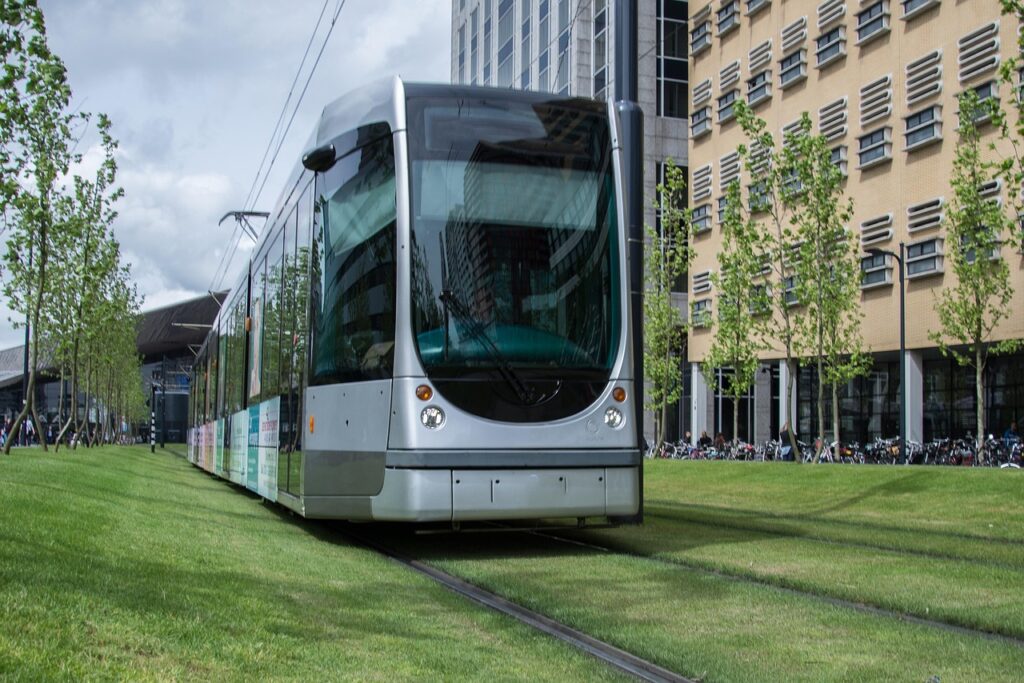
Lyon’s tram network consists of several lines (T1, T2, T3, T4, T5, T6 depending on extensions and TCL naming). The busiest lines serve major nodes: Gare de la Part‑Dieu (Place Charles Béraudier, 69003 Lyon), Place Bellecour (Place Bellecour, 69002 Lyon for bus and bike connections), and the Confluence area (86 quai Perrache, 69002 Lyon for access to the Musée des Confluences). The tram is an excellent choice for surface trips of 2–12 km: it combines high frequency, large capacity and comfort (flat floor, accessible for reduced mobility users).
Key addresses and stops:
- Gare de la Part‑Dieu – Place Charles Béraudier, 69003 Lyon (tram stop depending on line, and T1/T3 stops nearby)
- Place Bellecour – Place Bellecour, 69002 Lyon (bus stops and tram connections close by)
- Musée des Confluences – 86 quai Perrache, 69002 Lyon (tram/bus stops on the Presqu’île)
- Hôtel de Ville – Place de la Comédie, with notable nearby bus/tram stops, 69001 Lyon
Hours and frequency: On weekdays most tram lines run roughly from 5:30am to 12:30am. During peak hours (07:00–09:30 and 16:30–19:00) headways can drop to 4–8 minutes on the busiest sections. Off‑peak frequencies range from 8 to 20 minutes depending on line and time. Night and Sunday/holiday services are reduced: expect night buses or taxis if you travel very late.
Fares (TCL): a single ticket (TCL t+) is typically €1.90 (one trip, valid for 1 hour with transfers between tram/metro/bus in the direction of travel). A 24‑hour pass (Passe 24h, single zone) is around €6.10 for standard fares; monthly and annual subscriptions offer significant savings for regular users (e.g. monthly passes between €35 and €65 depending on options and discounts). These fares may be updated — check the official TCL website (www.tcl.fr) or station ticket machines.
Environmental score: the tram is one of the most efficient urban modes per passenger‑kilometre. On average a tram emits very little CO2 per passenger when electricity comes from a relatively decarbonised national mix. Direct emissions are often estimated around 0.01–0.03 kg CO2/km per passenger depending on load factor. The main environmental cost is infrastructure (tracks, electrification) but this is amortised over decades. For inter‑neighbourhood trips of 3–10 km, the tram offers an excellent energy/speed/comfort ratio.
2) The metro in Lyon: underground speed, maps, access and emissions
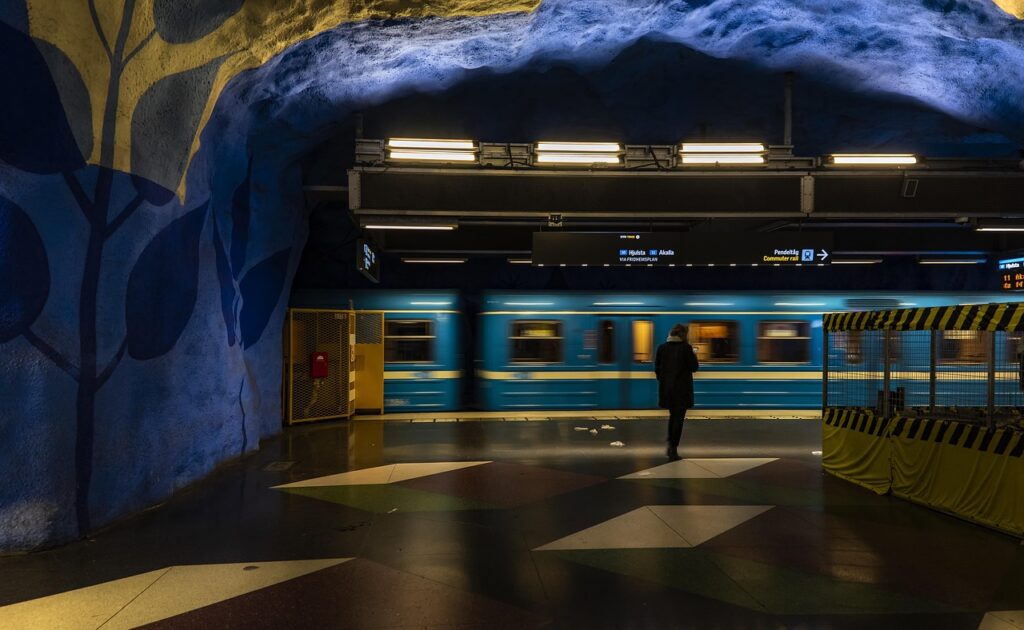
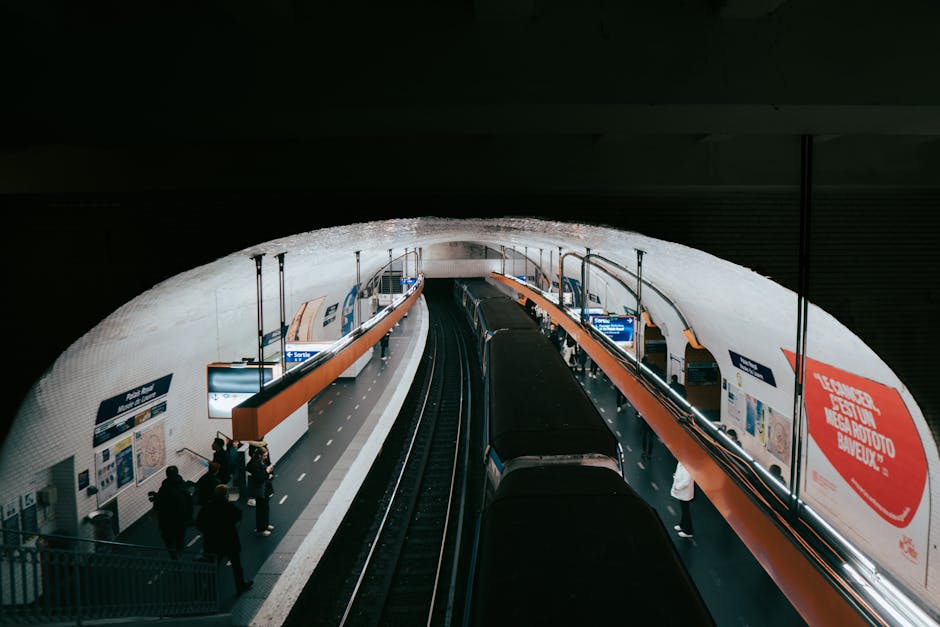
The Lyon metro comprises several lines (A, B, C, D) that cover major axes, serving the centre, universities and dense parts of the metropolitan area. Key stations include: Part‑Dieu – Gare SNCF (Place Charles Béraudier, 69003 Lyon), Bellecour (Place Bellecour, 69002 Lyon), Hôtel de Ville – Louis Pradel (Place de la Comédie, 69001 Lyon near the Opera), and Vieux Lyon – Cathédrale Saint‑Jean (Rue Saint‑Jean, 69005 Lyon close to pedestrian areas).
Hours: On weekdays the metro typically runs from 5:00am to 12:30am with shorter intervals during peak times. Line D, for example, offers very dense frequencies during the day (down to 2–3 minutes on busy stretches). The metro is the quickest way to cover distance without surface traffic, particularly between Part‑Dieu and Perrache, or Bellecour and Charpennes.
Fares: the same TCL single ticket (€1.90) grants access to metro/tram/bus within zone 1 for one hour. Monthly/annual passes and local travel cards are available for regular users (including discounts for students and professionals). For occasional trips the single ticket is simplest. Remember to validate your ticket when entering stations — spot checks occur and failure to validate can lead to fines.
Environmental score: the metro, like the tram, is fully electric. Compared with the tram, metro operations can be more energy‑intensive in tunnels (ventilation, lighting) but that is offset by higher commercial speeds and strong load factors. CO2 emissions per passenger‑kilometre typically vary around 0.01–0.04 kg CO2/km depending on occupancy and the energy mix. Practically speaking, for trips over 5 km through dense areas, the metro is usually the fastest and lowest‑emission option.
3) Biking (Vélo’v) in Lyon: flexibility, stations, fares and real footprint
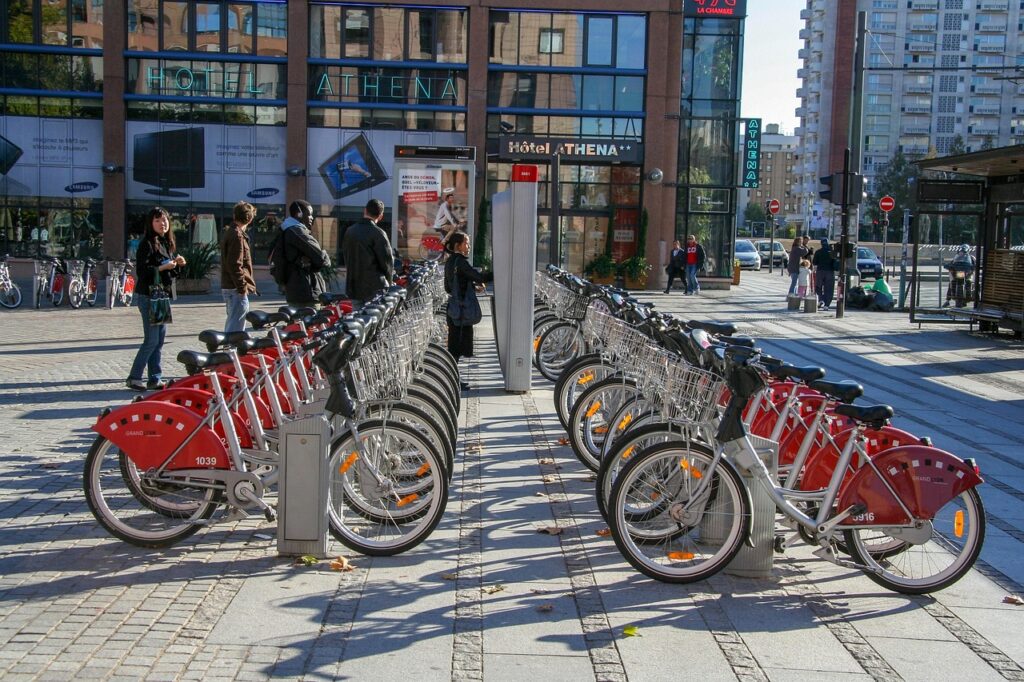
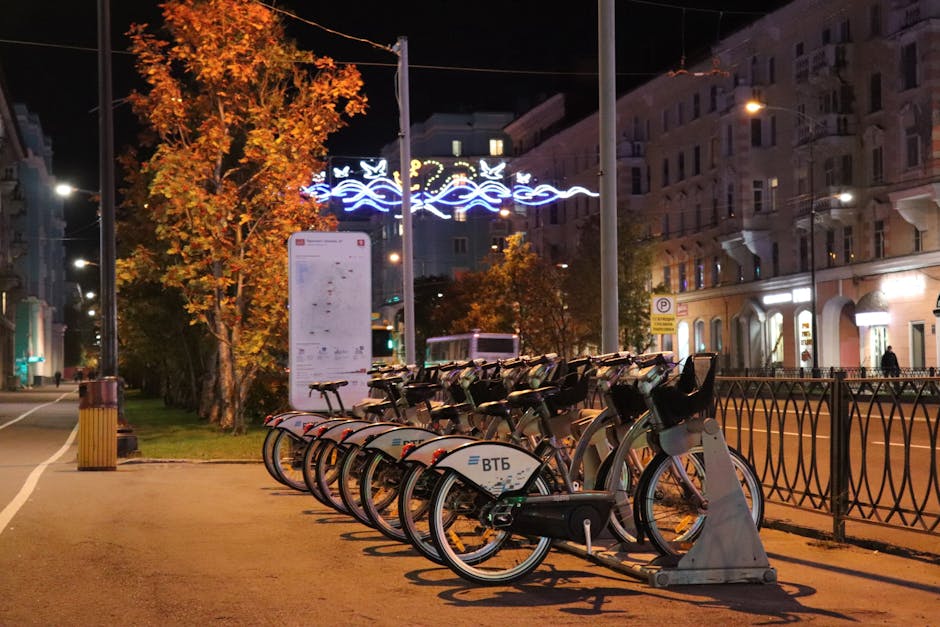
Cycling in Lyon is inseparable from Vélo’v, the bike‑share service run by the Métropole with various operators (historically JCDecaux and successors). The Vélo’v station network covers the Presqu’île, Croix‑Rousse, Vieux Lyon, Part‑Dieu and the riverbanks of the Saône and Rhône. Key stations:
- Vélo’v station Place Bellecour – Place Bellecour, 69002 Lyon (main, very busy)
- Vélo’v station Gare de la Part‑Dieu – Place Charles Béraudier, 69003 Lyon (close to platforms and business centres)
- Vélo’v station Parc de la Tête d’Or – main entrance, 69006 Lyon (access to promenades and the lake)
- Vélo’v station Musée des Confluences – 86 quai Perrache, 69002 Lyon (tourist access)
Hours: Vélo’v stations are accessible 24/7. Mechanical and electric bikes may be available depending on the fleet; electric bikes sometimes need charging and are scarcer at peak times. The official Vélo’v mobile app shows real‑time availability of bikes and free docks.
Fares and options: Vélo’v pricing usually offers several choices:
- Short‑term pricing (pay‑per‑ride): the first 30 minutes often free or included in a short pass, then incremental fees apply (e.g. €1 for 30–60 min, then €2+ for further hours) — amounts vary by season and promotions.
- Subscriptions: 1‑day, 7‑day or annual passes (e.g. annual subscriptions around €30–50 for unlimited access with short trips free up to 30 min; these figures are indicative and could change).
Without a subscription, half‑hour rental fees apply and long rides quickly become more expensive than tram/metro.
Environmental footprint: at first glance the bike is the most neutral option: zero direct emissions, health benefits and minimal energy use. Accounting for manufacturing and maintenance of bikes and stations, the footprint per trip remains very low — often below 0.005–0.02 kg CO2/km. Electric bikes raise that slightly due to battery production and electricity use, but remain highly competitive if the electricity is clean. For short urban trips (<5 km), cycling is frequently both the quickest and greenest choice.
Local tips: favour the dedicated cycleways along the Rhône (Quai Jules Courmont / Quai Claude Bernard) and the Saône, use secure bike parkings (e.g. Part‑Dieu bike parking) when possible, and avoid the steep streets of Vieux Lyon at peak times if you don’t have an e‑bike. Visitors: check availability on the Vélo’v app and carry a lock if you’re using a personal bike.
4) Practical comparisons and typical routes: time, cost and CO2
To visualise the strengths and limits of each mode, here are comparisons and typical routes frequently used by Lyon residents and visitors. Times are estimates under normal conditions (off‑peak); adjust for rush hour and works.
- Route A — Gare de la Part‑Dieu (Place Charles Béraudier, 69003 Lyon) ↔ Vieux Lyon (Cathédrale Saint‑Jean, Rue Saint‑Jean, 69005 Lyon)
- Tram + metro: tram to Part‑Dieu, metro B to Bellecour then walk or change to reach Vieux Lyon. Total time: 20–30 minutes. Cost: €1.90. Estimated CO2: 0.2–0.6 kg per person for the average trip (based on passenger‑km calculations).
- Metro direct possible via line B + walk: 15–25 minutes. Cost: €1.90. Estimated CO2: 0.15–0.5 kg.
- Bike / Vélo’v: 12–20 minutes depending on traffic and fitness. Cost: free if <30 min included in a subscription, otherwise €1–3 depending on duration. Estimated CO2: ≈0.01–0.05 kg (manufacturing amortised).
- Route B — Part‑Dieu (Place Charles Béraudier, 69003 Lyon) ↔ Confluence / Musée des Confluences (86 quai Perrache, 69002 Lyon)
- Tram direct (depending on line): 15–25 minutes. Cost: €1.90. Estimated CO2: 0.15–0.45 kg.
- Metro + walk: 20–30 minutes. Cost: €1.90. Estimated CO2: 0.2–0.6 kg.
- Bike: 10–18 minutes via the developed quays. Cost: usually the cheapest option for trips under 30 minutes. CO2: very low.
- Route C — Place Bellecour (Place Bellecour, 69002 Lyon) ↔ Parc de la Tête d’Or (69006 Lyon)
- Metro (line A or B with a bus/short walk connection): 15–25 minutes. Cost: €1.90. Estimated CO2: 0.15–0.5 kg.
- Bike: 8–15 minutes via cycleways and quays. Cost and CO2: very low, often the most pleasant option.
- Tram: possible with connections, 20–30 minutes — less direct than cycling.
Synthesis: for short trips (0–5 km) biking tends to be fastest and most eco‑friendly. For trips of 5–12 km with few changes, the tram is often the best compromise. For quick, longer cross‑city journeys within a dense network (e.g. Part‑Dieu ↔ Perrache ↔ Bellecour), the metro wins on speed and punctuality.

Conclusion — Choose by route, impact and daily needs
In Lyon there’s no single answer to « tram, metro or bike? »: the choice depends on the route, priorities (speed, cost, comfort, environmental impact) and the context (weather, time, accessibility). Generally speaking:
- For short city centre trips (under 5 km): go by bike (Vélo’v or your own bike) for speed, low cost and minimal carbon footprint. The Rhône and Saône quays offer pleasant and safe routes, especially between Place Bellecour (Place Bellecour, 69002 Lyon) and Parc de la Tête d’Or (69006 Lyon).
- For suburban‑to‑centre trips (5–12 km): the tram is often the best compromise — frequency, comfort and accessibility. Connections at Gare de la Part‑Dieu (Place Charles Béraudier, 69003 Lyon) are particularly convenient for business shuttle trips.
- To cross the city quickly or link major hubs: the metro is unbeatable for speed and reliability, especially at peak times.
Environmentally, all these modes beat private petrol cars. The bike, in particular, reduces local emissions and noise most effectively. Trams and metros, being electric, remain indispensable for moving large numbers of people with low average emissions per passenger‑kilometre. To cut your footprint further, combine modes: Vélo’v + tram/metro (bike parking at stations, Vélo’v docks near stops) to optimise time and comfort.
Practical reminders: check TCL schedules at www.tcl.fr or via the TCL app, consult real‑time bike availability on the official Vélo’v app (live maps), carry a valid ticket (€1.90 for a single ticket at the time of writing), and adapt routes to weather and works. For tourists: consider 24h/3‑day passes if you plan multiple trips (they often save money).
Ultimately, Lyon offers a complementary set of options. By favouring public and active transport you help make the city more breathable and pleasant to live in. Whether you live here or are visiting, try mixes (bike + tram, bike + metro) based on your regular journeys — you’ll save time, money and significantly reduce your environmental impact.