





Introduction
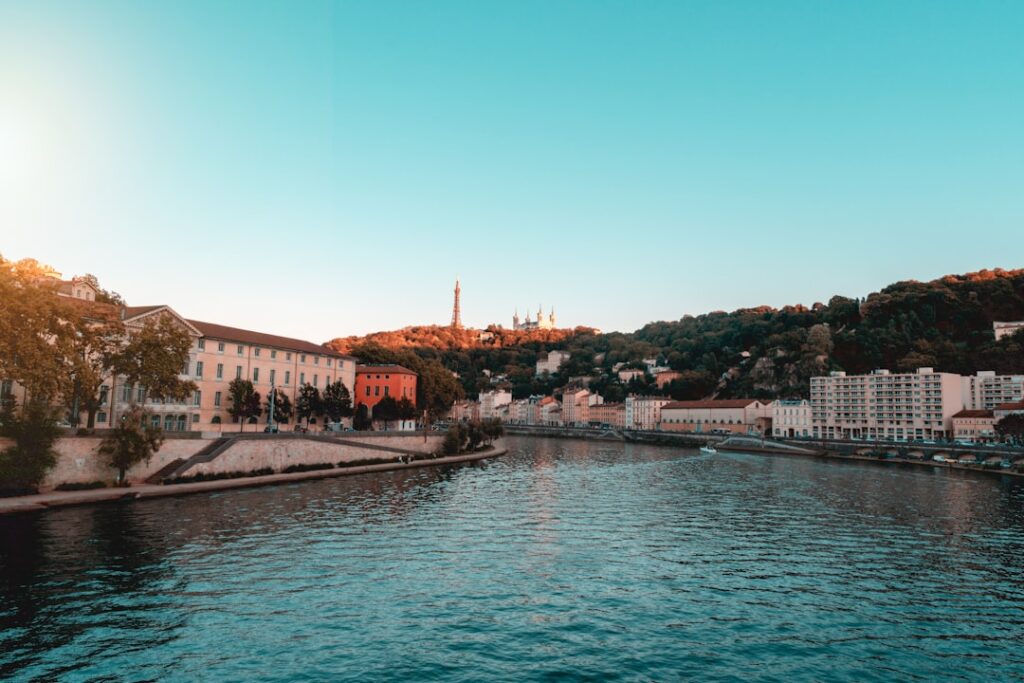
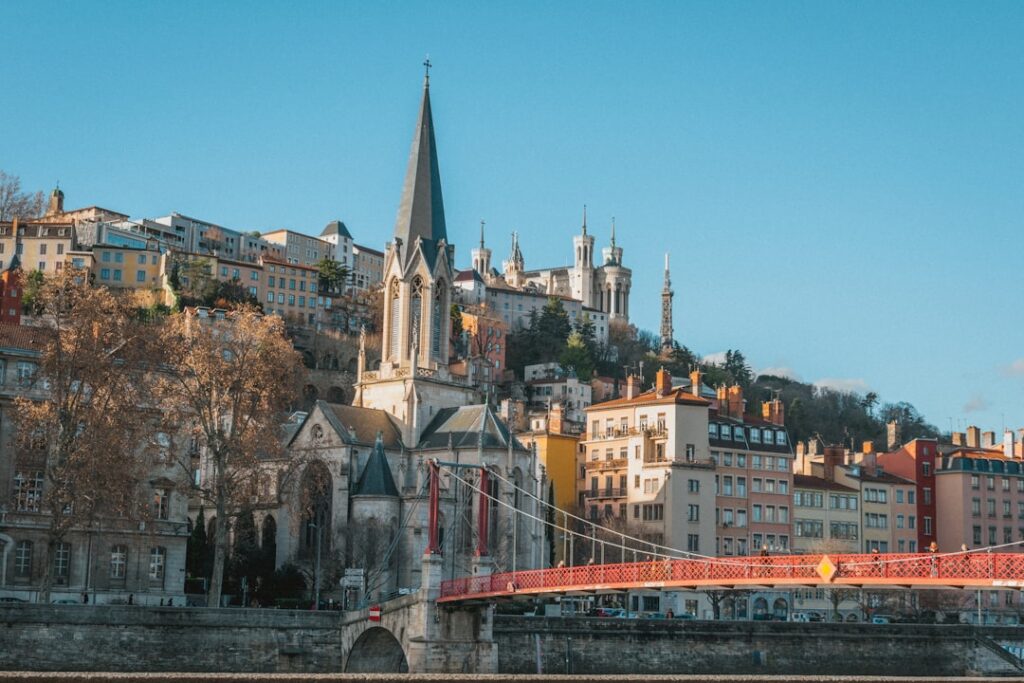
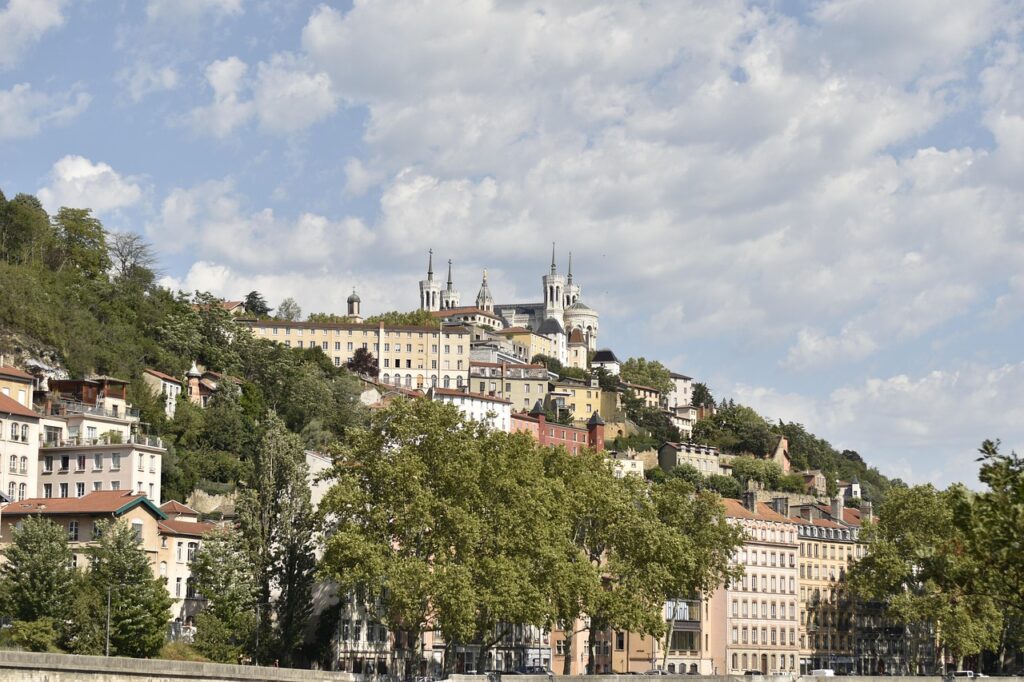
Discovering Lyon means experiencing a city of contrasts: the slopes of Fourvière hill and the basilica that watches over the city, the medieval alleys of Vieux Lyon, the bustling Presqu’île between the Rhône and the Saône, and the contemporary feel of the Confluence district. The way you move between these neighborhoods shapes how you’ll feel the city. Tram, metro or bike — each offers a different take on Lyon, from quick transfers for getting around to scenic rides that invite lingering.
This guide gives you a practical, full overview of how to explore Lyon: the TCL tram lines, the metro network (lines A, B, C, D), and the Vélo’v bike-share system. You’ll find exact addresses for points of interest, typical schedules to plan your days, up-to-date fares for budgeting, local tips to avoid common mistakes, suggested routes tailored to how intense you want your visit to be, plus safety and maintenance advice so you can enjoy every mode of transport with peace of mind.
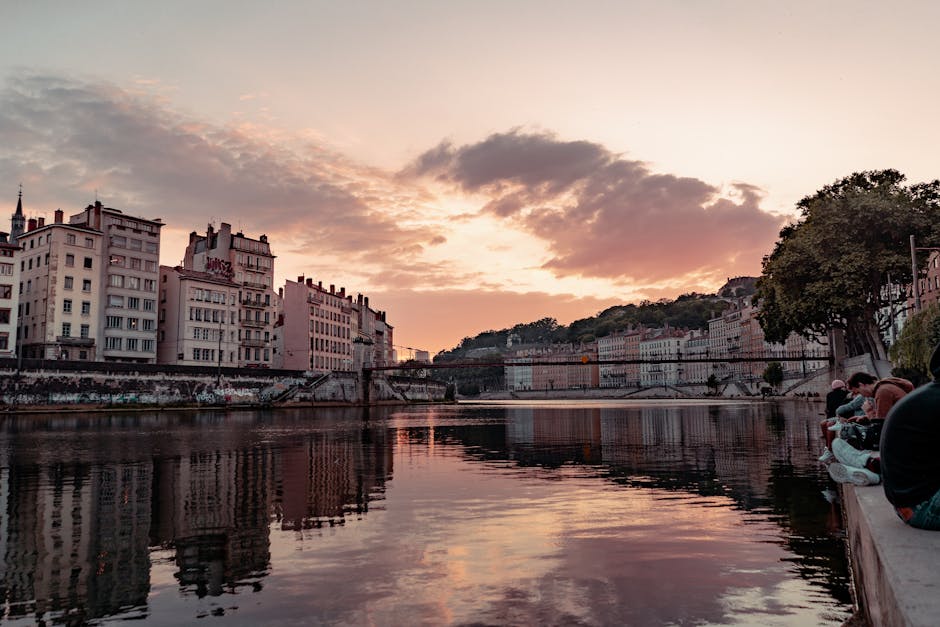
Beyond the practicalities, the goal is to help you get a feel for Lyon: how to soak up the city by taking the T1 tram at sunset along the riverbanks, how the speed of the metro changes your sense of distance, or how a bike opens up hidden lanes and viewpoints you wouldn’t reach otherwise. We’ll also cover ticketing (machines, the TCL app, validations), money-saving options (carnets, day passes), and alternatives for travelers with reduced mobility.
Finally, this guide is made for the curious traveler: it includes concrete route suggestions connecting iconic spots — for example Place Bellecour (Place Bellecour, 69002 Lyon) to the Basilica of Notre-Dame de Fourvière (8 Place de Fourvière, 69005 Lyon) — and explains which mix of tram/metro/bike to favor depending on the time of day, the weather, and whether you want speed, views, exercise or a relaxed stroll. Get ready to learn how to make the most of the TCL network and the bike-share system to experience Lyon like a local.
Tram in Lyon: lines, how it works and recommended routes
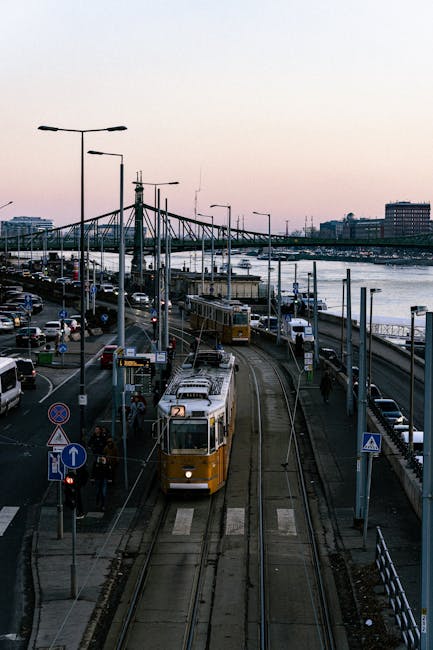
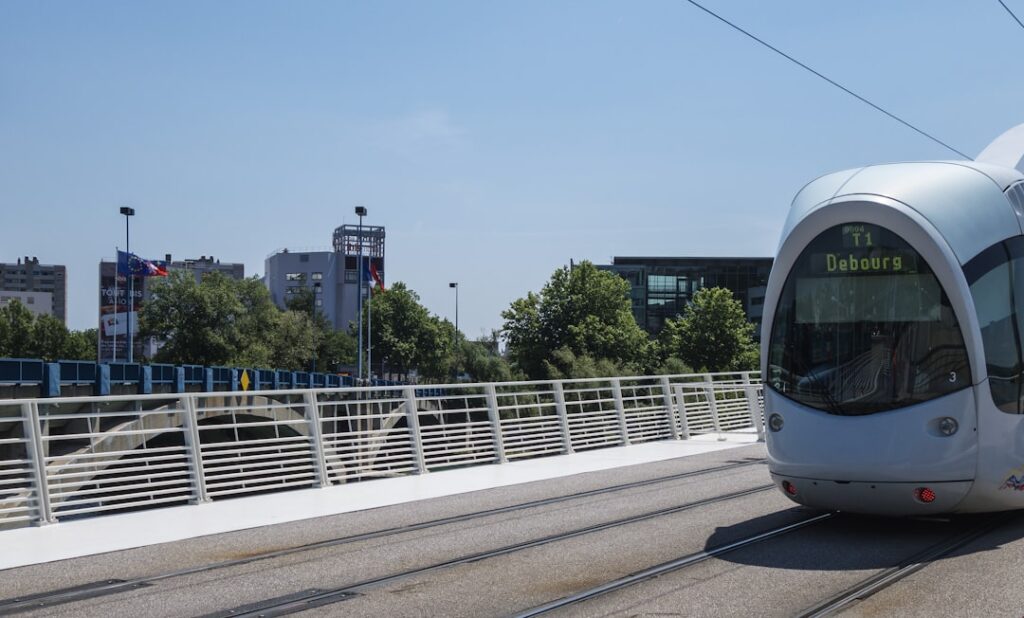
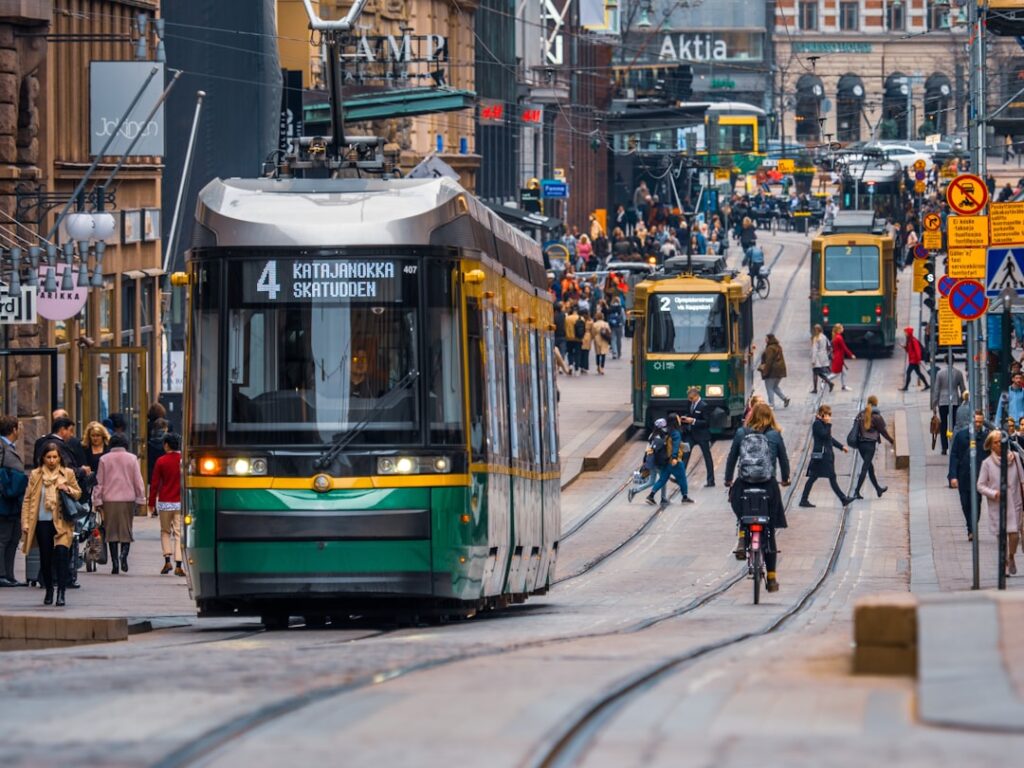
Lyon’s tram network, run by TCL, includes several lines (T1 to T7 depending on extensions). Trams mostly run at street level, offering pleasant and often scenic trips along the riverbanks and through residential and university areas. They’re particularly useful for connecting the Presqu’île, the Confluence district, and the east bank of the Rhône without dealing with car traffic.
Main lines and coverage
- T1: Debourg – IUT Feyssine. A key line for reaching the southwest of the Presqu’île and the university campuses.
- T2: Perrache – Charpennes (tramway/variable termini). Connects Perrache station to the east bank and serves shopping areas.
- T3: Part-Dieu Villette – Meyzieu Les Panettes. Ideal for accessing the Part-Dieu business district and the northeast zone.
- T4: La Doua – Grange Blanche. Crosses the city east–west linking hospitals and university centers.
- T5, T6, T7: peripheral lines and newer extensions connecting residential areas and transport hubs.
Key stops include Perrache (Place Carnot, 69002 Lyon), Part-Dieu (Square Bourse, 69003 Lyon), and Gare de Vaise (Rue du 8 Mai 1945, 69009 Lyon). Tram tracks are generally well integrated into the urban landscape and stops feature real-time information displays.
Hours and frequencies
On weekdays, peak frequencies on main lines (T1, T2, T3) can reach a tram every 5 to 10 minutes. During off-peak times waits are often between 10 and 20 minutes depending on the line. First departures typically start around 5:00–5:30 and the last services run between midnight and 1:00, with some lines extended to around 1:30 on Friday and Saturday nights. These schedules can change for events, works or festivals — check the TCL app or tcl.fr for live updates.
Fares and buying tickets
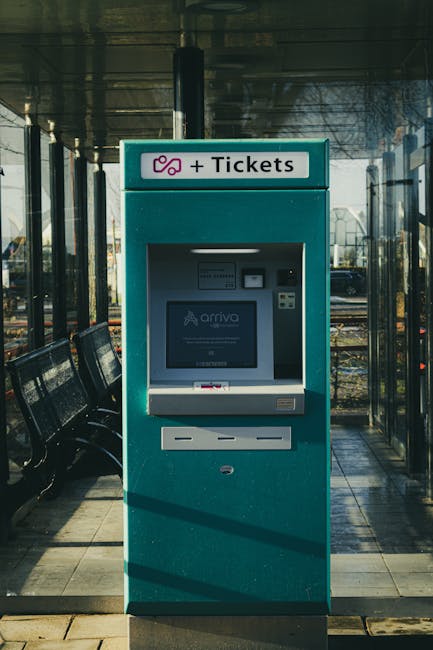
Usual TCL fares: single ticket (Ticket T+): €1.90 (valid for 1 hour including transfers), book of 10 tickets: €15.90, day ticket (24h): €6.80 (unlimited travel on the TCL network). For longer stays or frequent use there are weekly and monthly passes. Tickets are available from station machines, via the TCL app or at authorized outlets (newsagents and shops). Remember to validate your ticket in the validator before boarding the tram — fines for not validating are strict.
Suggested tram routes
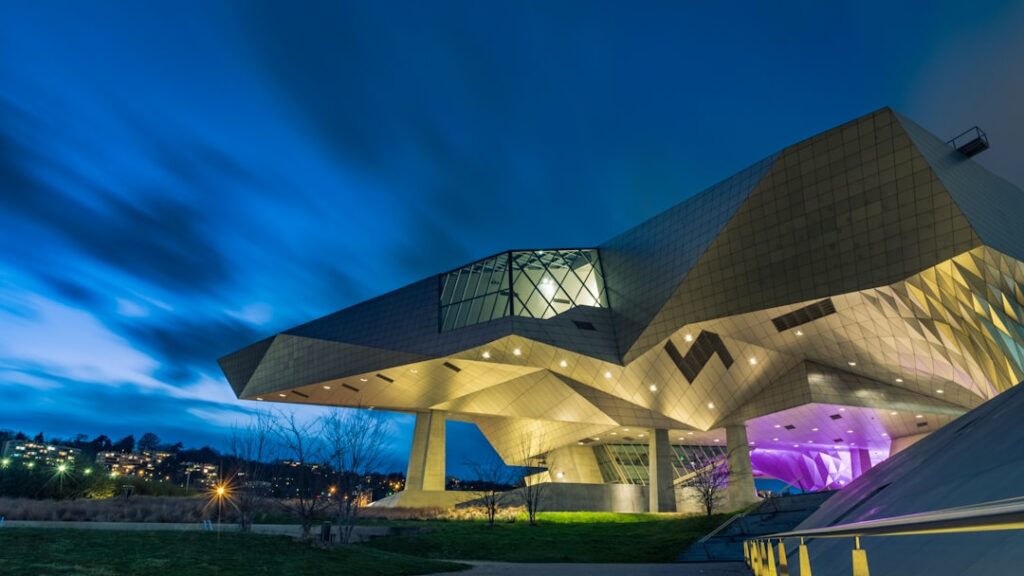
- From Part-Dieu (Part-Dieu, 69003 Lyon) to the Confluence (Confluence Museum, 86 Quai Perrache, 69002 Lyon): take T1/T3 with a transfer depending on the stop — great for combining shopping and a visit to the Musée des Confluences.
- From Perrache (Place Carnot, 69002 Lyon) to La Doua (Villeurbanne): T1 or T2 depending on the section; perfect for student commutes and campus access.
Local tip: for great photos, hop on the first carriage heading toward the Confluence for an unobstructed view of the quays at sunset. Avoid peak hours (8:00–9:30 and 17:00–19:00) if you prefer to travel seated or take crowd-free photos.
Metro: speed and connections to save time
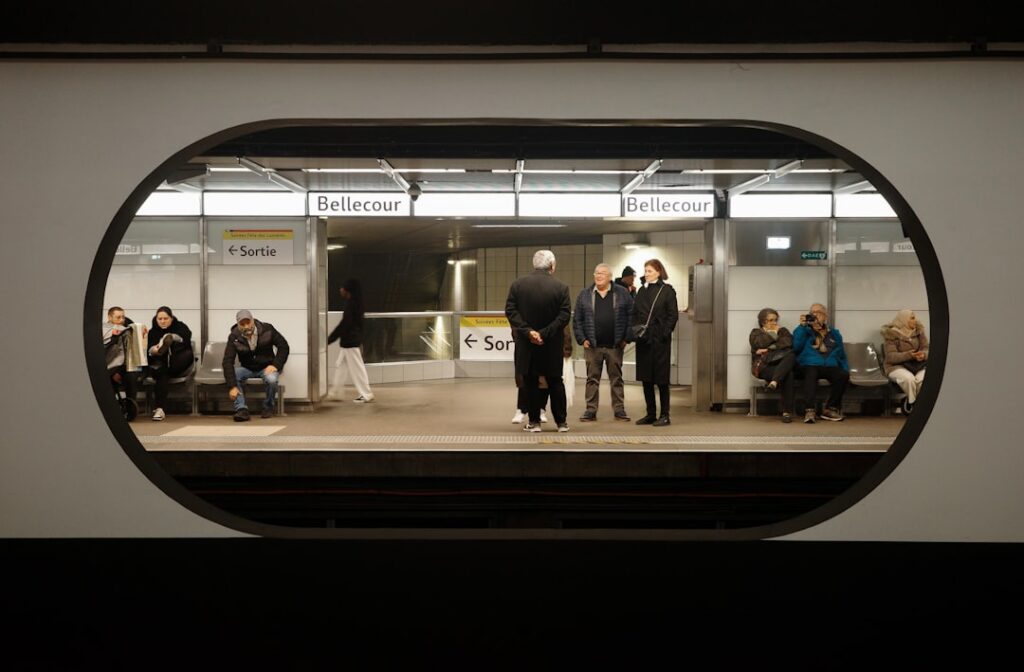
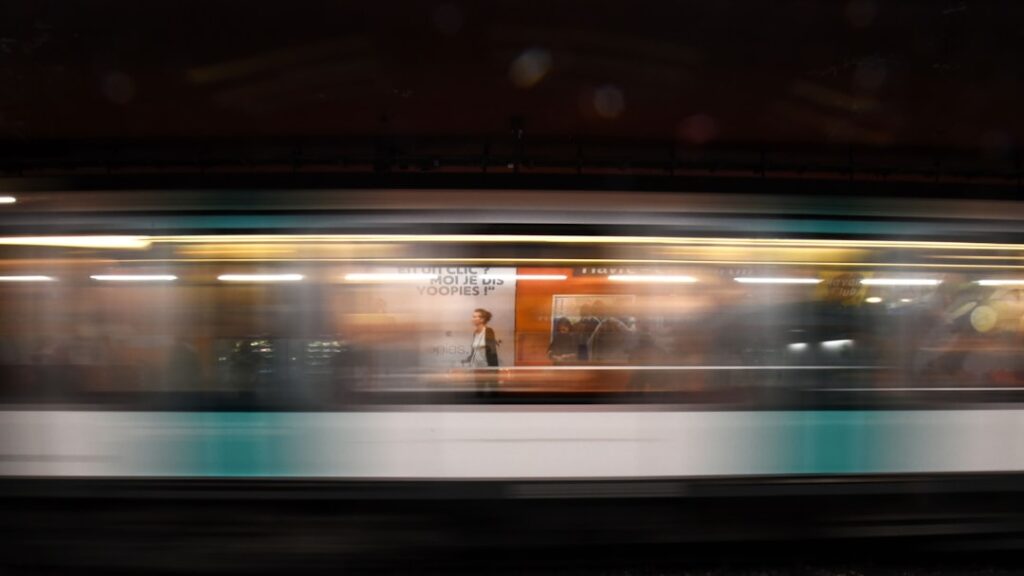
Lyon’s metro, made up of four lines (A, B, C, D), is the quickest way to cross the city and link major hubs: Part-Dieu station, Bellecour, Vieux Lyon and the Presqu’île. The metro is especially handy for travelers in a hurry or when the weather turns bad. Lines run from early morning until late at night, with high frequency during peak hours.
Practical info on the lines
- Line A (Perrache – Vaulx-en-Velin La Soie): serves Bellecour (Place Bellecour, 69002 Lyon) and connects to the Part-Dieu area via transfers.
- Line B (Charpennes – Stade de Gerland): crosses the Presqu’île and serves Charpennes/Part-Dieu.
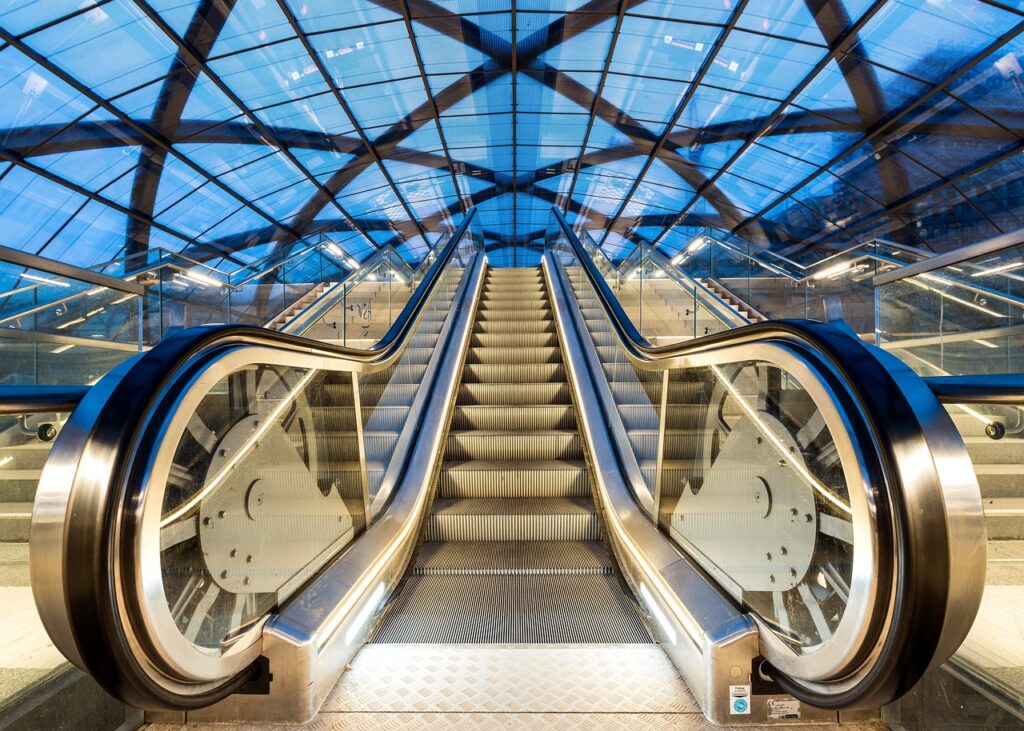
- Line C (Hôtel de Ville – Croix-Rousse): climbs the Croix-Rousse hill; stations are deep with long escalators.
- Line D (Gare de Vaise – Gare de Vénissieux): the longest line, running north–south with useful connections to reach Fourvière (via the funicular).
Hours, frequency and accessibility
Typical hours: roughly 5:00–0:30 on weekdays; frequencies of 2 to 6 minutes at peak times for lines A and B, and 5 to 10 minutes for C and D depending on the section. Metro hours can be extended for big events (Fête des Lumières, concerts, matches). Main stations are equipped with elevators or ramps for accessibility, but some older stations (notably on line C) still have long staircases — keep that in mind if you have luggage.
Fares and transfers
The same TCL tickets apply to the metro: single ticket €1.90, book of 10 tickets €15.90, day ticket €6.80. Transfers between metro, tram, bus and funicular are included if they occur within the ticket’s validity period (1 hour or according to the pass you bought). Use the TCL app for real-time planning — it shows optimal connections and wait times.
Practical tips for using the metro
– Prefer the metro to reach Part-Dieu (station and mall) from Vieux Lyon (take line A to Bellecour, then the funicular or walk).
– Watch out for temporary closures: during major events some stations may be closed temporarily or subject to security checks.
– For urban photography, get off at Hôtel de Ville – Louis Pradel (Place de la Comédie, 69001 Lyon) to capture the Haussmann-style architecture of the Presqu’île, or at Croix-Rousse (Boulevard de la Croix-Rousse, 69004 Lyon) for hill views and traboules (covered passageways).
Bike in Lyon: Vélo’v, bike lanes and two-wheel experiences
Cycling is probably the most intimate and flexible way to discover Lyon. Vélo’v, the city’s bike-share system launched years ago, offers bikes across the metropolitan area. Lyon’s cycling network has expanded significantly: greenways along the Rhône and the Saône, continuous bike lanes toward Parc de la Tête d’Or (Parc de la Tête d’Or, Place du Général Leclerc, 69006 Lyon), and specific infrastructure in residential neighborhoods.
Vélo’v fares and plans
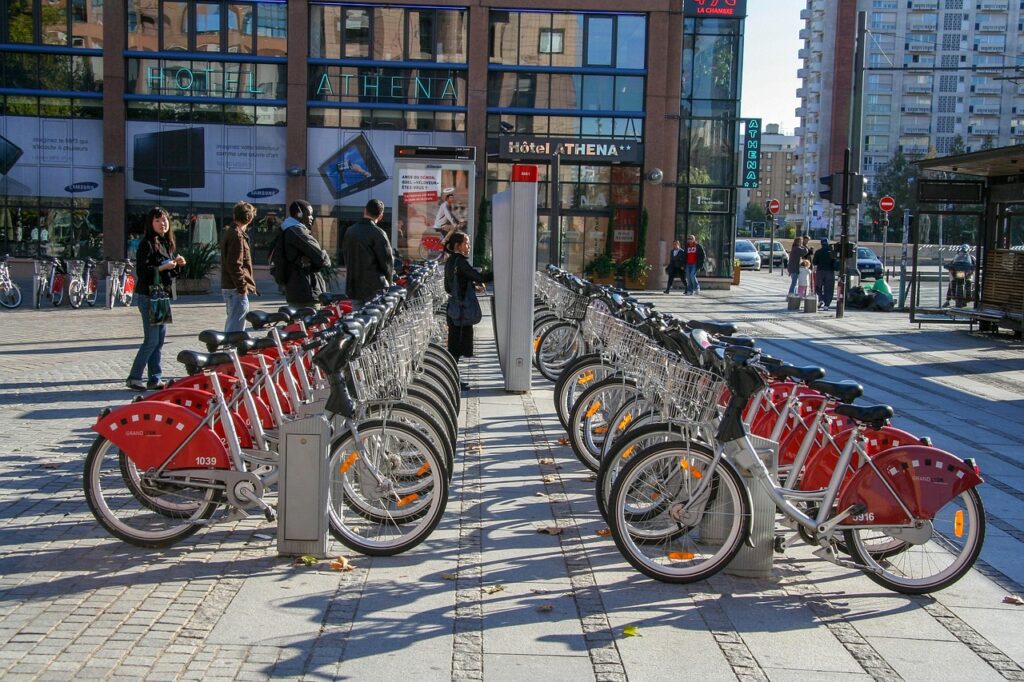
Vélo’v offers several plans: 24-hour pass: €5.10 (unlimited 30-minute rides; extra fees for longer trips), 7-day pass: €8.10, and annual subscriptions for residents. It’s simple to use: take a bike from one station and return it to another. The first 30 minutes are usually included with the pass; after that, progressive charges apply (e.g. €1.50 for the second 30-minute block — check current terms on velov.grandlyon.com). Bank cards and the Vélo’v app let you unlock bikes instantly.
Recommended bike routes
- The Rhône riverbanks: from Parc de la Tête d’Or (Place du Général Leclerc, 69006 Lyon) to Parc de Gerland (Rue Marcel Mérieux, 69007 Lyon) — a continuous path of about 10–12 km one way, perfect for a long, relaxed ride.
- Presqu’île and Vieux Lyon: start at Place Bellecour (Place Bellecour, 69002 Lyon), cross the Presqu’île and head down toward Vieux Lyon along the Saône quays; watch out for narrow pedestrian zones and traboules.
- Confluence: a modern route with bike lanes to the Musée des Confluences (86 Quai Perrache, 69002 Lyon), good for family outings and photo stops.
Safety tips: wearing a helmet is recommended (not mandatory), strictly obey traffic lights and cycling directions, use a bell to warn pedestrians, and quickly check brakes before each ride. Vélo’v bikes have a light basket and an integrated lock.
Local tips and tricks for cyclists
– Avoid the steep cobbled streets in Vieux Lyon if you’re on a bike with small wheels; prefer the quays for a smoother ride.
– If you plan to visit the Basilica of Notre-Dame de Fourvière (8 Place de Fourvière, 69005 Lyon), lock your bike at the bottom of the hill and walk up to enjoy the views (or take the funicular to save energy).
– In rainy weather, wear gloves and a waterproof jacket: Lyon’s weather can change quickly, especially in spring and autumn.
– Vélo’v stations are very dense around the Presqu’île, Part-Dieu and the big parks; use the app to find available bikes in real time.
Combining tram-metro-bike: themed routes and tips to optimize them
One of Lyon’s strengths is how well modes connect: tram, metro, bus, funicular and bike complement each other. Here are a few themed routes you can combine based on your interests, with addresses and clear directions.
« Heritage and Views » route (morning)
- Start: Vieux Lyon – Saint-Jean Cathedral (Place Saint-Jean, 69005 Lyon). Access: metro D or the funicular from Vieux Lyon – Cathédrale Saint-Jean station.
- Climb: funicular to Basilica of Notre-Dame de Fourvière (8 Place de Fourvière, 69005 Lyon) — cost: TCL ticket €1.90 (valid for funicular/metro/tram journeys if within the ticket’s time window).
- Descend: on foot via the Jardin du Rosaire for views over the Saône, then head back down to Vieux Lyon for a traditional lunch in a Lyonnais bouchon (e.g. Le Bouchon des Filles, 20 Rue Sergent Blandan, 69001 Lyon — check opening hours).
This circuit mixes funicular and walking and provides a striking contrast between the lower city and panoramic viewpoints.
« Contemporary and Design » route (afternoon)
- Start: Place Bellecour (Place Bellecour, 69002 Lyon) — grab a Vélo’v and head to the Rhône quays.
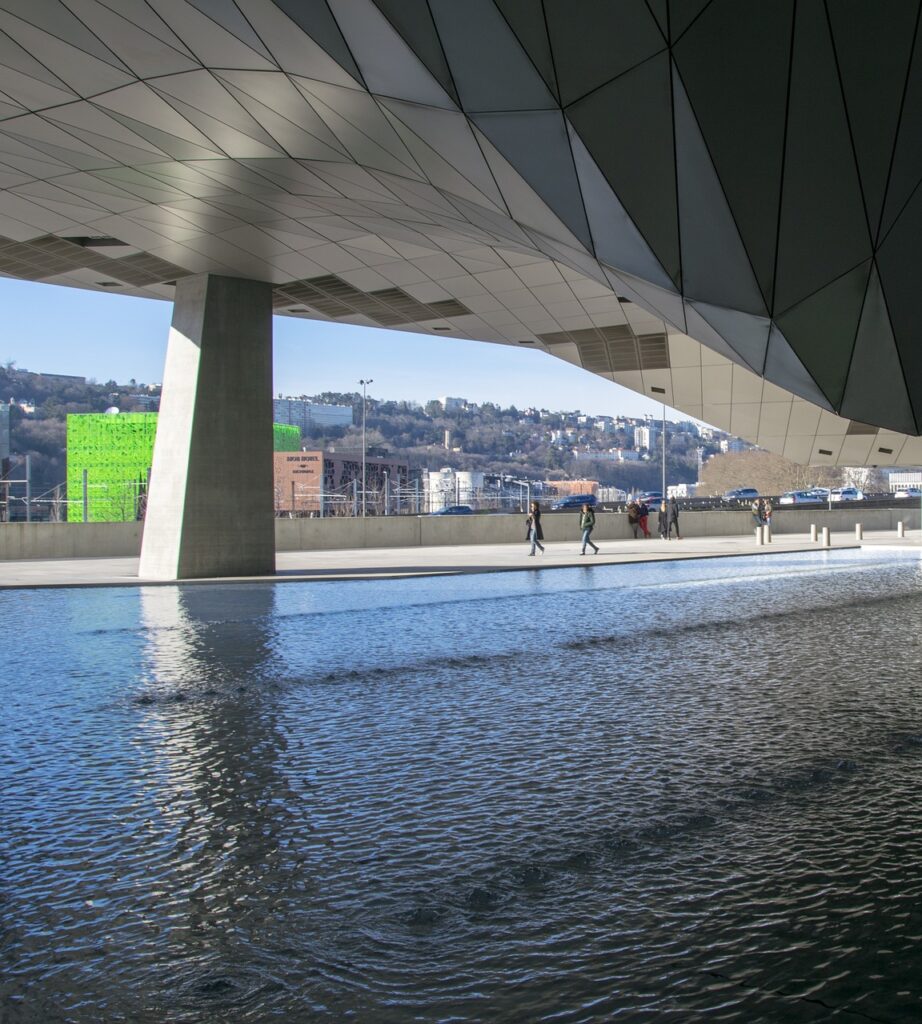
- Follow the bike lanes to the Musée des Confluences (86 Quai Perrache, 69002 Lyon) for a visit (typical hours 10:00–18:00; admission varies, count on €9–10 standard price).
- Return: tram or metro depending on how tired you are; the « Hôtel de Région – Montrochet » stop can be useful depending on the tram line.
This route favors movement and contemporary architecture.
Tips to optimize mixed-mode trips
– Use a day ticket if you plan multiple transfers and journeys: it’s often cheaper than several single tickets (approximate day ticket price: €6.80).
– Combine bike and tram: leave your bike at a Vélo’v station near a tram stop if you need to cover a long distance that would be tiring by bike.
– To save time, choose the metro for long north–south trips and the tram for peripheral coverage, while using a bike for the last mile or to escape the usual tourist tracks.
Safety, accessibility and final local tips
Whether you pick tram, metro, or bike, a few simple rules will make your stay more pleasant and safer. Lyon is generally a safe city, but like any big city be mindful of pickpockets in tourist areas and on crowded public transport.
- Always validate your ticket: riding with an unvalidated ticket can lead to a fine if checked. Controls are frequent in stations and on board trams/metros.
- Luggage and bikes: some metro lines prohibit bikes during peak hours; check the pictograms in stations. If you have bulky luggage, prefer the funicular or travel outside peak times.
- Accessibility: main stations (Part-Dieu, Bellecour, Hôtel de Ville) have elevators. Trams and buses have low floors to ease access for strollers and wheelchairs.
- Off-peak hours: for a more relaxed experience, plan visits early morning (9:00–11:00) or late afternoon (16:00–18:00) to avoid the crowds.
Extra local tips: try local bouchons when leaving Vieux Lyon to taste regional dishes; keep some small change for ticket machines in case your mobile app fails; and carry a small water bottle for bike outings, especially in summer.
Conclusion
Tram, metro or bike: there isn’t a single right way to discover Lyon, but a range of options suited to every intention. The tram offers pleasant, accessible routes great for medium-length trips and open views. The metro is the most efficient tool to cross the city quickly, ideal for connecting stations and major tourist hubs. The bike gives a unique freedom: explore at your own pace, stop whenever you like, and reach urban pockets that public transport doesn’t always serve.
On a practical level, equip yourself with the essentials: a map or the TCL app for tickets and live schedules, the Vélo’v app to find and reserve bikes, and weather-appropriate clothing. The fares mentioned in this guide (TCL single ticket €1.90, book of 10 €15.90, day ticket €6.80; Vélo’v 24h pass €5.10 / 7 days €8.10) help you plan your budget, but always check official sites (tcl.fr and velov.grandlyon.com) for updates before you travel.
Finally, leave room for the unexpected: many of Lyon’s best discoveries happen while wandering — on a bike path along the Rhône, on a tram caught by a sudden sunset, or by descending into a random metro station to follow a lane that leads to a hidden square. By mixing tram, metro and bike to suit your mood and pace, you’ll be free to explore the city’s full range, from historical heritage to modern urban innovation.
Happy travels in Lyon — whether your exploration is speedy, reflective, sporty or gourmet!