




Introduction — Lyon in 24 Hours: why your transport choice matters
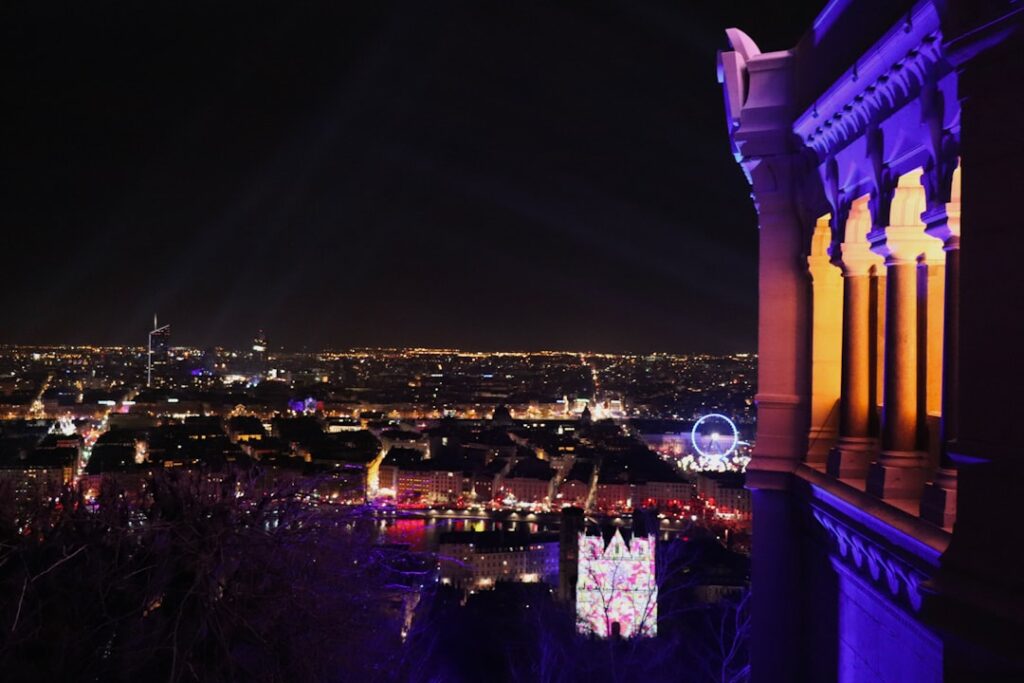
Lyon is a compact, historic and varied city where the slopes of Fourvière meet the modern banks of the Confluence, and the traboules of Vieux Lyon mingle with wide, Haussmann-style boulevards. In 24 hours you can capture the essentials: wander the old town, climb for panoramic views from the Basilica of Notre-Dame de Fourvière, stroll through Parc de la Tête d’Or and pop into the Musée des Confluences. The key to making the most of that time is choosing the right transport. Depending on which sights you prioritize — exploring heritage on foot, taking the funicular for the viewpoint, crossing the Saône by boat, or using longer tram and metro lines — your day can swing from delightful to exhausting, or vice versa.
This guide aims to help you make pragmatic, context-aware decisions: which transport to favor in each neighborhood, what it costs, where and when to buy tickets, important schedules, plus practical tips and local alternatives that save precious time. It mixes useful facts (precise addresses, entrance fees or usage costs, typical opening hours) with immersive recommendations (neighborhood vibes, what to look out for, tips for walking or cycling legs). The goal isn’t just to tell you “take the metro”: it’s to offer a sample 24-hour itinerary and explain for each segment why a given mode of transport works best, or when to switch modes (for example alternating walking and a boat ride to admire façades while saving time).
We’ll also cover handy passes and subscriptions (TCL single tickets, ticket packs, Vélo’v), extra services like the Fourvière funiculars, advice for rush hours and connections between Opéra/Presqu’île, Vieux Lyon, Fourvière, La Croix-Rousse, Parc de la Tête d’Or and the Confluence. You’ll find precise pointers: monument addresses, admission fees (when applicable), recommended visiting time windows and tips to avoid queues. Local tips (best time to climb, where to grab a coffee before a museum opens, alternatives in case of bad weather) round out each section so your 24-hour stopover is smooth, economical and memorable.
1) Morning in Vieux Lyon and Fourvière — walking + funicular: the historical balance
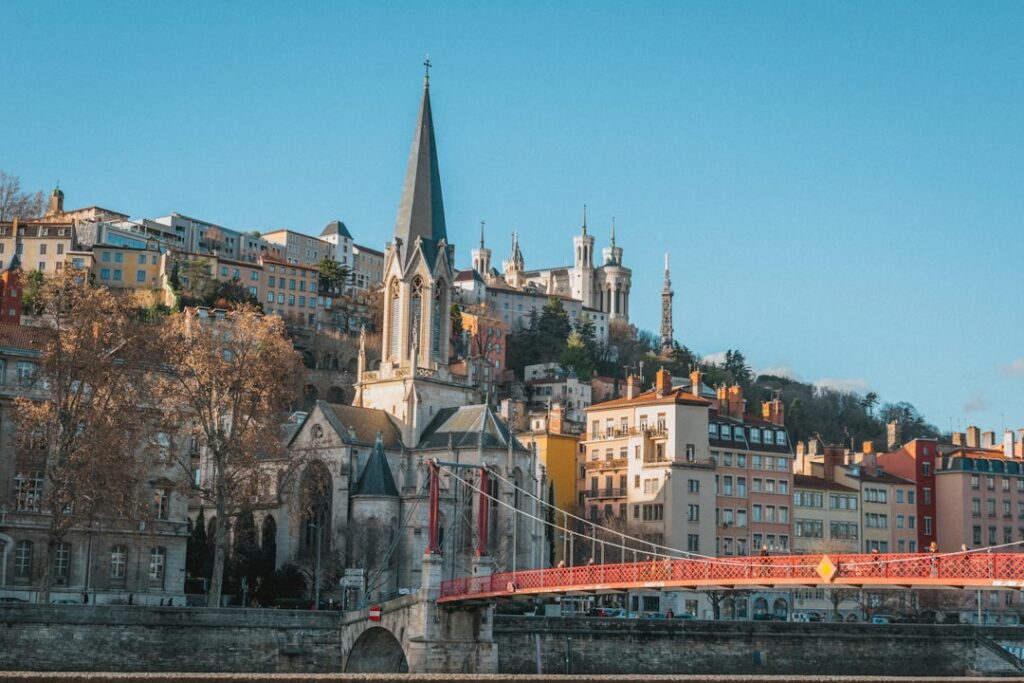
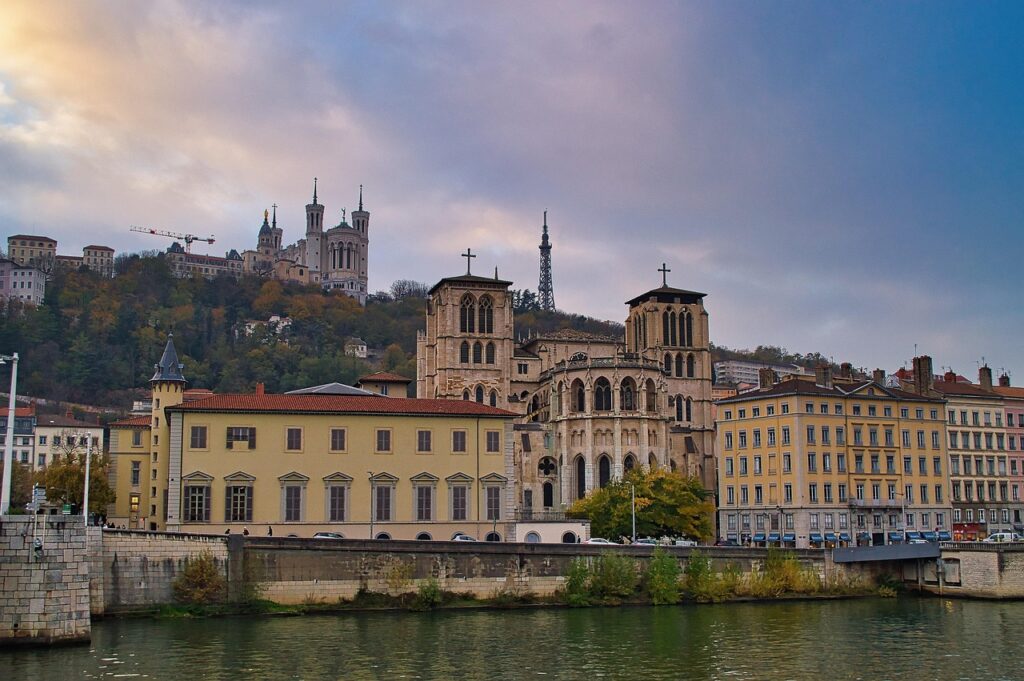
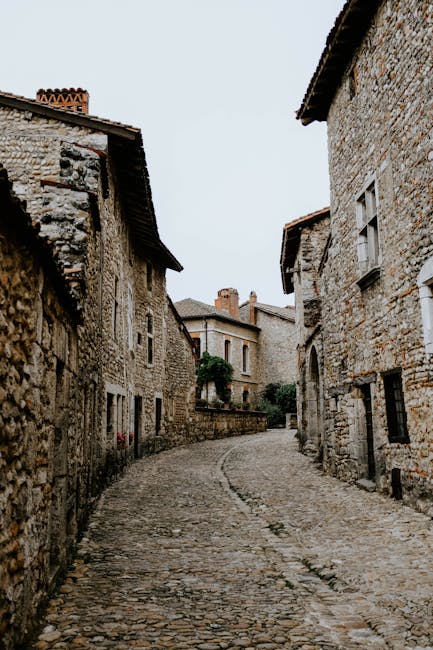
Start your day early to enjoy the cool air, soft light and still-quiet lanes. Vieux Lyon (main access: Rue Saint-Jean, 69005 Lyon) is largely pedestrian, a UNESCO World Heritage area where walking is the best way to appreciate the traboules (narrow passages), Renaissance façades and Saint-Jean-Baptiste Cathedral (Place Saint-Jean, 69005 Lyon). The cathedral is usually accessible without a ticket (opening times vary with services) and wandering the alleys is free: allow about 1h30 on foot to take it all in.
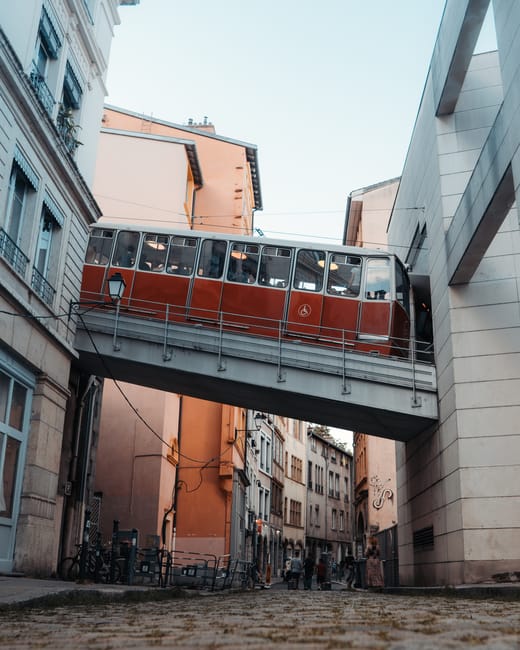
To save time and spare your legs on the climb up to Fourvière hill, take the funicular from Vieux Lyon – Cathédrale Saint-Jean station (funiculars F2 and F1). The funiculars are operated by TCL and a single TCL ticket (valid on metro, tram, bus and funicular) costs €1.90; a book of 10 tickets is often offered for around €16.90 (check machines for current prices). TCL services typically run from about 5:00 to 00:30 depending on the line; funicular hours are similar but can be slightly reduced at night. The ride is only about 5 minutes and drops you close to the Basilica of Notre-Dame de Fourvière (8 Place de Fourvière, 69005 Lyon).
Visiting the Basilica of Notre-Dame de Fourvière is free for the church itself (8 Place de Fourvière, 69005 Lyon). If you opt for a guided tour or want to climb the tower (when open) there may be a small fee — generally plan 30 to 60 minutes to wander the basilica and the esplanade, which offers one of the best views over Lyon. Nearby, the Roman Theatre of Fourvière (20 Rue Cléberg, 69005 Lyon) is worth a detour for the atmosphere of the ancient ruins; daytime access to the amphitheatre is usually free, and guided tours and concerts take place in season (prices vary).
Local tips: aim for an early ascent to avoid tourist coaches; buy your TCL tickets at the ticket machines at the nearest metro station (Vieux Lyon on line D). Wear comfortable shoes — cobbles and stairs are everywhere. If you’re short on time, the funicular (€1.90) is the quickest and most picturesque way to reach Fourvière after exploring Vieux Lyon.
2) Midday and early afternoon — Presqu’île, Place Bellecour and lunch: tram, metro and walking
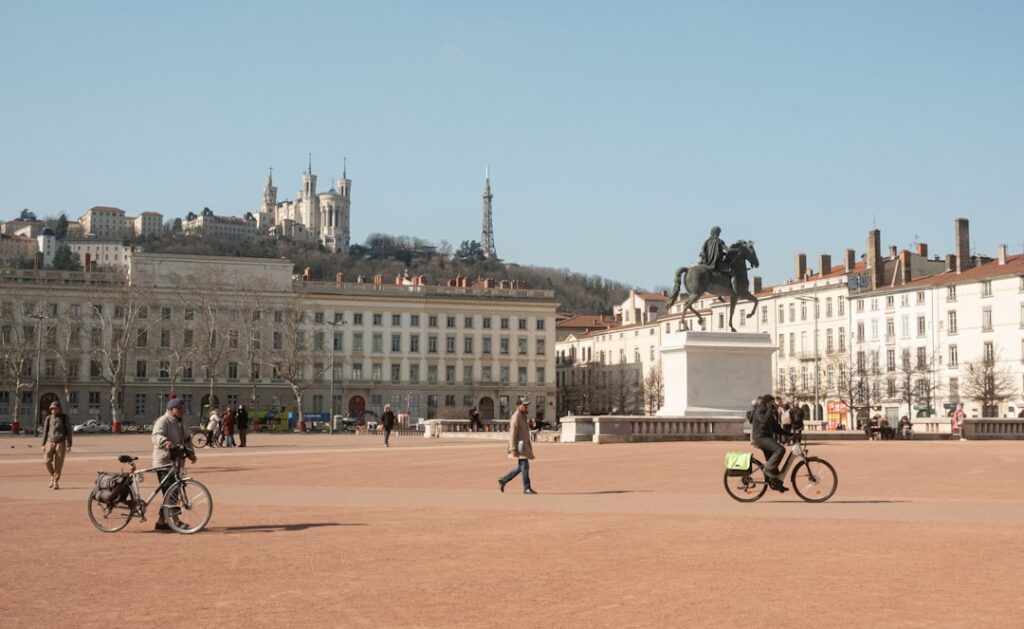
After your morning in the old town, head back down to the Presqu’île for lunch in Lyon’s commercial heart. Place Bellecour (Place Bellecour, 69002 Lyon) is the central landmark — a large pedestrian square with an equestrian statue of Louis XIV. If you walk down from Fourvière via the stairs and riverbanks, expect a pleasant 20–30 minute stroll; otherwise, take the funicular back to Vieux Lyon then the metro line D (Bellecour stop) with a single TCL ticket for €1.90. Lyon’s metro generally runs from about 5:00 to 00:30 (times vary by line and day), and trams operate on similar schedules.
For lunch you can pick a traditional bouchon lyonnais (for example Le Bouchon des Filles, 20 Rue Sergent Blandan, 69001 Lyon — budget roughly €20–35 per person depending on dishes and drinks) or a brasserie on the Presqu’île. If you want something quick and convenient, the area around Rue de la République (69002 Lyon) has many options within a short walk. The Presqu’île is largely pedestrian and ideal for post-meal exploration on foot: the Opéra National de Lyon (Place de la Comédie, 69001 Lyon) and Rue de la République are just minutes away.
If you want to continue up to La Croix-Rousse (a northern neighborhood known for its silk-weaving history), metro line C (Croix-Rousse stop) or bus line C13 are recommended. La Croix-Rousse is perfect for an after-lunch wander: squares, slopes and intimate viewpoints. For short trips within the center, a mix of walking and metro/tram is often the fastest and most economical option: little waiting time and dense network coverage.
Local tips: buy your TCL ticket at a machine and keep it for one hour in case of transfers; as the Presqu’île is very touristy, try to avoid peak rush hours (8:00–9:30 and 17:00–19:00) if you can. If you want to save on multiple short trips, consider a book of 10 tickets (great if you’re not a subscriber) or a day ticket if you’ll be making lots of return trips in a half-day.
3) Afternoon at Parc de la Tête d’Or or family time — Vélo’v, bus or tram for relaxed travel
Parc de la Tête d’Or (Place du Docteur Mérieux, 69006 Lyon) is one of Europe’s largest urban parks and a must for a relaxed afternoon. From the Presqu’île you have several options: tram T1 (Parc Tête d’Or stop) or metro (Charpennes on line A) followed by a short walk. Trams and metros are part of TCL with single tickets at €1.90. For a more local and pleasant experience, consider the Vélo’v bike-sharing service — stations are scattered throughout the city center.
Vélo’v is handy for reaching the park in 10–20 minutes from Bellecour or Vieux Lyon by following the Rhône riverbanks (continuous cycle lanes). Bikes are ideal for families or anyone wanting to combine transport and activity. Typically, the first 30 minutes of each rental are covered under short-term pricing, then an hourly fee applies if you go over. Check the Vélo’v app for short or daily passes (prices vary by option). Renting makes it easy to get into the park and visit the zoo (the zoo grounds are generally free to view some outdoor enclosures; certain activities or greenhouses may charge admission or request a donation).
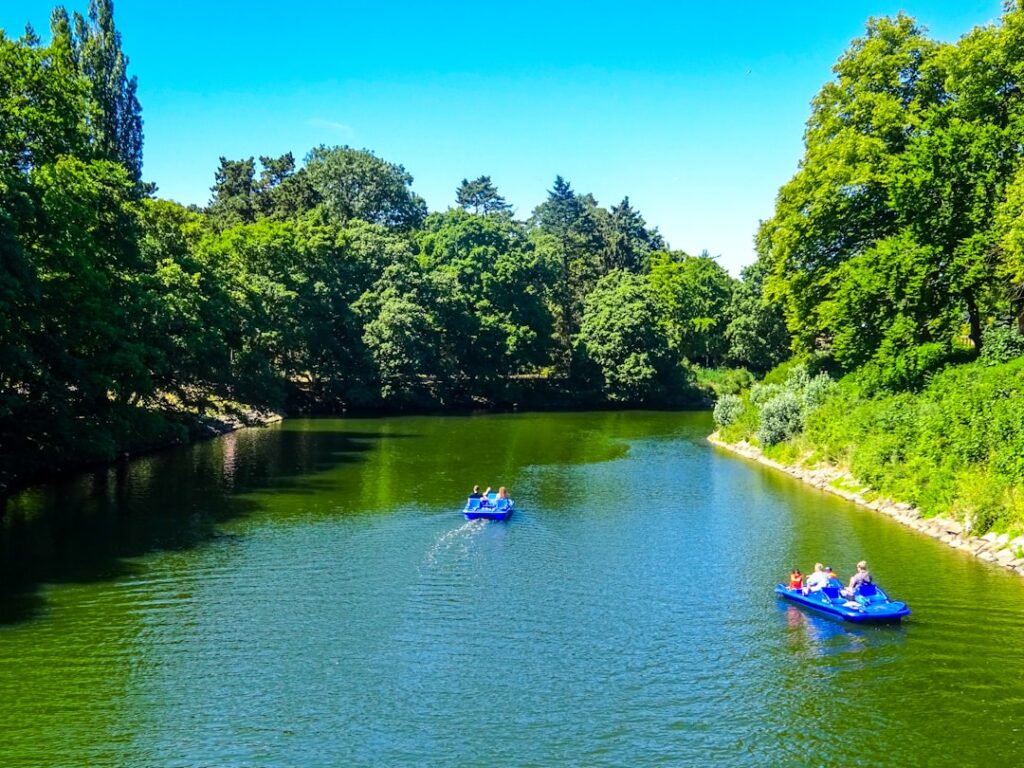
Parc de la Tête d’Or includes a large lake (boat rental available for around €4–6 per half-hour depending on season), greenhouses (tropical greenhouse often open, address: Porte des Enfants du Rhône, 69006 Lyon) and a botanical garden. It’s an ideal spot to rest after a busy morning: picnics allowed, wide lawns and cafés nearby. If you prefer public transport, tram T1 or buses C1/C3 run frequently during the day (roughly every 6–12 minutes).
Local tips: check the weather before choosing a bike; the riverbank cycleways are well protected but can be windy. If you’re in a group or with children, opt for the tram or bus to avoid the hassle of returning multiple bikes. If you still have energy, head northeast through the park to discover the Brotteaux neighborhood and its art-deco cafés.
4) Late afternoon and evening in the Confluence — tram, boat and contemporary walking
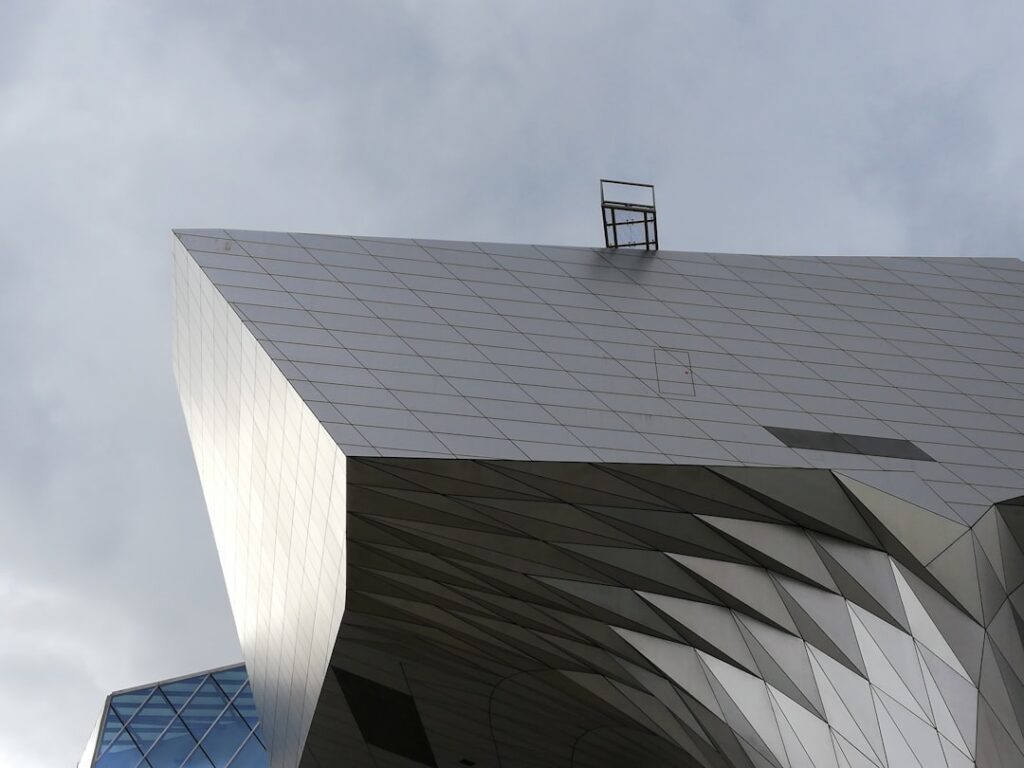
To finish your day, head south of the Presqu’île toward the Confluence district, where an old industrial port has been transformed into a modern neighborhood of contemporary architecture. The Musée des Confluences (86 Quai Perrache, 69002 Lyon) is a major attraction: the building’s architecture is striking and worth a visit. Museum entry is paid: full adult fare is around €11.00 (2024 indicative price), with discounts for students and occasional free-entry events; opening hours are generally 10:00–18:00 (check seasonal and late-night hours). To reach the Confluence from the Presqu’île, take tram T1 or walk along the Rhône banks and cross to the Saône–Rhône confluence via the bridges.
A romantic and very visual alternative is the seasonal river shuttle boat that links several quays between the Presqu’île and the Confluence (check seasonal schedules and fares, usually a few euros per trip). The boat lets you admire the city from the water and saves you long walks when you’re carrying luggage or a stroller. Once in the Confluence, stroll the modern banks up to the shopping center and the museum esplanade.
In the evening the neighborhood offers modern restaurants and bars with river views. For example, Café Sillon (address: 3 Rue Paul Montrochet, 69002 Lyon — menus and prices vary, dishes roughly €12–25) or the Confluence mall brasserie for a quieter meal. To get back to the city center or the Presqu’île at night, trams T1/T2 and buses run regular services; taxis and ride-hailing services are an option if you’re returning late. Keep in mind that the last metros and trams run until around 00:30; plan your return according to line schedules to avoid waiting for a night service.
Local tips: if you’re into photography, sunset light on the Confluence’s buildings and the silhouette of Fourvière in the distance make for powerful shots. Check the Musée des Confluences opening times and reserve tickets online if you want quick entry without queues. If you’re pressed for time, the tram + walking along the quays is often the fastest and most pleasant option.
Conclusion — plan your day, mix modes and close your 24 hours
In just 24 hours in Lyon you can cover a broad range of experiences: medieval alleys of Vieux Lyon, a panorama from Fourvière, the bustling Presqu’île for lunch and shopping, a relaxing break in Parc de la Tête d’Or and contemporary Confluence vibes. The secret to getting the most from that time is to think in segments: favor walking and narrow streets in historic areas (Vieux Lyon, Presqu’île), use the funicular to quickly gain altitude to Fourvière, take the metro/tram to connect major central axes and the Confluence, and opt for Vélo’v if you want more freedom for intermediate journeys, especially along the riverbanks.
On budget and tickets, carry a single TCL ticket at €1.90 for occasional trips, or buy a book if you’ll make several returns (the 10-ticket pack is often around €16.90). For sightseeing, note that the Basilica of Notre-Dame de Fourvière and walking around Vieux Lyon are free, while the Musée des Confluences charges roughly €11.00 for adult admission (typical hours 10:00–18:00 on weekdays; check for evening openings and holidays). Parc de la Tête d’Or is open to the public with occasional paid activities (boat hire €4–6 per half hour depending on season). These price markers help you plan your day and expenses.
Practical tips to wrap up your 24 hours: schedule your Fourvière climb in the morning for the best light and cooler temperatures; book skip-the-line tickets for the Musée des Confluences if it’s busy; walk between Bellecour and Vieux Lyon to soak up the city’s character; and if you’re traveling light, choose a late-afternoon bike ride along the Rhône to combine flexibility and scenic pleasure. Finally, adapt your route to the weather: if it rains, the metro and trams will keep you sheltered between major points.
With these keys you have an adaptable plan for your Lyon stopover: a thoughtful mix of public transport (TCL), funicular, walking, cycling and occasionally a boat for river links. Picking the right mode of transport for each sight will not only affect your comfort but also your ability to feel Lyon’s unique atmosphere. Enjoy exploring and make the most of every neighborhood — Lyon is perfectly suited to a focused, well-organized day.