





Introduction: A Historical Stroll through the Heart of Fourvière
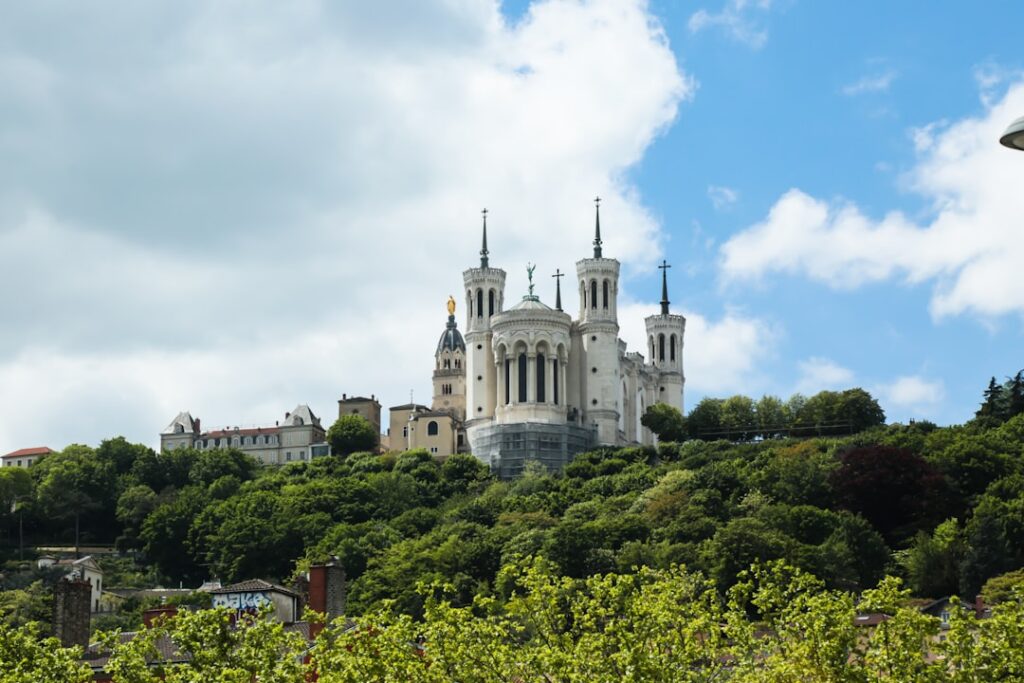
Fourvière is one of Lyon’s most iconic hills — a place of worship, ancient history and breathtaking views over the city. Perched above the medieval quarter of Vieux Lyon, Fourvière packs Roman remains, grand religious monuments, themed museums and peaceful gardens into a compact area made for wandering. A historical walk on Fourvière is more than just ticking off sights; it’s a plunge through layers of time, from early Gallo-Roman amphitheaters to the 19th-century neo-Byzantine buildings, with museums that put those remains into context and explain how Lugdunum evolved from the capital of the Gauls into a major European metropolis.
This detailed guide, aimed at curious and discerning visitors, lays out Fourvière in an organized way: what to see, where to rest, typical prices for visits, and — above all — how to make the most of your route to enjoy the viewpoints and hidden treasures. You’ll find exact addresses, common opening hours and indicative ticket prices for each major spot, along with immersive descriptions to help you prepare your visit or enrich your walk on site. Local tips — when to arrive to avoid crowds, which path to pick for the best evening light, where to stop for a refreshment — will help turn a simple stroll into a real journey through time.
Fourvière is best explored on foot: the slopes give you changing perspectives, narrow alleys and stairways, benches with perfect photo viewpoints, and gardens for a breather. Most sites and museums are within walking distance of each other, but each stop deserves time: the Basilica of Notre-Dame de Fourvière, with its lavish interior, contrasts with the quiet, archaeological atmosphere of the Roman theatres and the Gallo-Roman Museum. Being close to Vieux Lyon also lets you extend the visit to the Musée Gadagne or the Musée Miniature et Cinéma, rounding out the city’s story with collections about architecture, puppetry and film art. Bring comfortable shoes, a map or an app with the hillside paths, and a curiosity ready to be fed: Fourvière serves history with a view.
1) Basilica of Notre-Dame de Fourvière and the Rose Garden: Splendour and Quiet Reflection
Basilica of Notre-Dame de Fourvière – 8 Place de Fourvière, 69005 Lyon. Visits typically start at the Basilica, the religious and architectural emblem of the hill. Built between 1872 and 1884 in a mix of neo-Byzantine and neo-Gothic styles, the basilica is recognizable across the metropolitan area thanks to its white silhouette and four towers. Entrance to the basilica is free; however, certain areas and guided tours (crypts or access to specific panels) may be ticketed during temporary exhibitions. Usual opening hours: 8:00–19:00 (daily), religious services vary (check locally or on the official site).
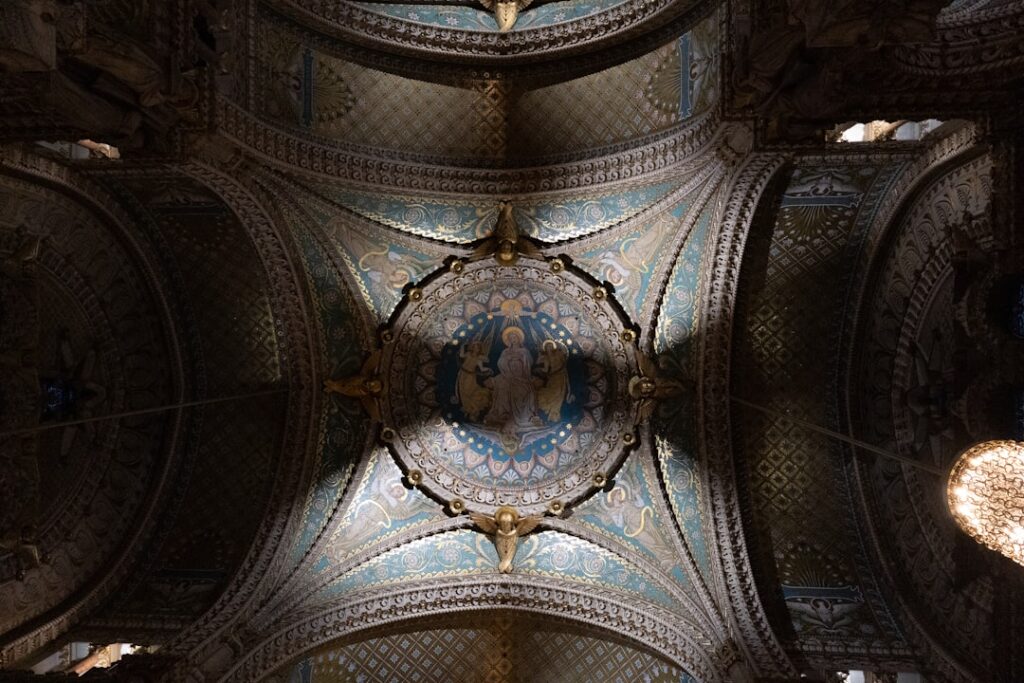
Inside, mosaics, stained glass, gilding and carved vaults reflect 19th-century devotion aimed at the heavens. Don’t miss the Saint-Thomas chapel and the lower crypt, which are often quieter and more intimate than the main choir. For visitors wanting explanations, occasional guided tours are offered by the tourist office and volunteers: prices vary (expect roughly €4–€8 per person for a guided tour).
Just west of the basilica, the Rose Garden (Jardin du Rosaire) – Place de Fourvière, 69005 Lyon – offers a string of terraced plantings, patterned flowerbeds and small belvederes. This garden, designed for meditation and for admiring the view, features paved paths, shady benches and informative panels on the site’s religious history. The Rose Garden is free to access and ideal for a quick picnic at sunset. Local tip: arrive early in the morning for soft light and fewer visitors, or just before dusk for a panorama where Lyon’s rooftops gradually light up.
2) The Roman Theatres and the Gallo-Roman Museum: Tangible Antiquity
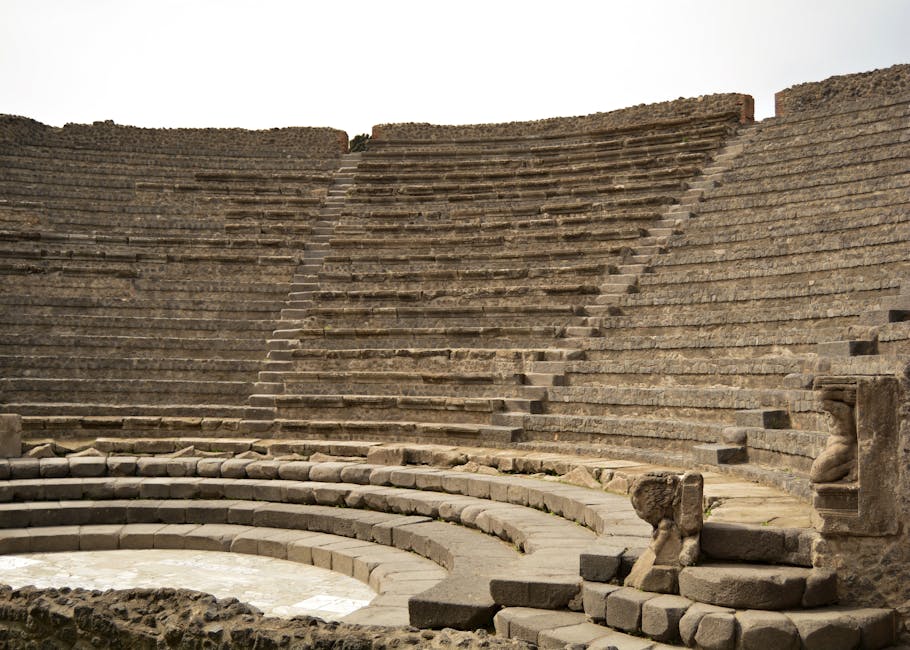
Roman Theatres of Fourvière – Place du Théâtre Romain, 69005 Lyon. At the foot of the basilica, the vast seating tiers and stage of the ancient theatres form one of the best-preserved Gallo-Roman ensembles in France. On-site archaeology helps you imagine the city of Lugdunum, the capital of Roman Gaul. Outdoor access to the theatres is free; for guided tours and access to certain fenced-off areas, tickets may be required during events (notably during the Nuits de Fourvière festival, which often uses the stage).
Gallo-Roman Museum of Lyon-Fourvière (Museum of Antiquities) – 17 Rue Cléberg, 69005 Lyon. Just a short walk from the theatres, the museum puts the remains into context: collections of everyday objects, statues, mosaics and explanatory displays about urban life in Roman times. Usual hours: 10:00–18:00 (closed Tuesdays). Indicative prices: €8.00 full price, €5.50 reduced, free for under-18s and certain categories; family or combined tickets may be available with other sites. The museum offers audio guides in French and English (often included in the ticket price) and temporary exhibitions exploring topics like road construction, the imperial cult or domestic life.
Visiting the theatres and the museum together is immersive: after climbing the tiers and imagining the ancient crowd, you step into the museum rooms to mentally handle the objects that were part of that social theatre. Practical tip: choose off-peak hours (opening time or early afternoon on weekdays) to fully enjoy the displays and panels. Photography: indoors, check the museum’s policy; non-flash photography is often allowed.
3) Fourvière Panorama and the Metal Tower: Light and Vistas
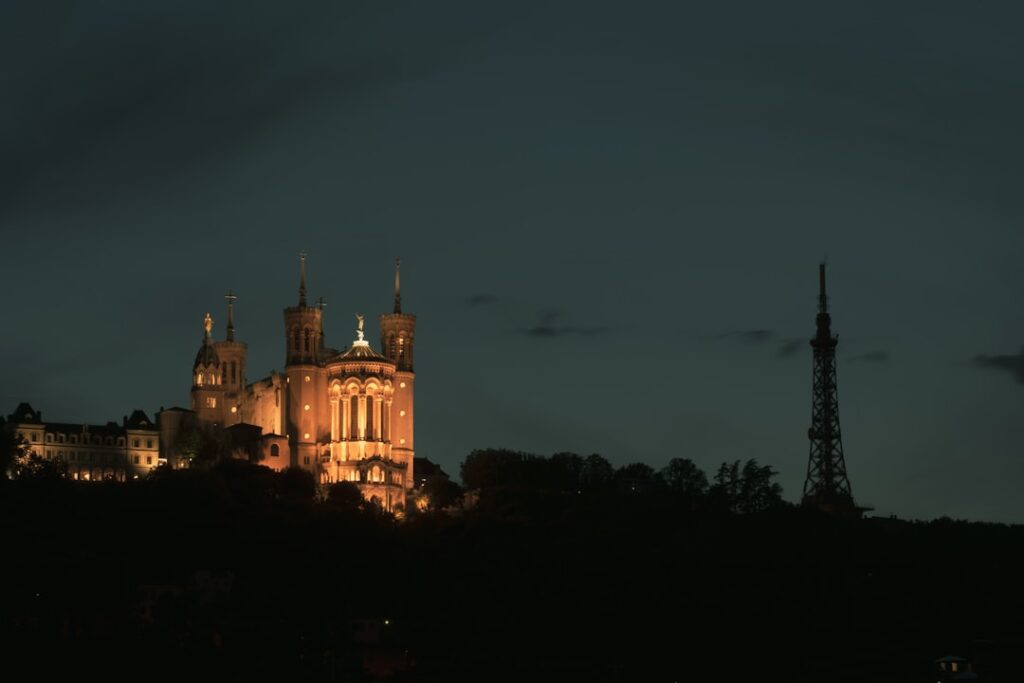
One of Fourvière’s biggest draws is its panorama over Lyon and the confluence of the Rhône and Saône rivers. Numerous viewpoints and terraces offer superb views: the platform near the Basilica of Notre-Dame de Fourvière (8 Place de Fourvière, 69005 Lyon) is free and one of the best spots to photograph the Presqu’île and the Croix-Rousse hill.
Metal Tower of Fourvière (Observation Tower) – esplanade near the Basilica of Notre-Dame de Fourvière, 69005 Lyon. Loosely inspired by the Eiffel Tower, Fourvière’s metal tower is a 19th-century structure that is occasionally open to the public so visitors can climb and enjoy 360° views. When open, access is charged and modest: expect roughly €3.00–€6.00 depending on season and whether the ascent is guided. Hours vary with season and conditions (check before you go).
Photography tips from locals: morning light (between 7:30 and 9:30) and late-afternoon light (around 18:00–20:30 depending on the season) give gentle contrasts and warm tones. After dark, the city’s lights make the Presqu’île especially photogenic, but avoid wandering late at night alone — stick to groups or busy areas. Bring a small foldable tripod if you want long exposures to capture the calm Saône and illuminated bridges.
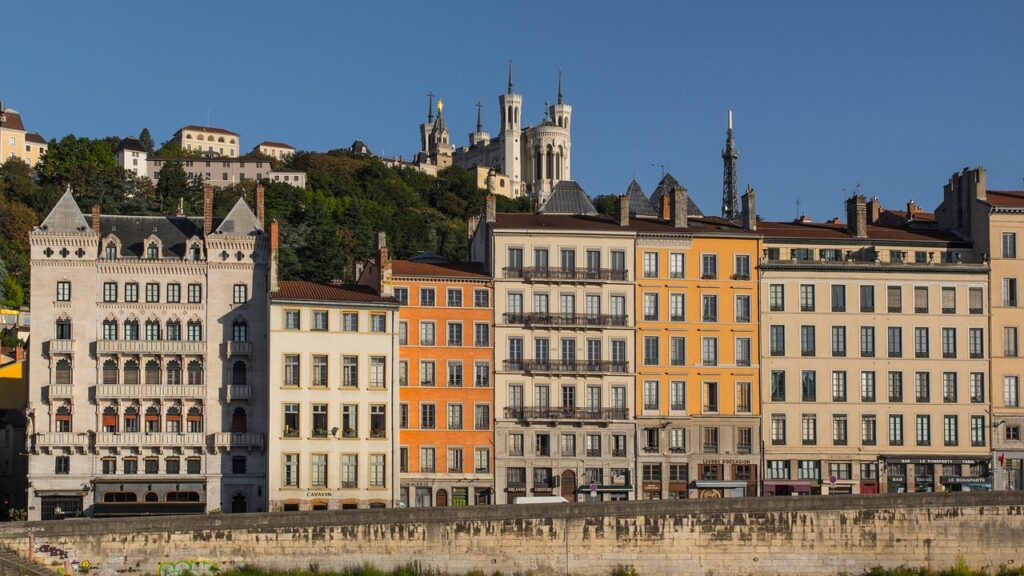
4) Descent into Vieux Lyon: Musée Gadagne, Miniature & Cinema Museum, and Medieval Lanes
After exploring Fourvière, the walk down to Vieux Lyon extends the historical immersion. Cobbled lanes and traboules open onto Renaissance façades and inner courtyards. Two nearby museums are unmissable and add valuable context to the city’s story.
Musée Gadagne (Museum of Lyon History & the World Puppet Museum) – 1 Place du Petit Collège, 69005 Lyon. Housed in a Renaissance townhouse, the museum traces Lyon’s history from the Middle Ages to the present and holds a significant collection of puppets (including Guignol). Typical hours: 10:00–18:00 (closed Tuesdays). Prices: full price around €8.00, reduced €5.00, free for under-18s. The museum also offers audio guides and workshops for children; check the schedule for puppet demonstrations.
Musée Miniature et Cinéma – 60 Rue Saint-Jean, 69005 Lyon. This fascinating museum showcases hyper-realistic miniature sets and film props. Typical hours: 10:00–18:00 (closed Mondays). Prices: full price around €9.00, reduced €6.50, free for very young children. Visitors enjoy the precision of the miniatures and explanations of film techniques (special effects, models, post-production).
Streets, bouchons and practical tips: on the way down, stop for coffee or a meal in an authentic « bouchon lyonnais » (for example, restaurants around Rue du Boeuf). The traboules of Vieux Lyon make great photo backdrops; however, respect residents’ privacy and follow access rules (some traboules close at night). If you’re traveling with children, the Miniature and Musée Gadagne are fun and educational stops. Buying skip-the-line tickets in high season (May–September, local festivals) can save you a lot of time.
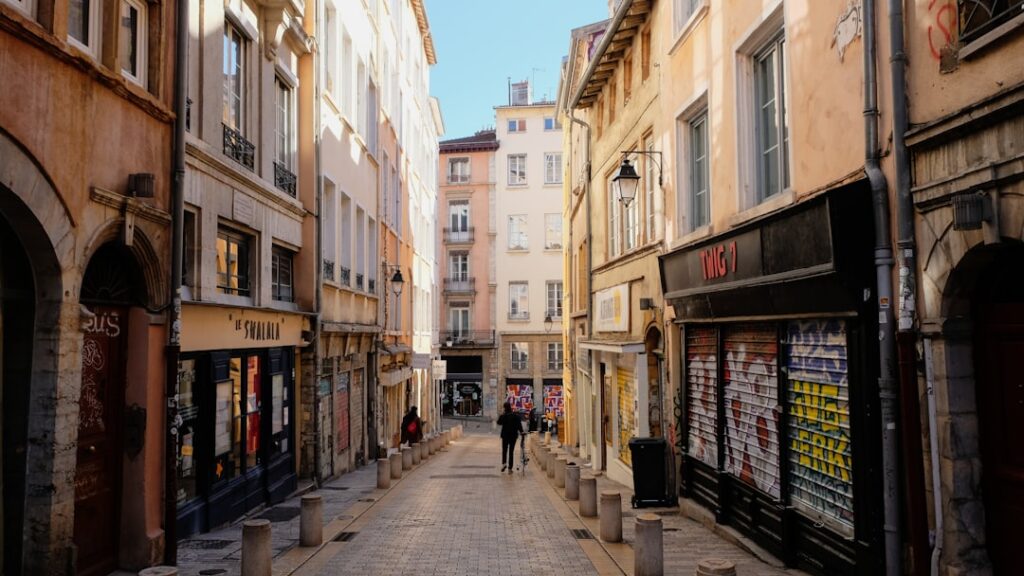
Conclusion: How to Plan Your Walk and Tips for Getting the Most Out of It
Fourvière reads like an open-air history book: every terrace, ruin and facade tells a page of Lyon’s story. To get the most from your historical stroll, plan according to priorities and the weather. Ideal morning: start at the basilica to catch the soft light, continue to the Roman theatres and the Gallo-Roman Museum, then head down to Vieux Lyon for lunch and a visit to Musée Gadagne or the Miniature and Cinema Museum. If you prefer twilight vibes, climb later in the afternoon and stay for sunset on the terraces as the city lights come on.
Tickets and reservations: always check the official sites of the places you plan to visit (Basilica of Notre-Dame de Fourvière, Gallo-Roman Museum of Lyon-Fourvière, Musée Gadagne, Musée Miniature et Cinéma) for special hours, unexpected closures and possible discounts (museum passes, combined tickets, free entries). In high season and during events (Nuits de Fourvière festival, concerts, exhibitions), buy tickets in advance to avoid queues. Transport and accessibility: Fourvière is reachable on foot via various stairs and paths; there is also a small funicular linking Vieux Lyon to the summit (Vieux Lyon–Fourvière funicular). Wear comfortable shoes: cobbles and slopes can be slippery after rain.
Final local tips: bring a bottle of water and a small snack for long walks; respect places of worship (appropriate dress, quiet in areas of reflection); seek out less crowded spots like the Rose Garden or the small courtyards of Vieux Lyon for moments of calm. Above all, take time to notice: a window, a Latin inscription, a commemorative plaque or a fragment of mosaics will connect you to centuries of history. Fourvière invites slow exploration and curiosity — let it tell you its story.