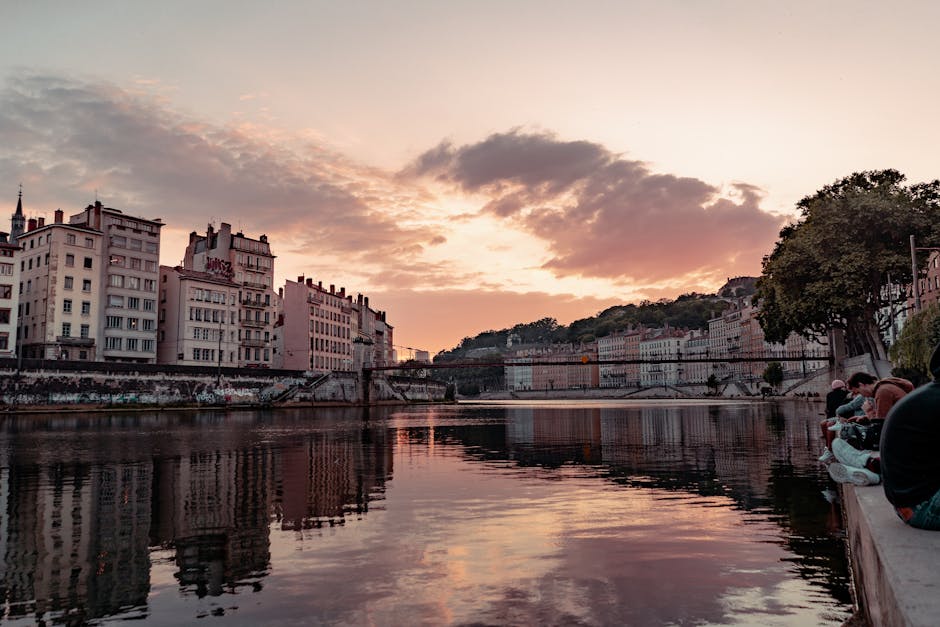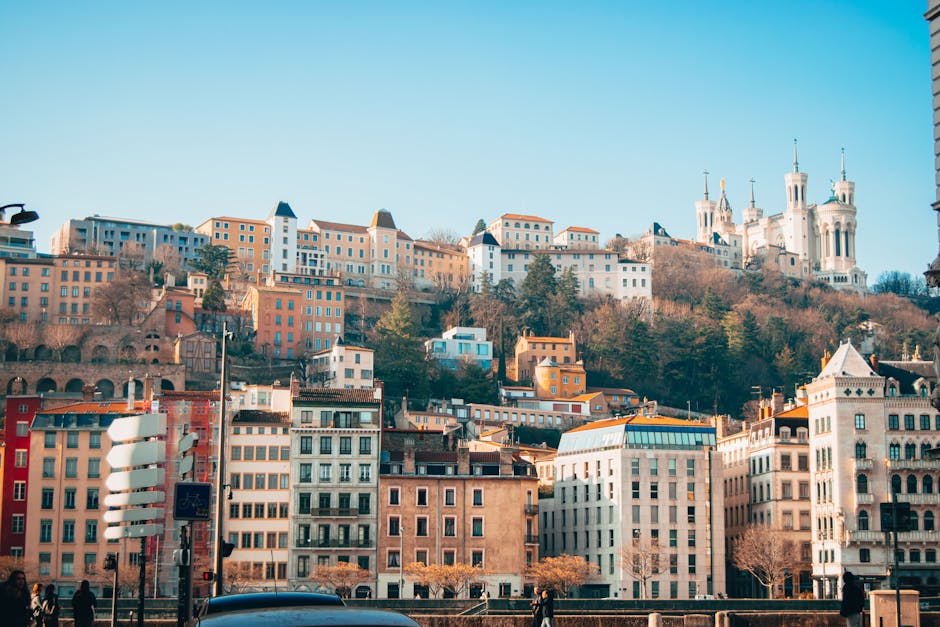




Introduction — Getting around Lyon: stakes, atmospheres and first impressions
Lyon, the city at the meeting point of the Rhône and the Saône, is more than a historic and culinary crossroads: it’s a compact metropolis where mobility shapes residents’ daily lives and visitors’ experiences. Getting around Lyon means learning how to navigate a well-known public transport network (metro, tram, bus), gentle shared options like the Vélo’v bike-share, and plenty of walking — often the most charming way to move around the slopes of Vieux-Lyon or along the riverbanks. This guide aims to give you a full, practical and immersive overview of the lines, schedules, fares and atmospheres of Lyon’s different transport modes.
Your first encounter with the TCL network (Transports en Commun Lyonnais) will often be at one of the big stations: Gare de Lyon Part-Dieu (Place Charles Béraudier / Place Georges Pompidou, 69003 Lyon) or Gare de Lyon-Perrache (Place Carnot, 69002 Lyon). These hubs are the gateways to the metro (lines A, B, C, D), the trams (T1 to T7), and bus connections. The vibe shifts with the time of day and the mode: the metro is fast and underground — all about flow, focus and punctuality; the tram, usually on the surface, brings brighter routes, views of changing neighborhoods and a more ‘stroll-like’ feel; and the bike, with Vélo’v, creates an intimate relationship with the city, traffic rhythm and weather.
In this guide you’ll find practical, detailed information: full station and line names, exact addresses to pinpoint main hubs, prices in euros for common tickets and subscriptions, typical schedules (start, end times, frequencies), descriptions of atmospheres at different hours and local tips to optimize your journeys. Whether you’re planning a short weekend or a longer stay, I’ll explain how to combine metro, tram and bike to reach highlights like Place Bellecour (Place Bellecour, 69002 Lyon), the Confluence district (Confluence, 69500 Lyon), or the slopes of Croix-Rousse (Rue du Mail, 69001 Lyon).
Note that fares and schedules are shown according to the current usual rates and habits: they can change, especially during works, events or holidays. The addresses given serve to precisely locate recommended stations or starting points. Finally, to help bring this text to life, you’ll find visual markers 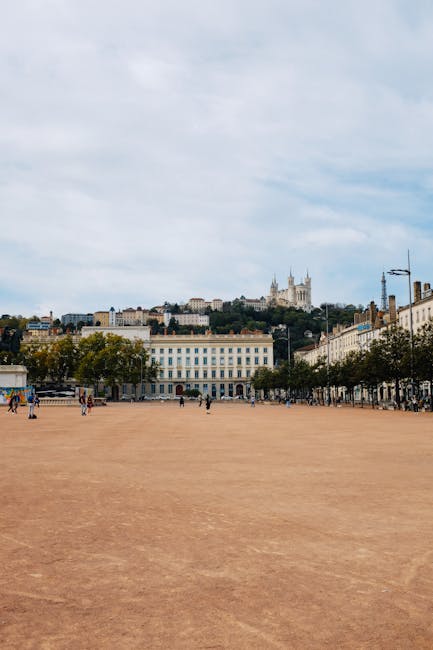 and
and 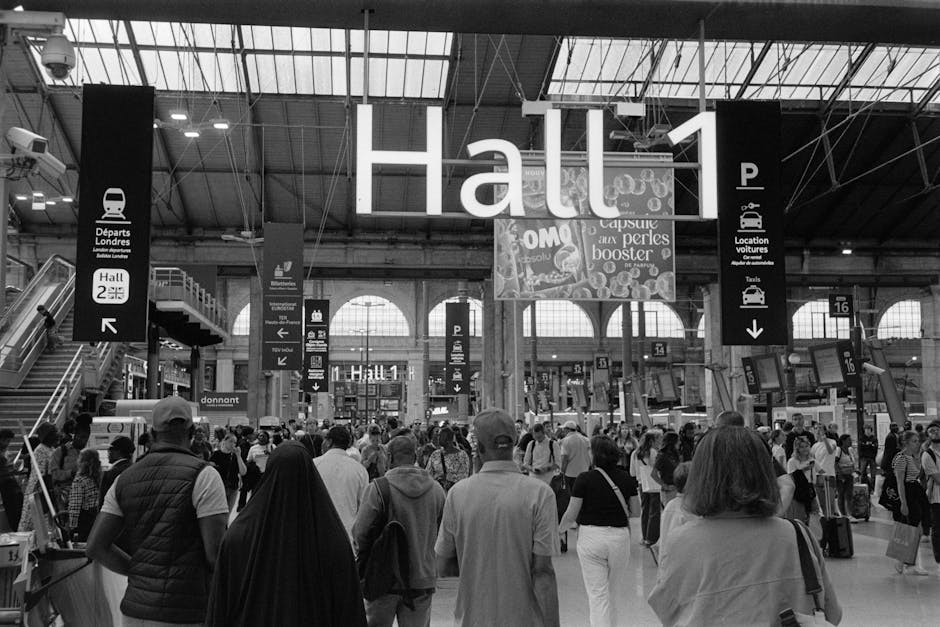 , meant to help you picture the places mentioned.
1) Lyon’s metro: lines, hours, key stations and atmospheres
Lyon’s metro, operated by Keolis on behalf of TCL, has four lines: A (Perrache ↔ Vaulx-en-Velin La Soie), B (Charpennes ↔ Gare d’Oullins), C (Hôtel de Ville — Louis Pradel ↔ Cuire), and D (Gare de Vaise ↔ Gare de Vénissieux). Each line has its own personality: A and B are the busiest as they cross the main shopping and central areas (Place Bellecour, Hôtel de Ville) and connect major business hubs; line C is short but charming, accessible via Croix-Paquet station (6 Rue d’Annonay, 69001 Lyon); line D, newer and automated, is handy for traveling from the northwest to the southeast of the metro area.
Hours: the metro generally runs from 05:00 to 00:30 on weekdays. On Friday and Saturday nights, service is often extended until around 02:00 on some lines depending on events. Typical frequencies: during peak hours (07:00–09:30 and 16:30–19:30), trains every 2 to 4 minutes on A and B; 4 to 7 minutes on D; 6 to 10 minutes on C. Outside peak times during the day, expect 5 to 10 minutes between trains depending on the line.
Stations and landmarks:
- Part-Dieu — Vivier Merle (Place Georges Pompidou, 69003 Lyon): direct connection to the Lyon Part-Dieu TGV station and the La Part-Dieu shopping center (Address: 17 Rue du Dr Bouchut, 69003 Lyon). Atmosphere: constant flow, travelers arriving or departing, shops, the sound of rolling suitcases.
- Bellecour (Place Bellecour, 69002 Lyon): the heart of the Presqu’île, just steps from the Rhône. Atmosphere: pedestrians, tourists, street musicians some evenings.
- Hôtel de Ville — Louis Pradel (Place de la Comédie, 69001 Lyon): access to the Théâtre des Célestins and the Opera. Exact address: Place de la Comédie, 69001 Lyon.
- Gare de Vénissieux (Place du 8 Mai 1945, 69200 Vénissieux): the southern terminus of line D, with bus connections.
Atmospheres: in the metro, the vibe is mainly utilitarian: quick trips, audible announcements, electronic displays with precise connection info. The metro is the most reliable option when the weather turns bad or when you need to get quickly from Part-Dieu to Vieux-Lyon. Some stations (Hôtel de Ville, Vieux-Lyon) are decorated and worth a stop for their historic character. Also note that security on the metro has been reinforced: cameras, security staff on some lines and assistance systems are increasingly common.
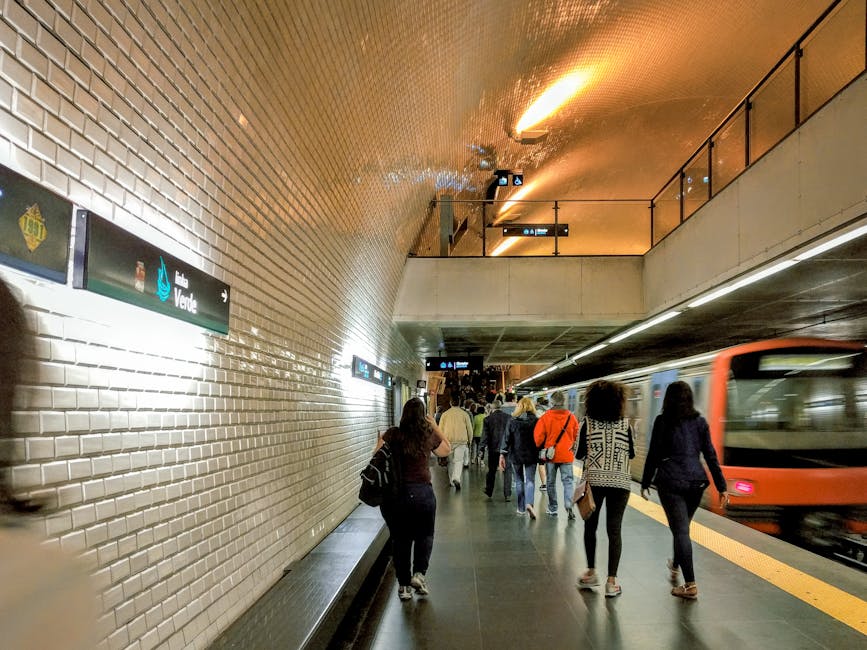
2) The tram: lines T1 to T7, routes, schedules and surface atmospheres
Lyon’s tram network complements the metro by providing surface connections to developing neighborhoods, university areas and shopping zones. The main lines are T1, T2, T3, T4, T5, T6 and T7. Tram rides are often calmer and offer views of the city: you’ll feel more of the urban fabric, greenery and neighborhood life. Trams are also convenient for trips to the Confluence, Part-Dieu, or the universities.
Quick overview of key lines:
- T1 (Debourg ↔ IUT Feyssine): crosses the south of the Presqu’île, passes Place Jean Jaurès. Starts at Debourg (Place des Pavillons, 69007 Lyon) and its weekly ridership varies with university term times.
- T2 (Perrache ↔ Saint-Priest Bel Air): links Perrache station (Place Carnot, 69002 Lyon) with residential and industrial areas to the southeast.
- T3 (Part-Dieu Villette ↔ Meyzieu Les Panettes): useful for getting to La Part-Dieu (Place Charles Béraudier, 69003 Lyon) and activity zones to the east.
- T4 (La Doua Gaston Berger ↔ Grange Blanche): runs on a northeast–southeast axis and serves several university campuses (La Doua, Villeurbanne). La Doua station (Avenue Gaston Berger, 69100 Villeurbanne) is a focal point of student life.
- T5 / T6 / T7: lines that complete the network coverage, serving peripheral neighborhoods, hospital hubs (Hôpital Lyon Sud for T6/T7 via connections) and emerging districts.
Hours and frequency: trams usually operate between 04:30 and 00:30; some sections are extended until 01:30 during events. Frequencies: during the day, expect 6 to 12 minutes between trams; at peak times, every 4 to 8 minutes on main corridors (T1, T3). Evenings and Sundays can drop to 10–20 minutes depending on the line. Trams are often equipped with spaces for folding bikes and have easy access for strollers and people with reduced mobility.
Atmospheres: hopping on a tram is often like taking an urban sightseeing ride. On T1 you’ll see the Presqu’île gradually give way to more residential areas; on T3, the route toward La Part-Dieu showcases contemporary architecture. Trams encourage encounters: students, families, commuters. Stops such as Gare de la Part-Dieu — Vivier Merle (Place Charles Béraudier, 69003 Lyon) juggle a ballet of connections (metro, tram, bus, TGV), shops and cafés where you can wait comfortably.
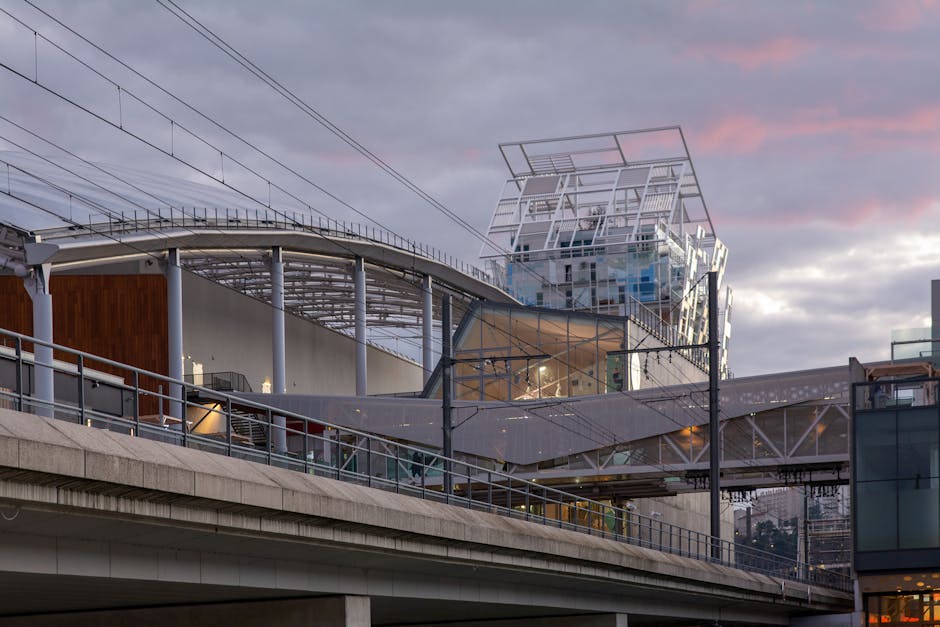
3) Vélo’v and personal bikes: fares, docking stations, rules and cycling vibes
Vélo’v is Lyon’s bike-share system, operated by the metropolitan authority with private partners. Vélo’v is a fast, affordable and pleasant option for short to medium distances (1–8 km): rides along the Rhône or Saône quays are especially lovely at sunrise and sunset. Lyon’s cycling infrastructure has grown significantly: separated lanes, bike-only directions, contraflow bike lanes on many streets and dedicated parking.
Fares (main options):
- 30-minute free interval included with a subscription: first half-hour free, then €0.50 for each additional 30-minute block.
- 24-hour pass: €5.00 (allows successive hires with the 30-minute free-per-ride rule).
- Annual subscription: €39.00 (same short-ride logic, with preferential rates for residents and combined offers with TCL for subscribers).
- Short-term hire without subscription: rates vary via the Vélo’v app (payment by card on the app).
These fares are indicative and may be adjusted by the Métropole de Lyon.
Useful stations and locations:
- Vélo’v – République (Place de la République, 69002 Lyon): a major hub to reach the Presqu’île and Vieux-Lyon.
- Vélo’v – Place Bellecour (Place Bellecour, 69002 Lyon): a central station, often full during tourist peak times.
- Vélo’v – Confluence (99 Quai Rambaud, 69002 Lyon): ideal for exploring the Confluence district and the Musée des Confluences (86 Quai Perrache, 69002 Lyon).
Hours and availability: Vélo’v runs 24/7. Electric Vélo’v models have dedicated stations and limited battery range: you’ll sometimes need to swap bikes. In practice, availability varies a lot by time and neighborhood: early mornings the stations near train stations fill up; in the evenings some central docks can be empty. Local tip: use the official Vélo’v app (iOS and Android) to locate available bikes, free docking points and reserve a bike a few minutes in advance.
Rules and safety tips: helmet recommended (not mandatory), obey traffic lights and priority rules, use bike lanes where available and ring your bell to signal presence. In rainy weather, stick to riverside routes rather than the cobbles of Vieux-Lyon. For very short trips (under 30 minutes), Vélo’v is often faster than the metro or tram, especially in dense areas.
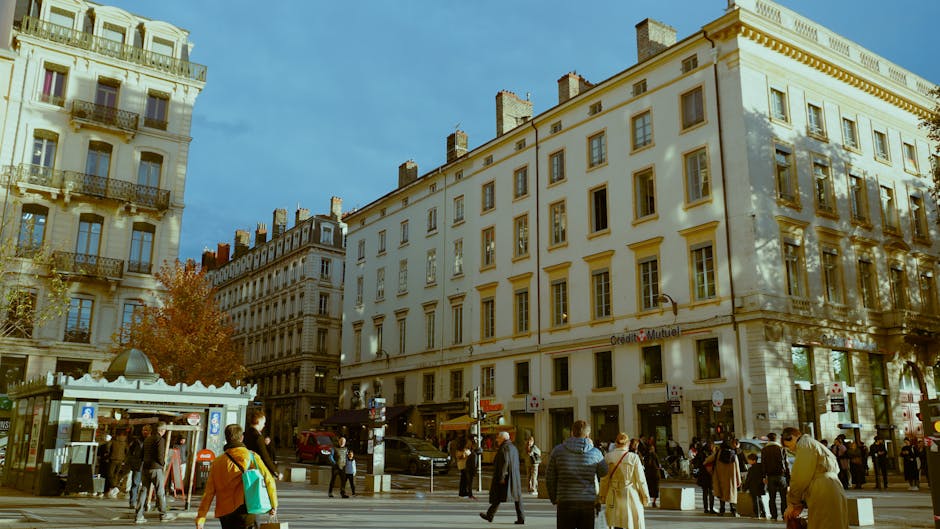
4) Fares, TCL subscriptions, intermodal tips and local advice
Understanding TCL fares is key to making the most of your stay. The prices below correspond to common offers:
- Single ticket (t+ valid 1 hour): €1.90 (valid 60 minutes with unlimited transfers within that time).
- Book of 10 tickets: €16.90 (about €1.69 per trip).
- 24-hour pass: €6.20 (unlimited travel on the entire TCL network for 24 hours from first validation).
- 72-hour pass: €14.50 (unlimited travel for 72 consecutive hours).
- Monthly subscription (price varies by zones and profile): variable; reduced subscriptions for students and job seekers via the OùRA! card or TCL subscription schemes.
These amounts are indicative and could be affected by commercial promotions or combined Vélo’v/TCL offers.
Intermodal tips:
- Combine Vélo’v and the metro for the last kilometers: pick up a Vélo’v at Gare Part-Dieu (Place Charles Béraudier, 69003 Lyon) to ride directly to an office or hotel near a park.
- Use the tram–metro interchange at Part-Dieu to avoid crowded walks through the center (Gare Part-Dieu — Vivier Merle, Place Georges Pompidou, 69003 Lyon).
- In the evenings, favor trams and extended metro lines during events (Fête des Lumières in December): check the TCL website and special timetables (usually published 2–3 weeks before the event).
Practical local advice:
- If you’re traveling with luggage, avoid Bellecour at peak times: prefer Perrache or Cordeliers depending on your destination, as Bellecour can get very crowded.
- To reach the Basilica of Notre-Dame de Fourvière (8 Place de Fourvière, 69005 Lyon) from Vieux-Lyon, take the funicular (from Vieux-Lyon — Cathédrale Saint-Jean, Rue Saint-Jean, 69005 Lyon): it’s a short ride — the steep climb on foot is not recommended in heavy rain or extreme heat.
- If you prefer walking, the Rhône quays (Quai Jules Courmont, 69002 Lyon) offer flat, pleasant routes, great for crossing east–west without using the underground network.
- Keep at least one external battery pack: Google Maps/TCL and the Vélo’v app are essential and drain phone batteries fast.
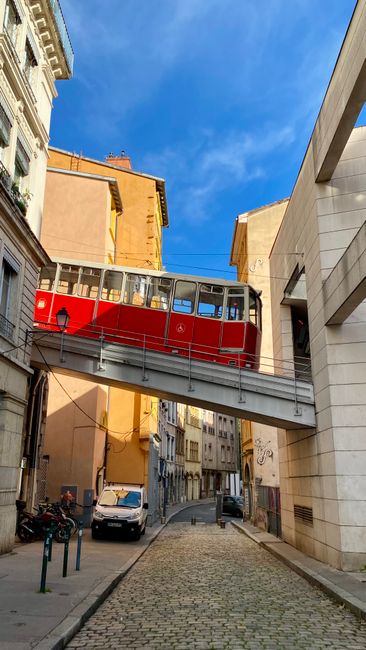
Conclusion — Plan your routes, pick the vibe and enjoy Lyon
Getting around Lyon takes a little learning but offers amazing flexibility: the metro for speed and predictability, the tram for surface-level discovery and the bike for freedom and proximity. The information in this guide — main lines, hub addresses (Gare de Lyon Part-Dieu, Place Bellecour, Place Carnot), typical fares (single ticket €1.90, 24‑hour pass €6.20, Vélo’v 24h €5.00, Vélo’v annual €39.00), general schedules (metro 05:00–00:30, tram 04:30–00:30, Vélo’v 24/7) — will help you plan your days and anticipate the atmosphere depending on the hour and the mode.
Favor intermodality: start a morning in La Croix-Rousse by bike, head to Part-Dieu by tram for a meeting, then finish the day with a stroll along the Saône before heading back down by metro. Adapt your choices to the weather: bike on sunny days, metro if it’s raining, tram to admire neighborhoods in transformation. Listen to local tips: top up your cards and apps, avoid peak hours with heavy luggage, and enjoy striking stations like Hôtel de Ville — Louis Pradel (Place de la Comédie, 69001 Lyon) for a short cultural pause.
Finally, remember the city is constantly evolving: new bike lanes, line extensions and fare adjustments can occur. Always check official sources (TCL: tcl.fr, Vélo’v via its app) before you leave for real-time schedules, bike availability and work notices. With a bit of planning, you’ll fully enjoy Lyon: its food, its quays, its traboules and its urban energy — all easily reachable thanks to a transport network that’s both practical and pleasant.