



Introduction — The cultural impact of paid museums in Lyon for visitors
Lyon, a historic metropolis listed as a UNESCO World Heritage site, boasts a dense and diverse museum scene that plays a central role in visitors’ cultural experiences. The city’s paid museums—whether dedicated to fine art, science, cinema or contemporary art—do more than define Lyon’s tourist image: they shape learning pathways, aesthetic expectations and cultural consumption habits. In this introduction we briefly explore why the admission fee of these institutions has tangible, measurable effects on visitors—from accessibility to educational programming, the quality of interpretation, and even the physical atmosphere of the venues.
Paid museums often deliver ambitious temporary shows, digital installations and multilingual interpretation that justify an entry fee. In Lyon, institutions like the Musée des Confluences (86 quai Perrache, 69002 Lyon), the Museum of Fine Arts of Lyon (Musée des Beaux-Arts, 20 place des Terreaux, 69001 Lyon) or the Institut Lumière (Musée Lumière, 25 rue du Premier-Film, 69008 Lyon) offer in-depth exhibition routes and facilities (shops, cafés, auditoriums) that enrich a visit but also add cost. That cost affects the audience mix: some visitors read price as a sign of quality and are happy to pay for a richer experience, while others feel excluded or look for free alternatives like heritage walks in Vieux Lyon or outdoor exhibitions.
Beyond the individual experience, admission fees shape the relationship between a museum and the city. ticket revenue helps fund temporary exhibitions, preserve collections, design displays and pay cultural mediators. For visitors, this often translates into better-documented shows, interactive routes and public events—but also into professionalized use of the space (bookings, time slots, access controls). These features change how people encounter works, how they spend time in galleries and how they share the visit (controlled photo policies, interaction zones, children’s workshops).
Finally, the cultural impact of paid museums is not just economic: it touches on tourism pedagogy (gaining targeted knowledge), socialization (meeting others around an exhibition) and the creation of local narratives (who tells Lyon’s story and how). In this guide we list the main paid museums in Lyon with addresses, prices and opening times, analyze effects on visitors and society, and give practical tips to make the most of a visit without surprises.
1) Major paid museums in Lyon: addresses, prices, opening hours and detailed descriptions
Understanding cultural impact starts with knowing the places. Here’s a selection of Lyon’s most influential paid museums, with addresses, indicative prices and opening hours at the time of writing. Rates can vary with temporary shows; it’s wise to check official sites before you go.
-
Musée des Beaux-Arts de Lyon (Museum of Fine Arts of Lyon)
Address: 20 place des Terreaux, 69001 Lyon.
Prices: full price around €8.00, reduced €5.00 (students, jobseekers, groups). Free on the first Sunday of the month for permanent collections (check calendar to confirm).
Hours: Tuesday–Sunday 10:00–18:00, closed Monday. Possible late closures during special events.
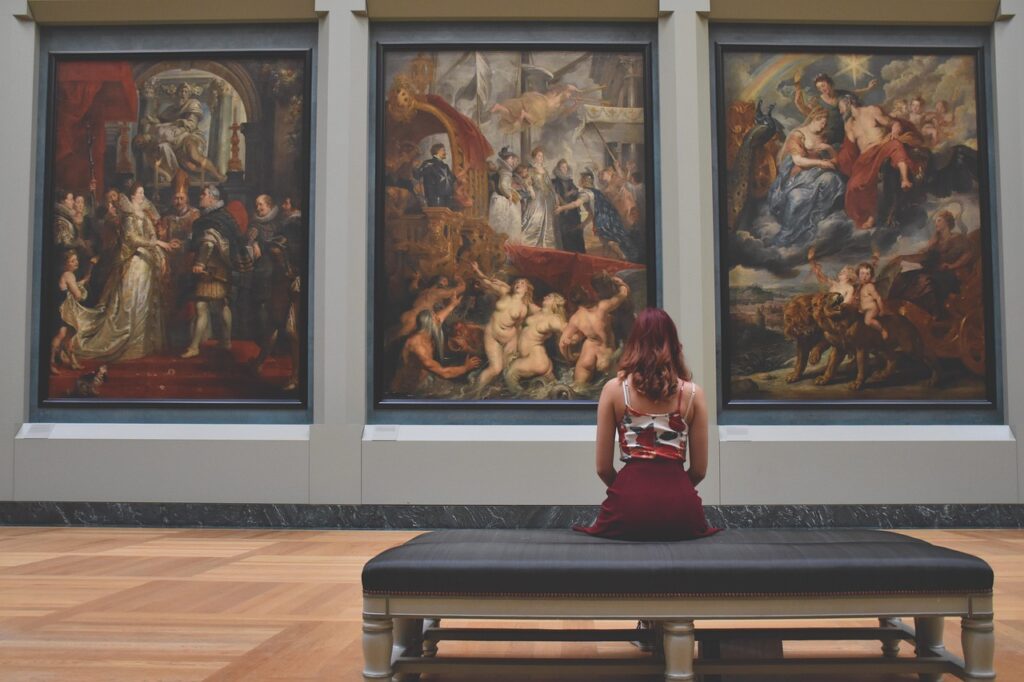
Description: housed in the former Bernardine convent (an historic town hall building), the museum brings together paintings, sculptures and decorative arts from Antiquity to the 20th century. Galleries follow a roughly chronological progression, featuring masterpieces by Rubens, Delacroix and Egyptian collections. The atmosphere is solemn and contemplative, supported by a classical but regularly updated museography. -
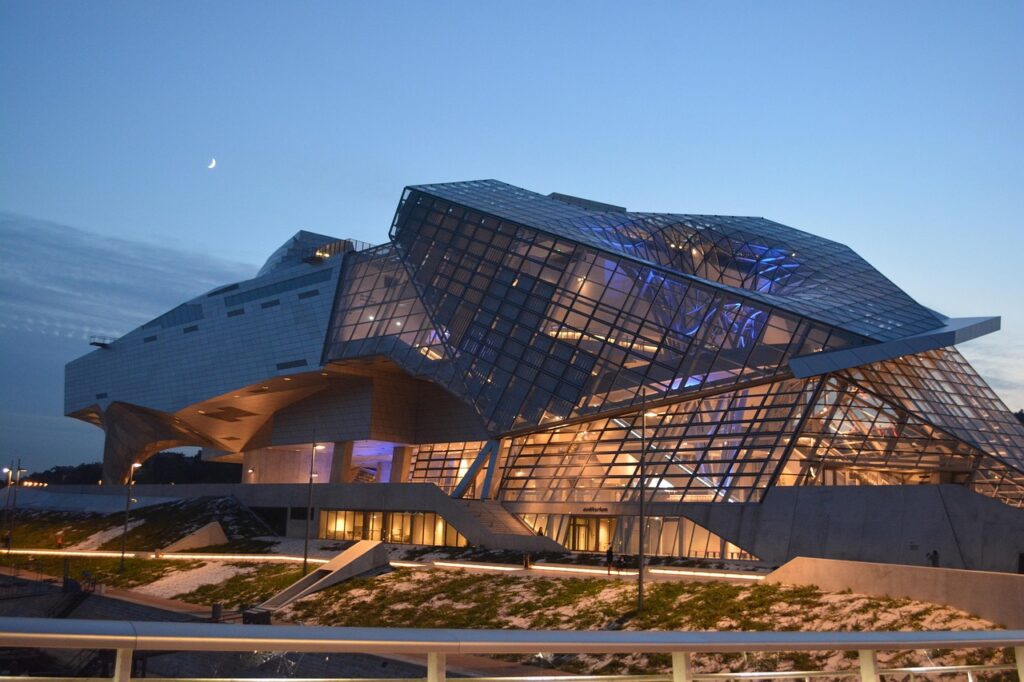
Musée des Confluences
Address: 86 quai Perrache, 69002 Lyon.
Prices: full price around €11.00, reduced €8.00, children 7–18 €6.00, free for under 7s; special rates for temporary exhibitions.
Hours: Tuesday–Sunday 10:00–18:00, closed Monday (extended opening some evenings for events).
Description: an iconic glass-and-steel building designed by Coop Himmelb(l)au, the museum covers natural sciences, societies and civilizations. The route features display cases of artifacts, multimedia installations and immersive exhibitions that tackle major contemporary issues—climate, biodiversity, migration. The experience is didactic, interactive and often spectacular. -
Musée Gadagne — Lyon History Museum & World Puppet Museum
Address: 1 place du Petit Collège, 69005 Lyon (Vieux Lyon).
Prices: combined visit around €8.00–€10.00, reduced €5.00–€7.00; free admission for certain groups.
Hours: Tuesday–Sunday 10:00–18:00, closed Monday; extended hours during the Fête des Lumières.
Description: set in two Renaissance townhouses, the museum tells the urban and popular history of Lyon, complemented by an outstanding puppet collection (with Guignol front and center). The immersion into Vieux Lyon and the building itself are a big part of the experience. -
Musée Lumière
Address: 25 rue du Premier-Film, 69008 Lyon (Institut Lumière).
Prices: full price around €8.00, reduced €5.00; cinema screening rates vary.
Hours: Tuesday–Sunday 11:00–18:00, closed Monday. Screenings and guided tours run according to the program (check the site for exact times).
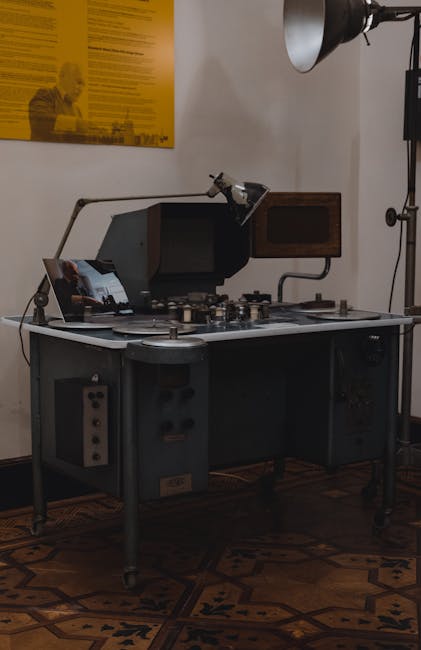
Description: dedicated to the Lumière brothers and the history of cinema, the museum displays equipment, original films and reconstructions of the family studio. The atmosphere is intimate, technical and fascinating for film history enthusiasts. -
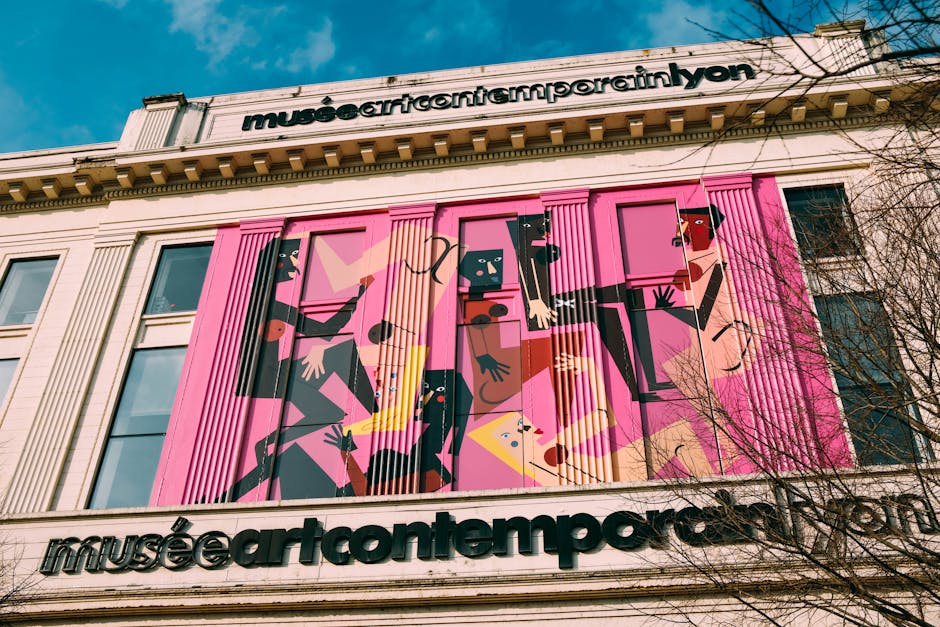
Musée d’Art Contemporain de Lyon (MAC Lyon)
Address: 81 quai Charles de Gaulle, 69006 Lyon (on the Rhône).
Prices: full price around €8.00–€9.00, reduced €5.00. Free for under-18s depending on the exhibition.
Hours: Wednesday–Sunday 11:00–18:00, closed Monday and Tuesday.
Description: the MAC stages contemporary temporary exhibitions, performances and workshops. The space feels experimental, encouraging reflection and discussion between visitors and mediators. -
Musée des Tissus et des Arts Décoratifs de Lyon (Textile and Decorative Arts Museum)
Address: 34 rue de la Charité, 69002 Lyon (Presqu’île area).
Prices: full price around €7.00–€9.00, reduced €5.00. Temporary exhibitions may affect pricing.
Hours: Tuesday–Sunday 10:00–18:00, closed Monday. Check the schedule for special exhibition calendars.
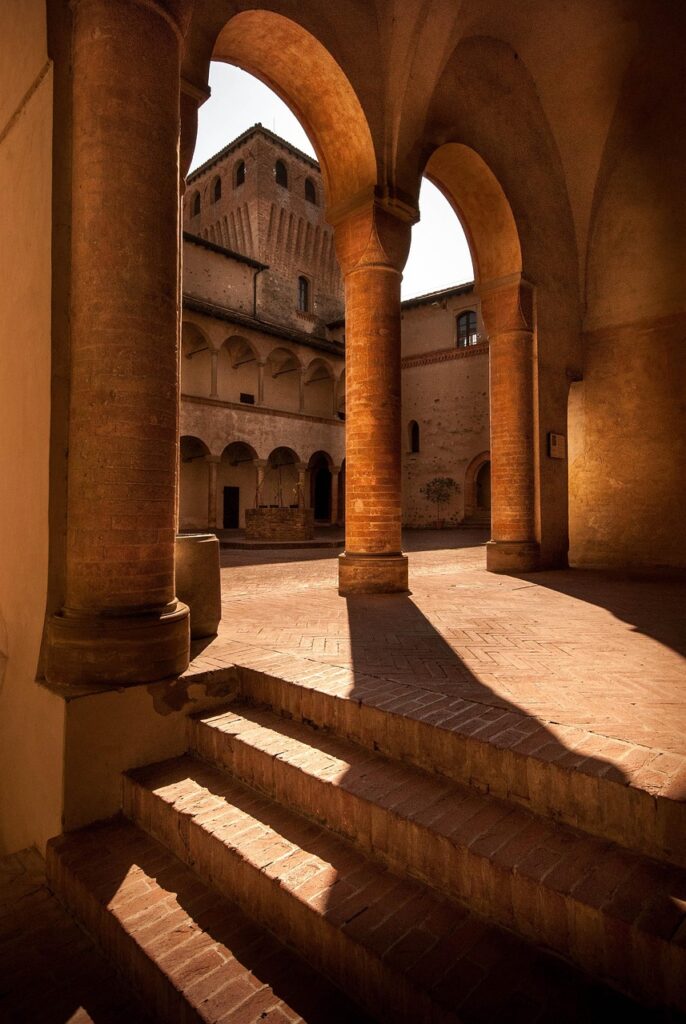
Description: with a rich collection tied to Lyon’s textile history, this museum displays fabrics, patterns, looms and scenographies on industry and design. The experience is tactile (when permitted) and highly visual—ideal for design lovers.
2) Cultural effects on visitors: learning, perception and experience
Paid museums profoundly change how visitors learn about and perceive local culture. For many, buying a ticket is a form of commitment: the financial exchange creates an expectation of quality, interpretation and exclusivity that alters visitor behavior. In a museum like the Museum of Fine Arts (Musée des Beaux-Arts de Lyon, 20 place des Terreaux), visitors expect a deep historical route and access to detailed labels, audio guides or paid guided tours. These tools encourage active learning—the visitor is no longer just a spectator but becomes an interpreter of objects and stories.
At the Musée des Confluences (86 quai Perrache), immersive scenography and multimedia setups often require a different kind of focus compared with outdoor walks. Visitors move out of a detached tourist mode and into a paced discovery rhythm: themed rooms, explanatory videos, interactive terminals. This type of interpretation is especially effective for school groups and international audiences because content is organized and contextualized, making complex concepts accessible (biodiversity, archaeology, social sciences).
That said, the admission price has implications for audience diversity. Fees can screen out occasional or economically vulnerable visitors, limiting cultural democratization. Lyon’s paid museums try to soften this effect with free days, reduced rates and partnerships with municipalities or educational institutions. Also, perceived « value » isn’t strictly monetary: many associate a ticket with a memorable experience (temporary exhibitions, night events, guided tours). Thus the price can become a social marker that boosts a museum’s reputation while also creating distance.
Another consequence: the use of paid technologies and services (audio guides, foreign-language guided tours, hands-on workshops) enriches the visit but also shifts the center of the experience toward complementary services. The Musée Lumière (25 rue du Premier-Film) offers screenings and workshops that require reservations and extra fees. For visitors this creates a multi-activity route that turns a simple stop into a structured half-day cultural program.
3) Social and economic consequences: inclusion, tourism and local identity
Paid museums make a major contribution to the local cultural economy: ticket income, jobs (mediators, curators, technicians), vendors for scenography, and secondary revenue (shops, cafés). In Lyon, these revenues help maintain collections and fund high-level temporary exhibitions that draw national and international visitors. The Musée des Confluences and the Museum of Fine Arts act as magnets that energize neighborhoods (Presqu’île, Confluence), supporting hotels, restaurants and transport.
However, this economic dynamic sometimes brings tensions: rising prices for services around museums, neighborhoods transforming into tourist hotspots, and the risk of « museification » of urban space where everyday life is reshaped to accommodate visitor flows. Local residents may feel disconnected if museum programming isn’t inclusive or accessible. Lyon, through municipal initiatives and measures like the Lyon City Card or social mediation programs, works to balance these effects by offering social pricing, free school workshops and free late openings during cultural events.
Artistically, paid museums help construct a cultural identity: the way collections are presented steers the narratives about Lyon’s history (textile industry at the Textile Museum, cinema at the Musée Lumière, classical painting at the Musée des Beaux-Arts). These narratives shape visitors’ impressions: they leave with an image of Lyon centered on its industrial, artistic and scientific heritage. Meanwhile, international temporary exhibitions help broaden the perspectives of Lyonnais and visitors alike by introducing global issues (migration, climate change, transnational artistic dialogues).
4) Practical tips for visitors: making the most of Lyon’s paid museums
Visiting Lyon’s paid museums takes a bit of planning to maximize the experience while keeping costs under control. Here are concrete, local and practical tips:
- Book online: many museums (Musée des Confluences, Museum of Fine Arts, Musée Lumière) offer timed reservations on their official sites. That avoids lines and guarantees entry to temporary exhibitions. E-tickets sometimes come with small discounts.
- Check opening times: most museums are closed on Mondays. For example, the Museum of Fine Arts (20 place des Terreaux) and Musée des Confluences (86 quai Perrache) are generally open Tuesday–Sunday 10:00–18:00. For MAC Lyon (81 quai Charles de Gaulle), prefer Wednesday–Sunday 11:00–18:00. Look out for special hours during holidays or the Fête des Lumières.
- Take advantage of reduced rates and free entry: students, under-26s, teachers and jobseekers often get reductions. Many museums offer free entry for under-7s. Check for open days and the first Sunday of the month when applicable.
- Group visits by neighborhood: plan museums by area. The Museum of Fine Arts (Place des Terreaux) and the MAC (Quai Charles de Gaulle) are near the center, while the Musée des Confluences sits at the southern tip of the Presqu’île. Use the metro (lines A and D), trams and TCL to save time.
- Book complementary experiences: reserve a workshop or screening at the Musée Lumière if you’re into cinema; take an audio guide at the Musée des Confluences for a denser route; check the Textile Museum shop for souvenirs tied to Lyon’s know-how.
- Local tips: arrive early to avoid crowds, bring a water bottle (museums often allow coffee breaks), and plan 1.5–3 hours per museum depending on size. For lunch, scout the museum cafés (Musée des Confluences Café Musée, Musée des Beaux-Arts café on Place des Terreaux) or try nearby bouchons for an authentic gastronomic break.
- Respect and photography: some museums limit indoor photography or prohibit images of certain works. Follow the rules and favor active discovery over constant picture-taking.
Conclusion — Paid museums in Lyon: cultural openness vs. accessibility challenges
Paid museums in Lyon are a powerful cultural lever: they structure the tourist offer, fund conservation and research, provide educational programming and animate urban life with high-quality exhibitions. For visitors, buying a ticket often delivers real enrichment—access to remarkable collections (Museum of Fine Arts), immersive experiences (Musée des Confluences), technical histories (Musée Lumière) and local discoveries (Textile Museum, Musée Gadagne). These experiences contribute to a collective memory and offer multiple narratives about Lyon’s identity.
However, the positive cultural impact is balanced by accessibility and inclusion challenges. Admission costs can exclude vulnerable groups if social offers and free options are insufficient. Lyon’s museums are aware of these issues and are developing pricing policies, educational workshops and partnerships to reduce the cultural divide. For visitors, an informed approach (booking, using discounts, choosing times wisely) helps get the most out of a visit while minimizing expense.
Ultimately, paid museums in Lyon undeniably enrich the tourist and educational experience and help make the city a dynamic cultural hub. Their continued success will depend on balancing curatorial excellence with social openness: bringing more people through the doors, diversifying access methods and multiplying inclusive interpretation. For visitors, Lyon offers a broad palette—plan ahead, be prepared, and let the dialogue between collections and the city turn your visit into a truly meaningful cultural experience.