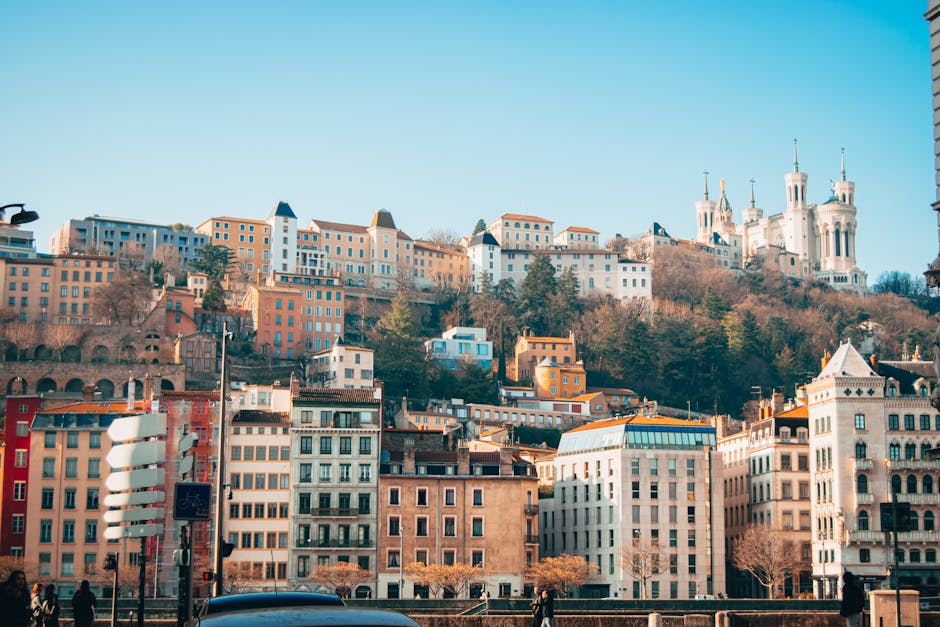






Introduction: dive into the history and spirit of the Gadagne Museum in Lyon
The Gadagne Museum, tucked into the heart of Vieux Lyon, is one of the city’s most iconic cultural sites. Housed in a stunning pair of Renaissance townhouses, the museum hosts two distinct yet complementary institutions: the Lyon History Museum and the Museum of World Puppets. Both sit at 1 Place du Petit Collège, 69005 Lyon, offering visitors a historical and artistic immersion that traces the city’s story from Antiquity to the present day while revealing lively, often little-known performance traditions.
If you’re into urban history, the Lyon History Museum’s collections map the city’s evolution through objects, scale models, paintings and archives. The displays are designed to tell human stories: commerce, gastronomy, architecture, epidemics, industrial revolutions and urban changes that shaped France’s second city. Beside it, the Museum of World Puppets showcases a surprising array of puppets — Guignol figures, string puppets, glove puppets and theatrical dolls — from Europe, Asia, Africa and Latin America. These items aren’t mere curiosities: they reflect social, ritual and artistic practices that still animate local scenes.
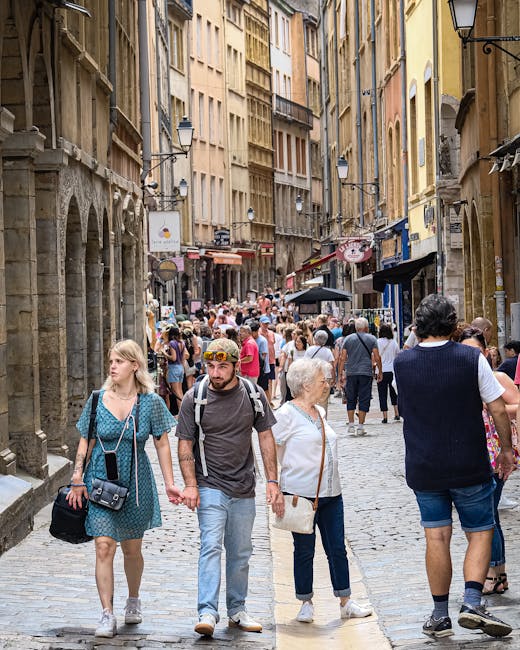
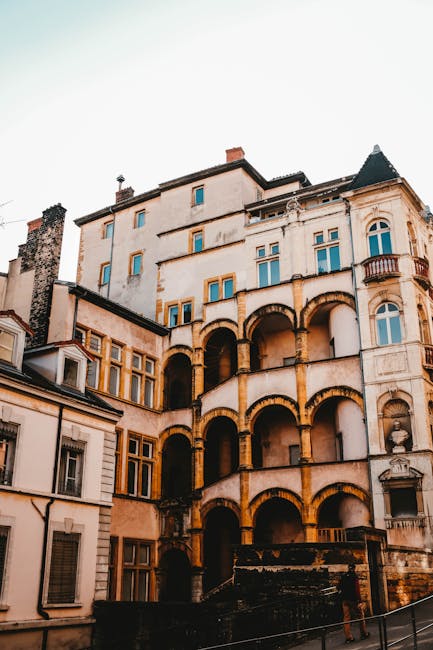
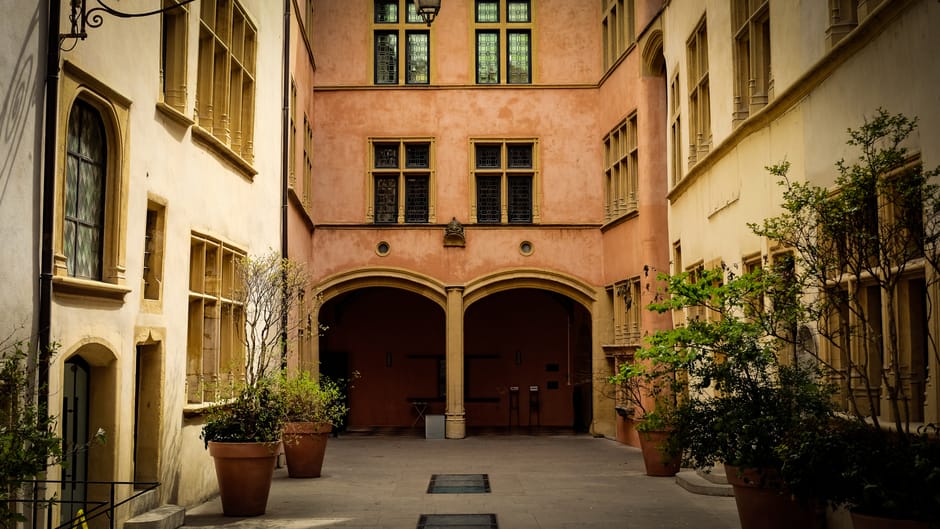
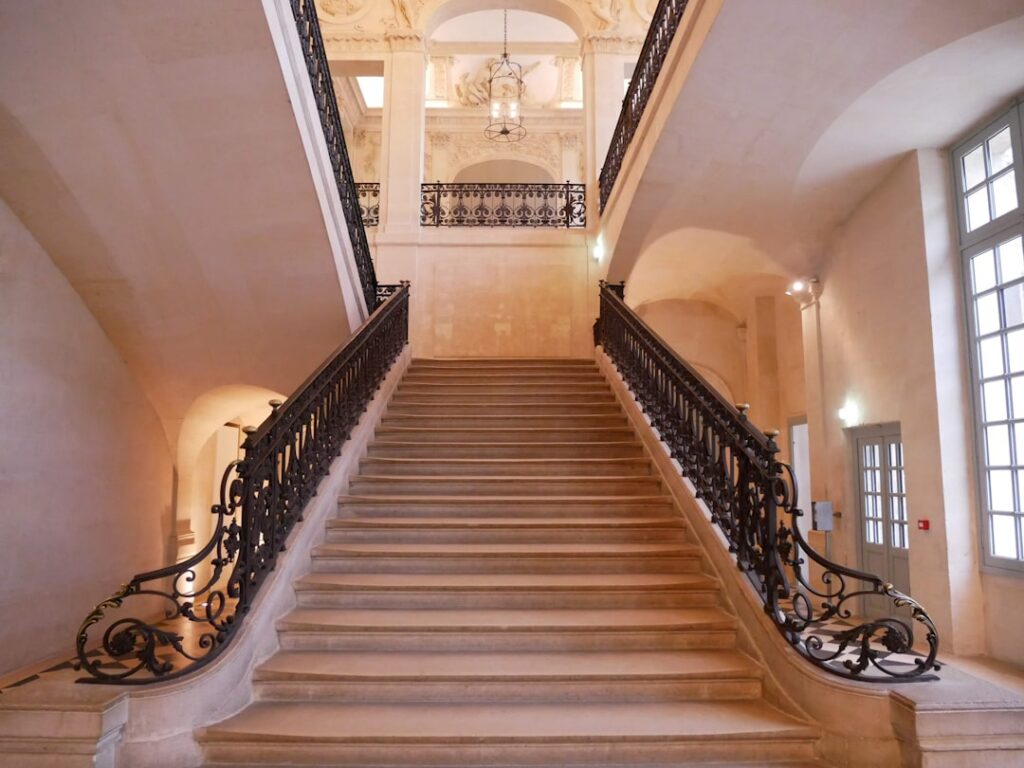
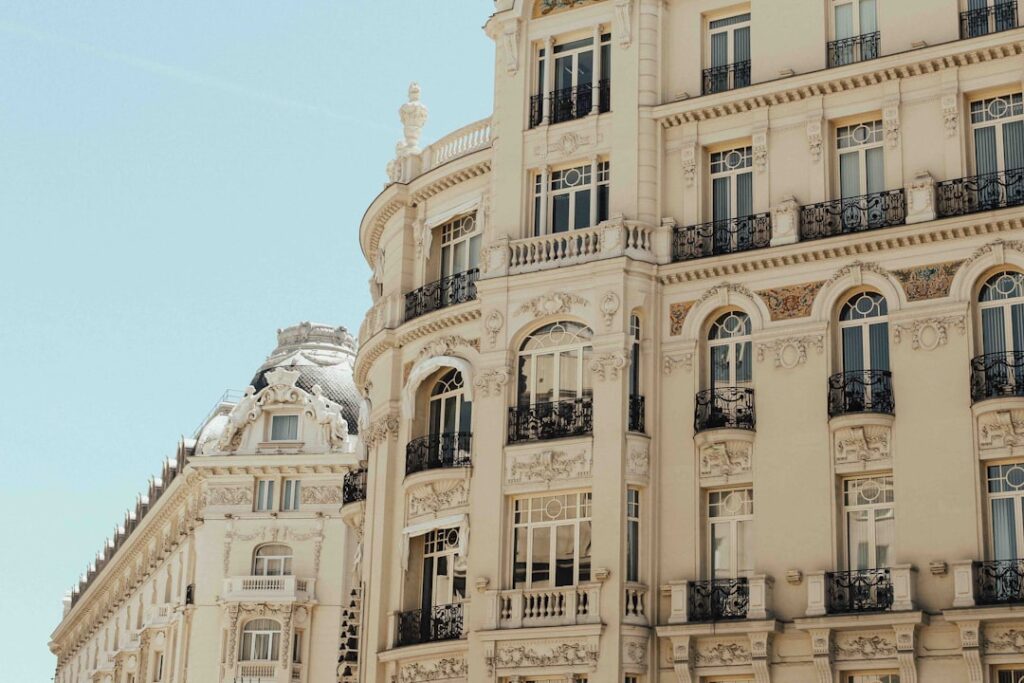
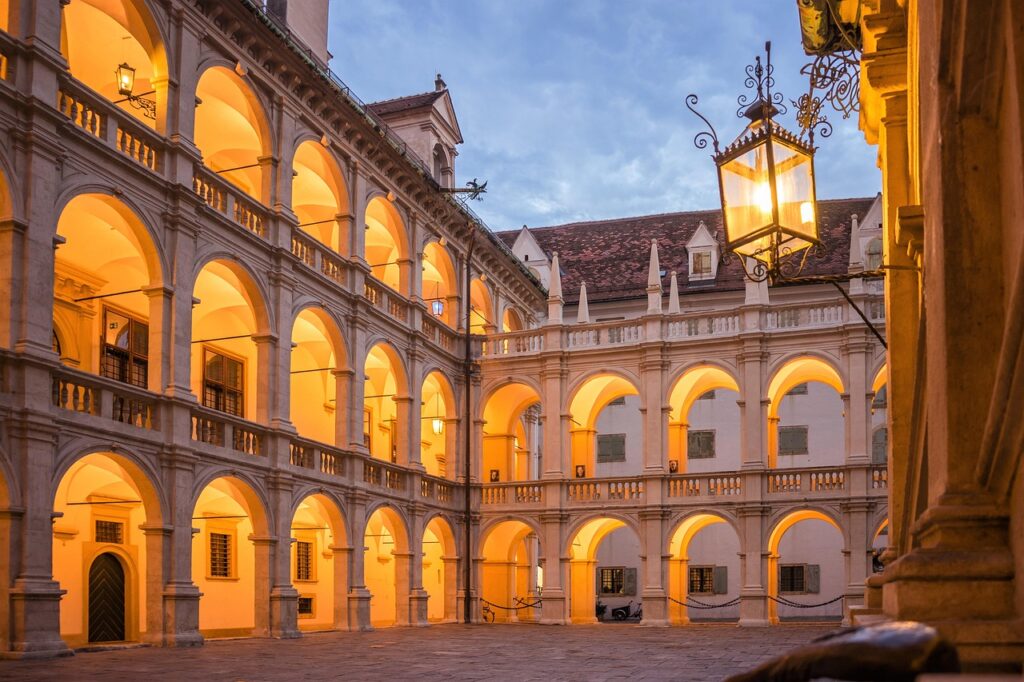
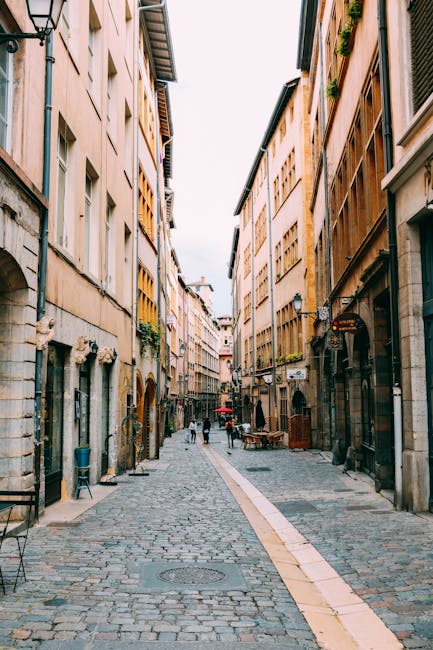
Visiting the Gadagne Museum also means enjoying the extraordinary setting of the neighborhood: Vieux Lyon, a UNESCO World Heritage area, with its traboules (hidden passageways), inner courtyards, colorful facades and cobbled lanes. The building itself — commonly called Hôtel Gadagne — is an architectural masterpiece. Built from the 16th century and carefully restored, it features spiral staircases, decorated courtyards and views over the Saône that make the visit highly photogenic.
This professional, detailed guide aims to give you everything you need to prepare your visit: opening hours, current prices, exact addresses, descriptions of the main rooms and collections, tips to make the most of your time (best times to go, guided visit options, accessibility), plus local recommendations to extend the cultural experience (cafés, bookshops, nearby walks). Whether you’re a one-time visitor, a history buff, a parent looking to spark kids’ curiosity or a cultural professional, this guide will help you get the most out of your stop at the Gadagne Museum in Lyon.
Building history and the origins of the collections
The Gadagne Museum occupies Hôtel Gadagne, a complex of two Renaissance townhouses — one built for the Gadagne (or Guadagni), a wealthy Florentine family, and the other for the Tournebize family. The full address is: Gadagne Museum, 1 Place du Petit Collège, 69005 Lyon, France. The structure dates mainly from the 16th century and has undergone many changes over time: interior alterations, subdivision into apartments, and finally rescue and restoration in the 20th century to become a public memory institution.
The site’s museal purpose was formalized in the 20th century, when the city of Lyon began assembling collections documenting municipal history as well as items related to popular arts and local performing traditions — notably the Guignol puppets, a symbol of Lyon’s identity. The museography was designed to tell a dual story: that of the city and that of puppetry arts. This led to the coexistence of the Lyon History Museum and the Museum of World Puppets within the same building.
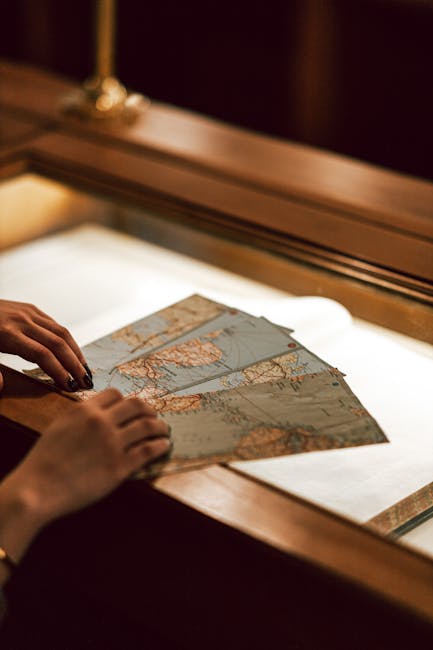
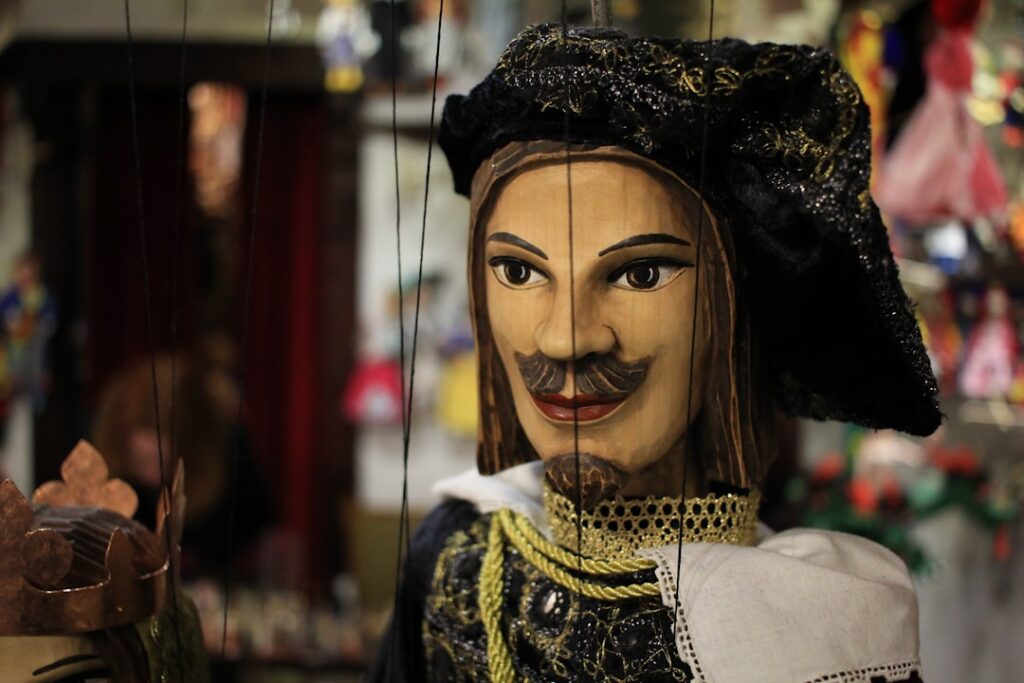
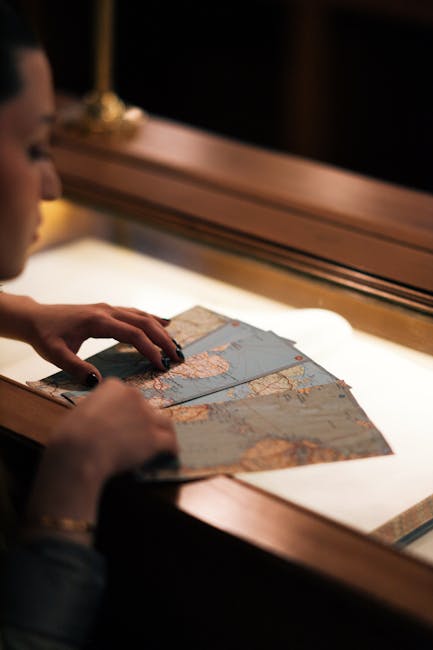
The historical collections include old maps, urban models, everyday objects (tools, utensils, clothing), iconographic archives, portraits of local figures and administrative documents. These items help explain economic dynamics (markets, river trade on the Saône and Rhône), demographic shifts and periods of crisis (epidemics, fires) and prosperity. On the puppetry side, the collections stand out for their geographic and technical diversity: carved wooden puppets, richly embroidered fabrics, string mechanisms, portable stages and theatrical costumes.
The museography has been regularly updated to make these stories accessible and engaging. Multimedia setups, interactive models and staged reconstructions now complement traditional displays. Young visitors benefit from educational workshops and regular activities, including Guignol shows and manipulation demonstrations. The building itself, by virtue of its history, becomes a study object: visitors can spot original architectural elements (timber framing, Renaissance fireplaces, staircases) that witness the luxury and craftsmanship of the era.
Major collections and standout pieces: a detailed tour
The Gadagne Museum offers two distinct but complementary routes that enrich each other. Below is a detailed description of the main sections and the must-see highlights during your visit.
- Lyon History Museum: this area traces the city’s development from Antiquity onward. Key objects include scale models of Île Barbe and the Croix-Rousse district, historic plans of Lyon, iconographic collections (paintings and engravings) illustrating urban planning, and items linked to medicine, trade and the textile industry that shaped the city.
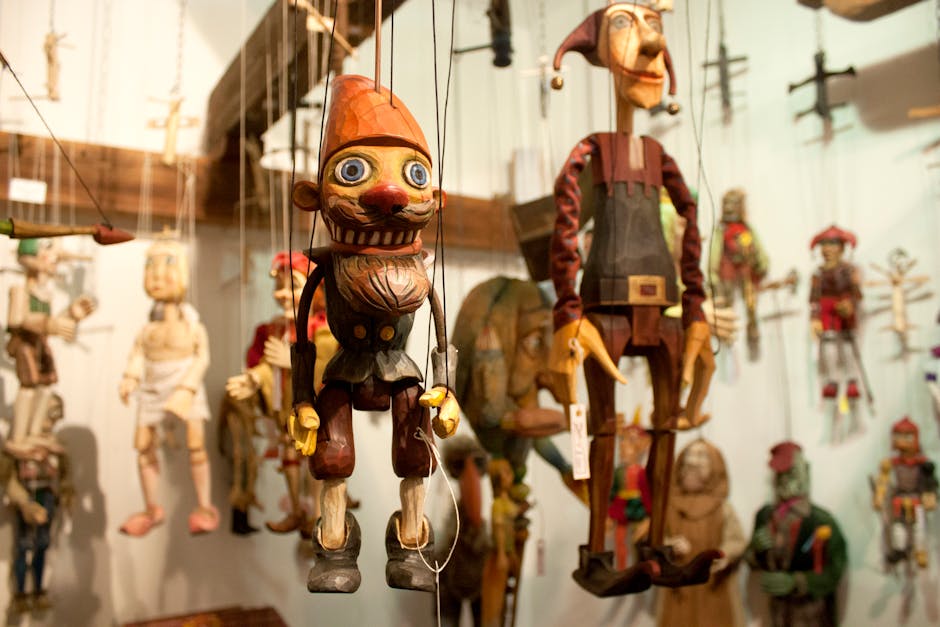
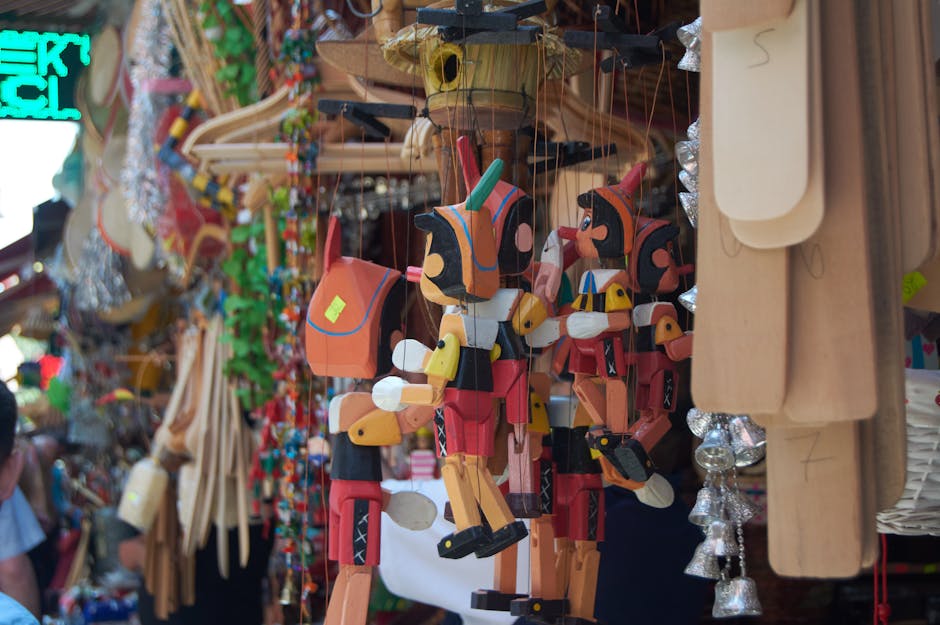
- Museum of World Puppets: here you’ll find historical Guignol puppets (19th century), an exceptional collection of Central European string puppets, Italian marottes and figures from India and Africa used in rituals or popular performances.
Among the standout pieces are:
- A set of original Guignol puppets, costumes and accessories from the 19th century, illustrating Guignol’s importance in Lyon’s popular culture.
- A highly detailed model of 18th-century Lyon, offering an immediate sense of the city’s historical layout.
- Rare municipal archives: registers, posters and reconstruction plans following major fires.
- Asian string puppets dressed in traditional costumes and presented in staged displays that explain manipulation techniques.
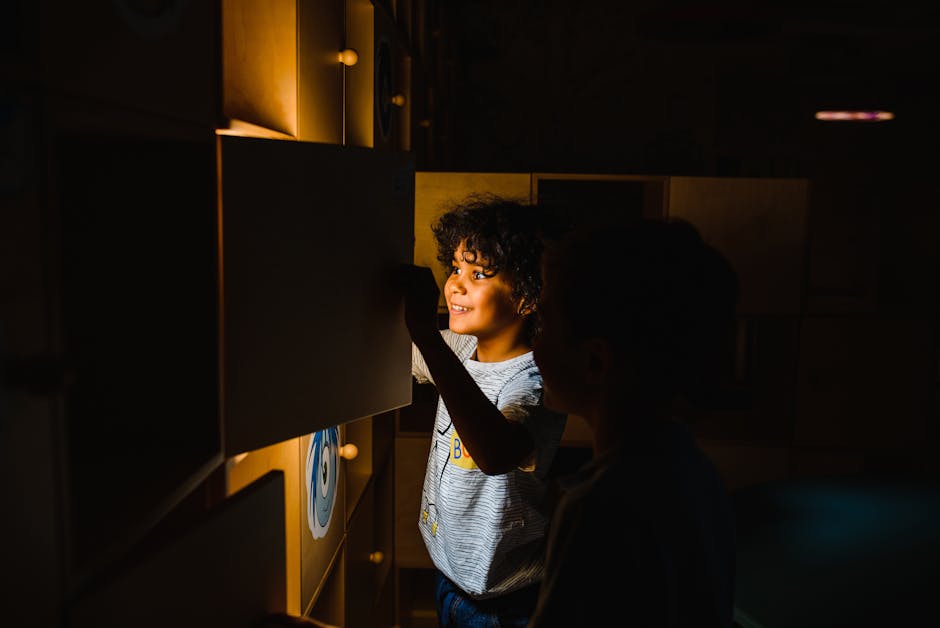
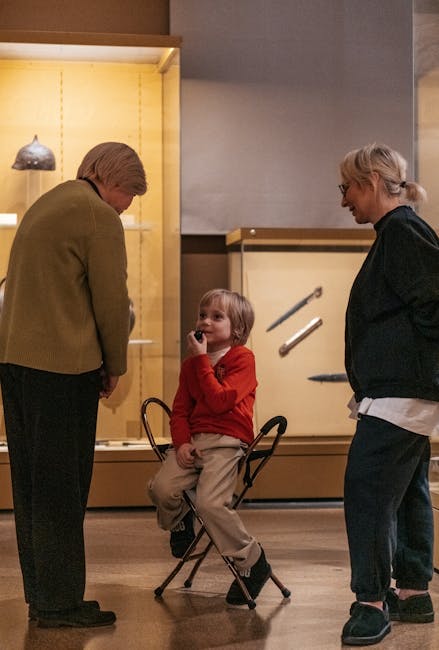
Exhibition design plays a central role: each section offers a chronological and thematic reading, often punctuated by soundscapes and explanatory videos. Child-focused areas are especially interactive: tactile stations, small stages to try puppetry and activity booklets available at reception. For enthusiasts, the museum’s library and archives provide valuable resources on local history and performance traditions.
When you visit, pay close attention to the building’s architectural details — decorated fireplaces, staircases and mullioned windows — which form an open-air collection. These elements showcase Renaissance craftsmanship and enrich the historical narrative told by the museum’s interior holdings.
Practical information: access, opening hours, prices and visiting tips
Planning your visit to the Gadagne Museum means knowing the essentials. Here’s a practical, clear summary to organize your trip without surprises.
- Address: Gadagne Museum, 1 Place du Petit Collège, 69005 Lyon, France.
- Getting there: The museum is located in Vieux Lyon. Transport options: Metro line D – station Vieux-Lyon – Cathédrale Saint-Jean (about a 5-minute walk); Bus C3, C14 stop Vieux Lyon. Parking: paid car parks nearby, such as Parking Indigo Vieux Lyon (30 Rue de la Charité) or riverside parking on the opposite bank.
- Opening hours: open Tuesday to Sunday, 10:00–18:00. Closed on Mondays and on the following public holidays: January 1, May 1 and December 25. Last admissions are generally accepted 30 minutes before closing.
- Prices (indicative): full-price ticket for both museums: €8.00; reduced price: €5.00 (students, seniors, jobseekers, groups with proof); free for children and young people under 18; free entry on the first Sunday of each month (check for specific conditions). Audio guide: around €2.50 extra. Children’s workshops and shows: variable (from €3 to €8 depending on the activity).
Tips to optimize your visit:
- Favor weekday mornings (10:00–12:30) to avoid crowds, especially in high season (April–September) and during school holidays. Vieux Lyon gets very busy in the afternoons.
- Book tickets online on the official site to save time, especially if you want to attend a puppet workshop or a themed guided tour (limited places).
- Bring an ID if you plan to claim a reduced rate; keep student cards, culture cards or disability cards handy for free or reduced access.
- A full visit of both museums and the building’s spaces can take between 1.5 and 3 hours depending on your pace; allow at least 2 hours for a relaxed discovery.
- Check accessibility: some historic parts of the building have narrow staircases; alternative routes are available but full accessibility may be limited for visitors with reduced mobility. Contact the museum in advance to arrange an adapted visit.
Additional practical information:
- Museum shop: sells books, prints, handcrafted toys and souvenirs linked to puppetry and Lyon’s history (shop hours match museum hours).
- Restrooms: located inside and accessible during opening hours.
- Photography: non-flash photography for personal use is generally allowed; flash or commercial photography requires authorization.
- Food and drink: there’s no on-site restaurant, but many cafés and traditional bouchons are within easy walking distance — see the “Around the museum” section for recommendations.
Concise guided visit: a precise 2-hour itinerary
Here’s a practical, concise guided itinerary designed to last about 2 hours, letting you see the essentials without rushing. The route alternates between historical highlights and marionette delights.
Recommended itinerary (total duration ≈ 2 hours):
- Reception and tickets (10 minutes): start at the ticket desk by the main entrance (Place du Petit Collège). Pick up a museum map, an activity booklet if you’re visiting with kids, and ask about the day’s mini-shows or events. If you booked online, show your confirmation to speed things up.
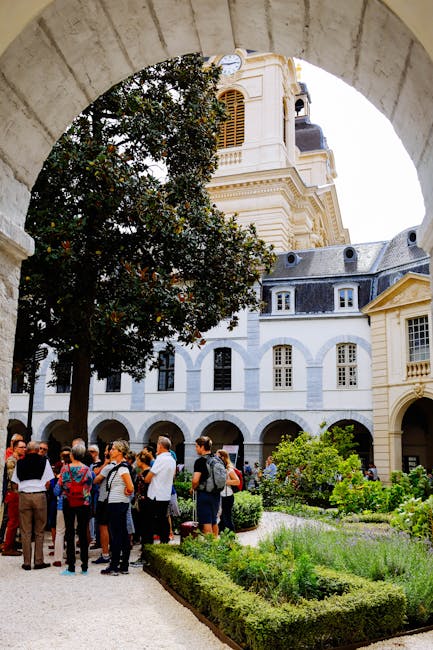
- Introductory section: the building’s history (15 minutes): explore the Renaissance courtyard, facades and the room that explains Hôtel Gadagne’s history. These first moments set the scene for the collections.
- Lyon History Museum (40–50 minutes): walk through the rooms devoted to Antiquity (Gallo-Roman remains), trades and industry (textiles, silk), then modern urban transformations. Don’t miss the city model and the series of engravings showing urban development. Take time to watch video clips and examine the displayed archives.
- Short break (5–10 minutes): refreshments at the shop or a quick photo in the courtyard if time permits.
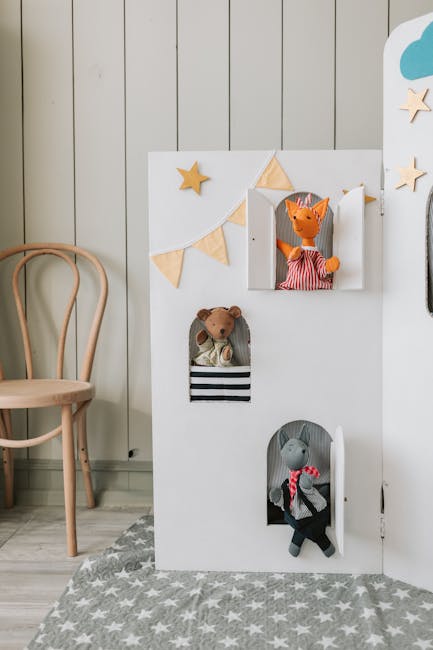
- Museum of World Puppets (30–35 minutes): move into the theatrical realm. Start with the Guignol gallery, then explore string and glove puppets, and finish with pieces from beyond Europe (Asia, Africa, Latin America). Look closely at construction details: seams, carving and mechanisms.
- Wrap-up and tips (5–10 minutes): finish in the multimedia area to watch a short documentary about Guignol and puppeteering. Stop by the shop to pick up a souvenir — a miniature puppet, a book on Lyon’s history or a postcard.
Tips for the guided visit:
- If you want to dive deeper into a topic (for example Lyon’s silk industry or non-European puppetry), request a themed guided tour from the museum: these are often available by reservation, led by an expert guide, and typically last an additional 1 to 1.5 hours (prices vary).
- If you’re visiting as a group, ask about group rates and guided tour conditions (school groups, cultural associations, retirees clubs): discounts and priority time slots may be available.
- Photographers should consider a short visit to the inner courtyard when the light is softest (late morning or late afternoon) for crisp, high-contrast images.
Around the museum: extend the experience in Vieux Lyon
The Gadagne Museum is perfectly placed for a broader cultural walk around Vieux Lyon. Here are a few suggestions to extend your visit and soak in the neighborhood’s atmosphere.
Nearby walks and visits:
- Saint-Jean-Baptiste Cathedral (Saint-Jean Cathedral) – Address: Place Saint-Jean, 69005 Lyon. Two minutes on foot. A Gothic and Romanesque landmark famous for its astronomical clock. Entry to the choir is free; guided tours may have a fee.
- Vieux Lyon traboules – Wander the alleyways and hidden passageways connecting streets like Rue du Bœuf and Rue Saint-Jean. These medieval passages open onto inner courtyards and concealed staircases. Tip: bring a map or follow a local guide to locate the most interesting ones.
- Musée des Beaux-Arts de Lyon – Address: 20 Place des Terreaux, 69001 Lyon. About a 15–20 minute walk or a short metro ride from Vieux Lyon. A major collection of European art; admission fees apply.
Food and drink:
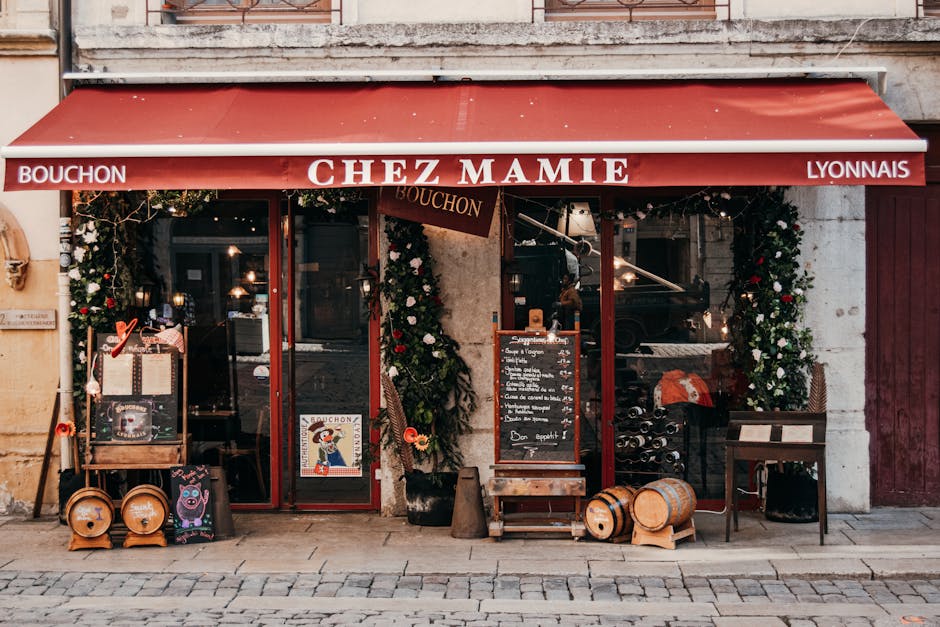
- Try lunch at a traditional bouchon: Bouchon Chez Savy (address: 2 Rue du Bœuf, 69005 Lyon) or Le Bouchon des Filles (address: 20 Rue Sergent Blandan, 69001 Lyon — check opening times). Bouchons serve local specialties: quenelle, tablier de sapeur, grattons and praline tart. Typical meal cost: €15–€30 per person depending on choices.
- Cafés and tea rooms nearby: Café de la Place du Petit Collège (a small local café) and specialist bookshops focused on local history and puppetry theatre.
Logistics tips:
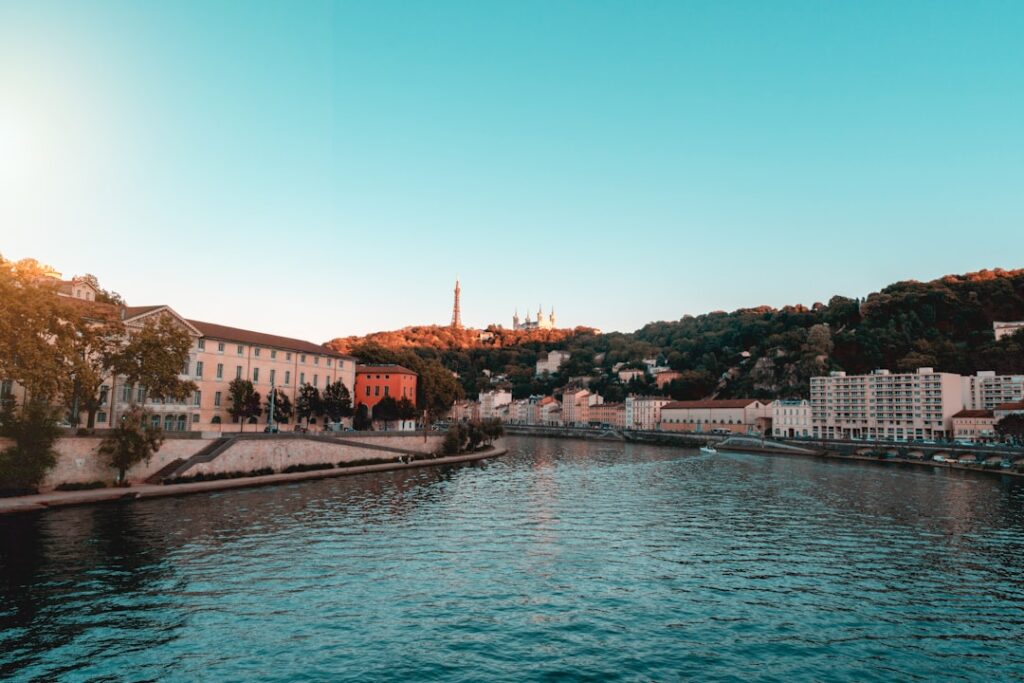
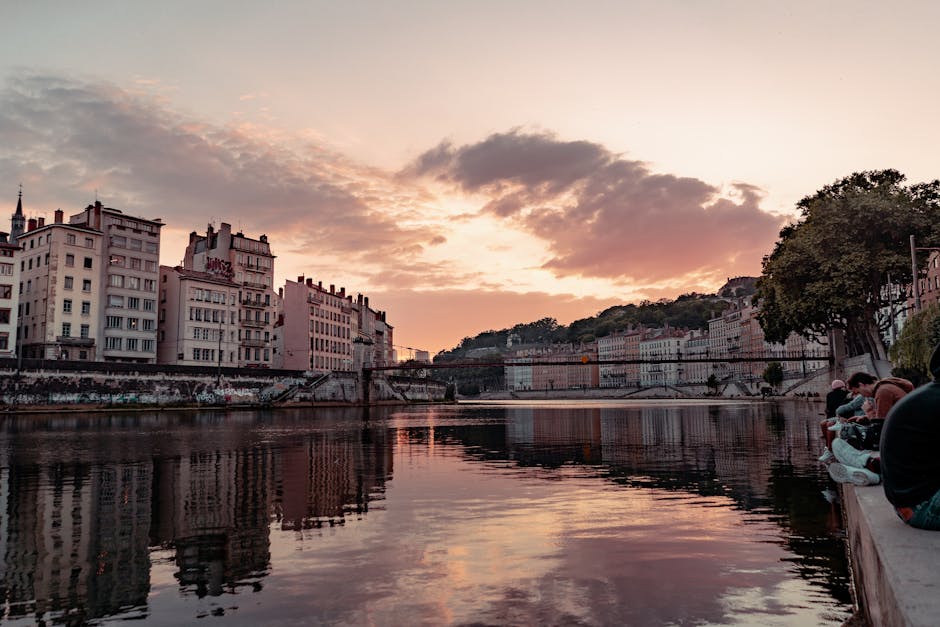
- Combine a visit to the Gadagne Museum with a walk along the Saône (right-bank quayside) for a different viewpoint of the city. The sunset panorama is particularly photogenic.
- Wear comfortable shoes: cobbled streets, staircases and traboules require stable footwear for easy walking.
- If you have more time, the Croix-Rousse district (the former canuts’ quarter) is walkable or reachable by bus and offers complementary insights into Lyon’s textile history.
Conclusion: why visit the Gadagne Museum and final recommendations
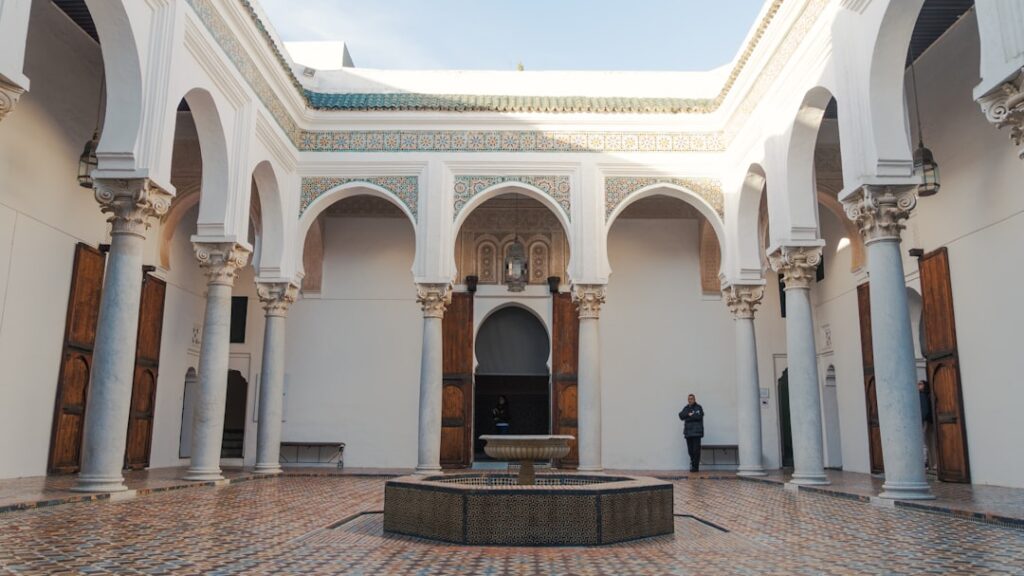
The Gadagne Museum is an essential stop for anyone wanting to understand Lyon’s deep identity. With its dual mission — telling the city’s urban history and preserving popular performing arts — it offers a rich, well-documented and visually engaging experience. The Renaissance building, its courtyards and staircases add a heritage dimension that turns the visit into a genuine walk through time.
In short, here’s why you should include the Gadagne Museum on your itinerary:
- For the quality and diversity of the collections: historical archives, models, artworks and puppets from around the world.
- For the unique atmosphere of Vieux Lyon and the Renaissance building that provide an exceptional setting.
- For family-friendly and educational activities: workshops, Guignol shows and interactive spaces for children.
- For convenience: a central address (1 Place du Petit Collège, 69005 Lyon), visitor-friendly hours (Tuesday–Sunday 10:00–18:00) and accessible prices (full price €8.00, reduced €5.00, free under 18).
Final practical recommendations:
- Check the museum’s official website for up-to-date hours and conditions before your visit, especially during temporary exhibitions or special events.
- If you’re passionate about a specific subject (puppetry, urban history, silk), contact the public services department to arrange a themed visit or archive access.
- Combine your visit with exploring Vieux Lyon, having a meal in a bouchon and strolling the Saône quays for a full and memorable day.
The Gadagne Museum awaits you for a visit that is both serious and playful: bring your questions, let yourself be surprised by puppets from around the world and savor every historical detail this 16th-century townhouse preserves. Enjoy your cultural journey in the heart of Vieux Lyon!